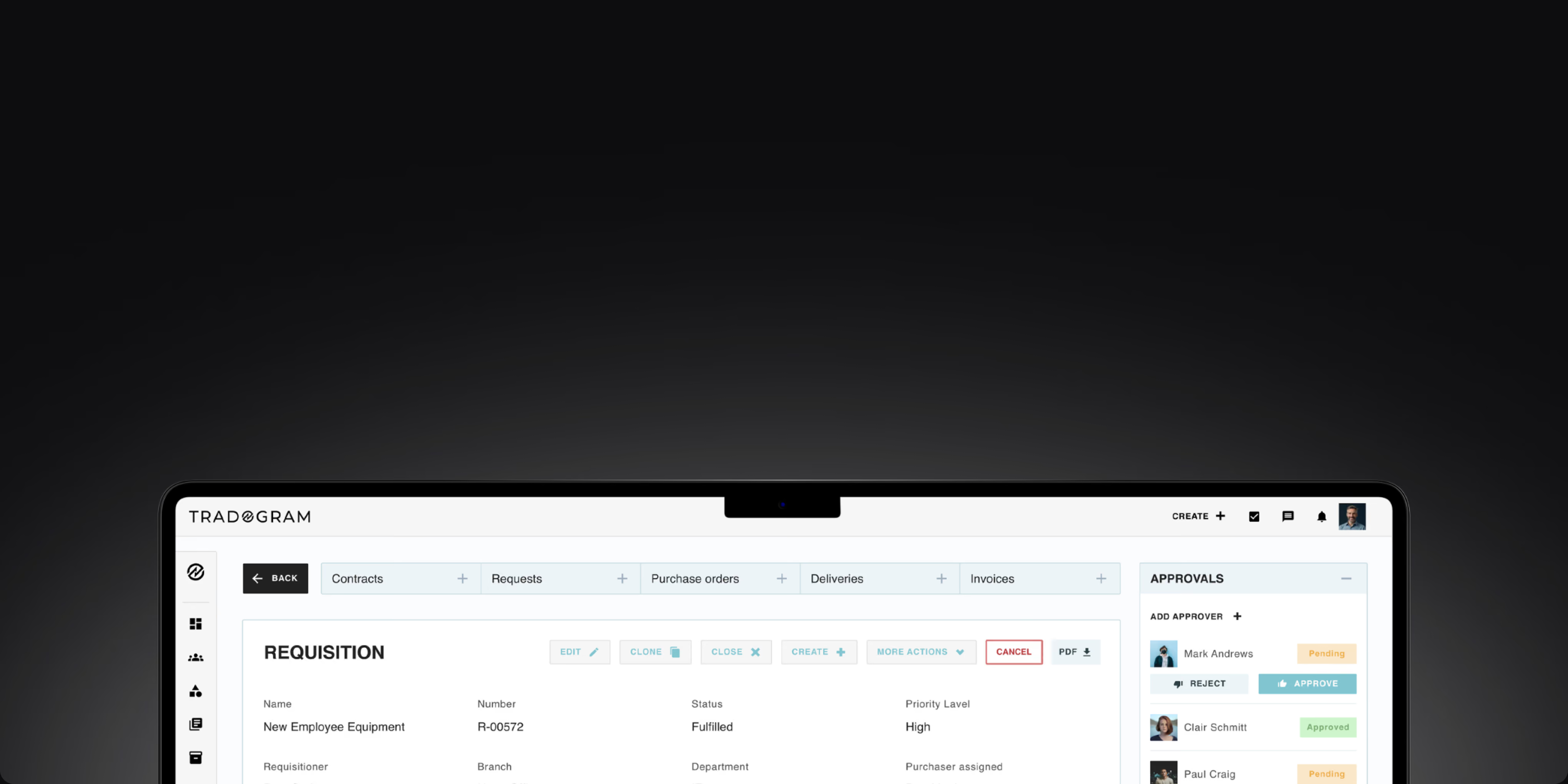
Vendor Management Software
Manage vendors without using spreadsheets
Tradogram’s vendor management software helps procurement teams onboard vendors, centralize vendor data, track performance, manage compliance documents, and keep vendor contracts connected in one place.









Vendor management
breaks down without structure
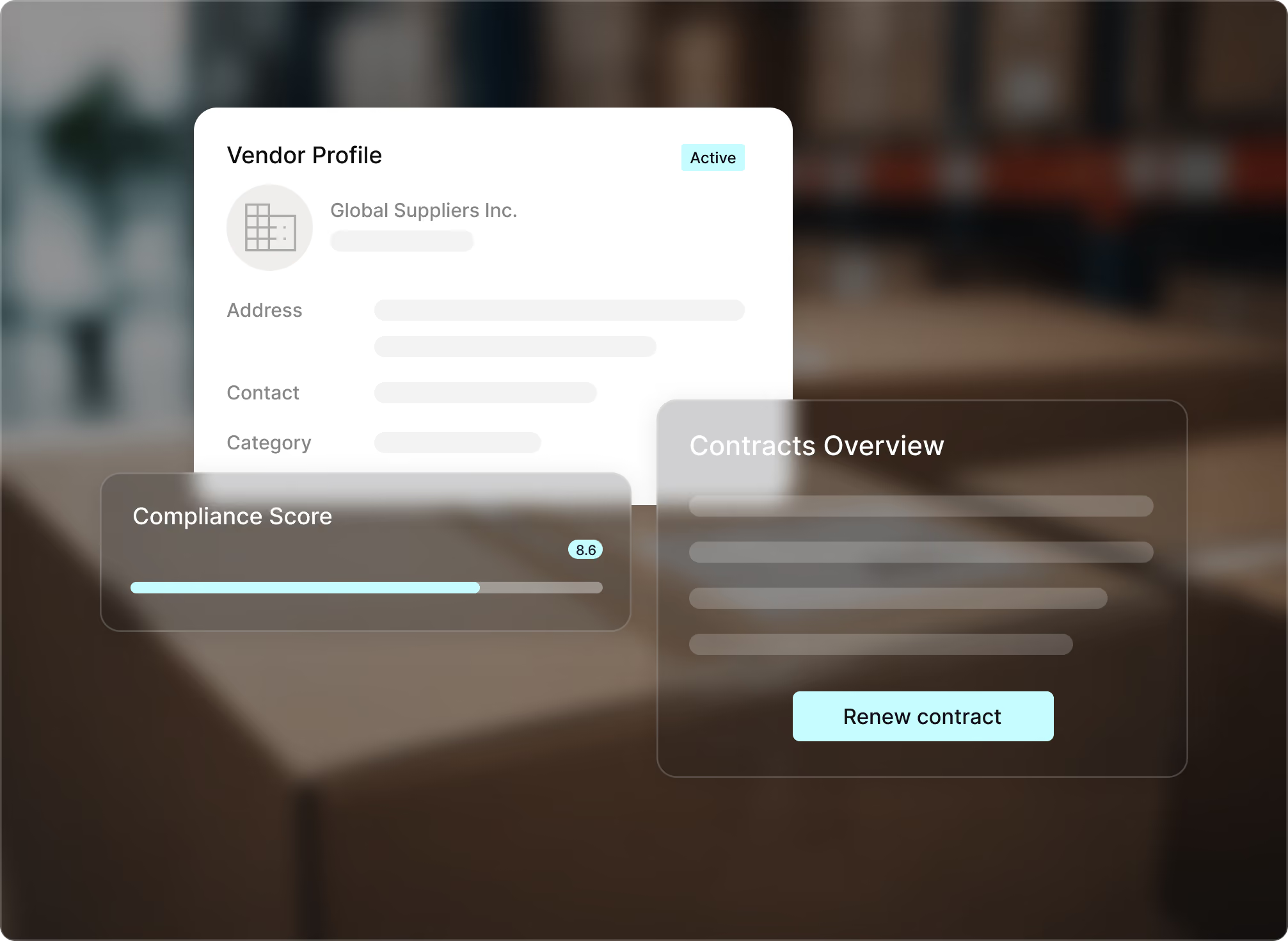
When vendor data lives in inboxes and spreadsheets, procurement teams lose visibility into vendor information, performance, compliance documents, and contracts. Manual follow-up makes vendor oversight harder and increases the chance that important renewals or issues get missed.

Centralized vendor records
Keep contacts, certifications, compliance documents, and vendor history in one vendor management system.

Vendor performance tracking
Track delivery, quality, responsiveness, and other key performance indicators with consistent vendor scorecards.

Contracts visible and connected
Store vendor contracts centrally, track renewals, and keep terms connected to the purchasing process.
Vendor management
that runs on data
From vendor onboarding to performance reviews, Tradogram brings vendor information, contracts, communication, and performance into one centralized platform so procurement teams manage the vendor lifecycle with less manual follow-up.
Digital vendor onboarding
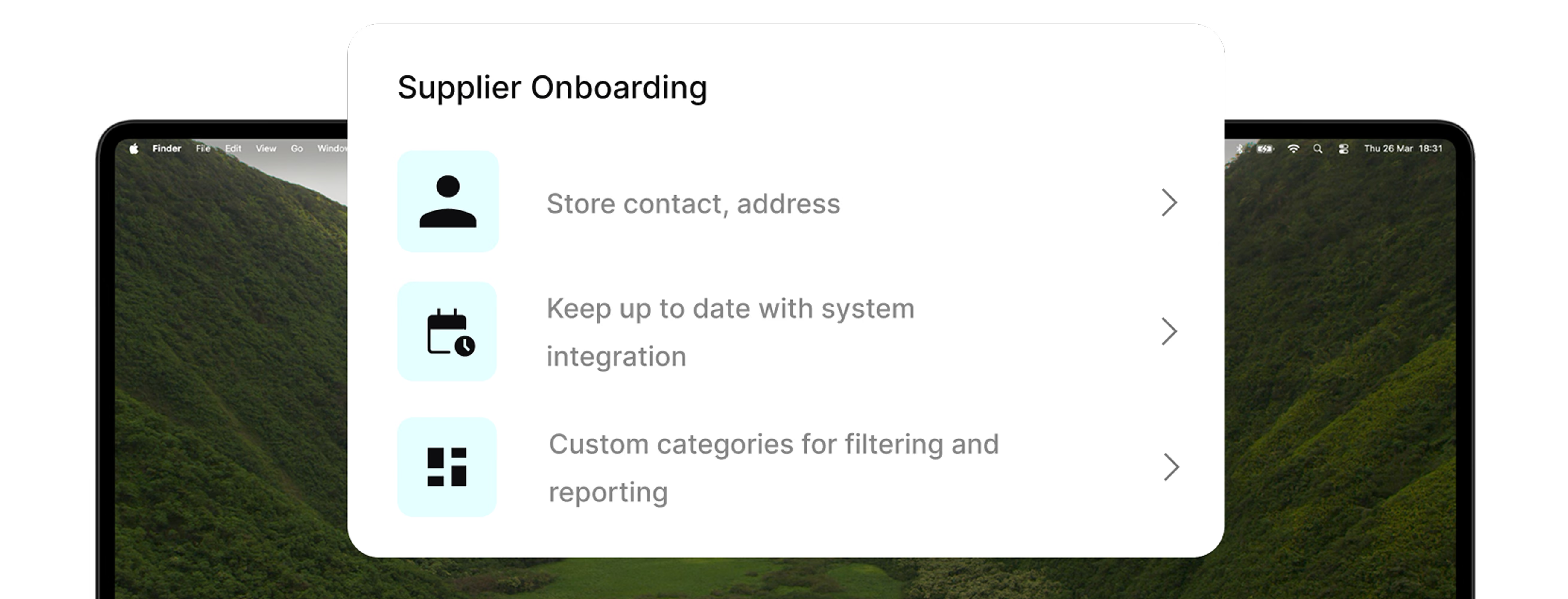
Give new vendors a dedicated vendor portal to submit contact details, documents, and pricing once, reducing unnecessary back and forth.
Vendor performance scorecards
Track delivery, quality, responsiveness, and other performance metrics over time to strengthen vendor oversight.

Centralized vendor contracts
Store vendor contracts in one place, track renewals, and keep contract details connected to each vendor record.

RFQ and RFP management
Invite approved vendors to sourcing events, collect bids, and compare responses without moving vendor data between separate systems.

Vendor communication hub
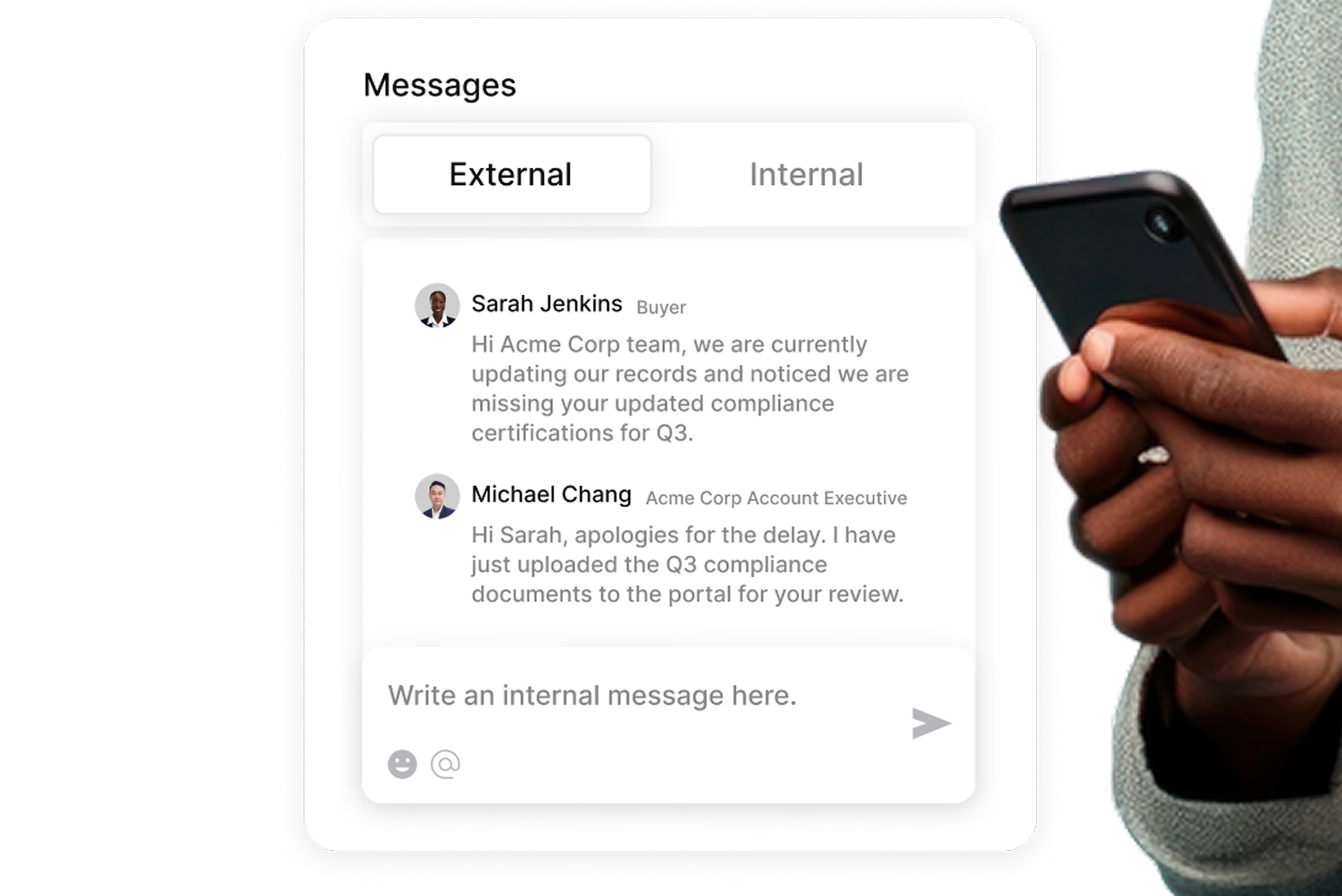
Keep vendor communications and vendor workflows connected to each record so internal teams have one place to follow activity.
From new vendor
to trusted partner

Vendor onboarding
Onboard digitally
New vendors complete onboarding through a self-service vendor portal. Required vendor information, documents, and compliance details are captured once and then added to the approved list.
Performance Tracking
Track vendor performance
Orders, deliveries, and interactions stay connected to each vendor record. Scorecards use consistent performance metrics so procurement teams maintain visibility over time.
Compliance Monitoring
Monitor risk and compliance
Compliance tracking keeps required documents and review dates visible. Risk assessment and vendor performance data help teams identify vendor risk before it affects vendor relationships.
Better vendors. Lower risk
Bring vendor data, documents, contracts, and communication into one centralized platform so procurement teams have a complete view of every vendor relationship.
Use performance history and weighted scorecards to evaluate vendors objectively, strengthen vendor relationships, and support more informed decisions.
Track renewal dates and vendor contracts automatically so agreed terms stay visible and third-party risk is easier to manage.

The numbers behind
better vendor management


Connect Tradogram with the tools your team already relies on

Frequently
Asked Questions

Vendor management software centralizes vendor information, onboarding, contracts, compliance documents, performance history, and communication in a single platform. Tradogram provides a vendor management solution that gives procurement teams clearer oversight across the vendor lifecycle without relying on spreadsheets or disconnected records.
Tradogram helps automate vendor workflows such as self-service onboarding, collection of required vendor information and documents, performance tracking, and contract renewal visibility. This reduces manual follow-up while keeping vendor records and related activity connected.
Tradogram keeps compliance documents, vendor information, performance data, and contract records visible in one system. Procurement teams use this information to monitor vendor risk, support regulatory compliance requirements, and identify issues that need review before they affect purchasing decisions.
Yes. Tradogram supports vendors providing services as well as those that provide goods. Teams managing services procurement can maintain vendor records, collect onboarding and compliance information, track contracts and performance, and keep the relationship connected to the broader procurement process.
Book a demo
See how Tradogram gives procurement teams one place to onboard vendors, track performance and compliance, and stay ahead of contract renewals.