Sourcing Management Software
Smarter sourcing. Better supplier decisions
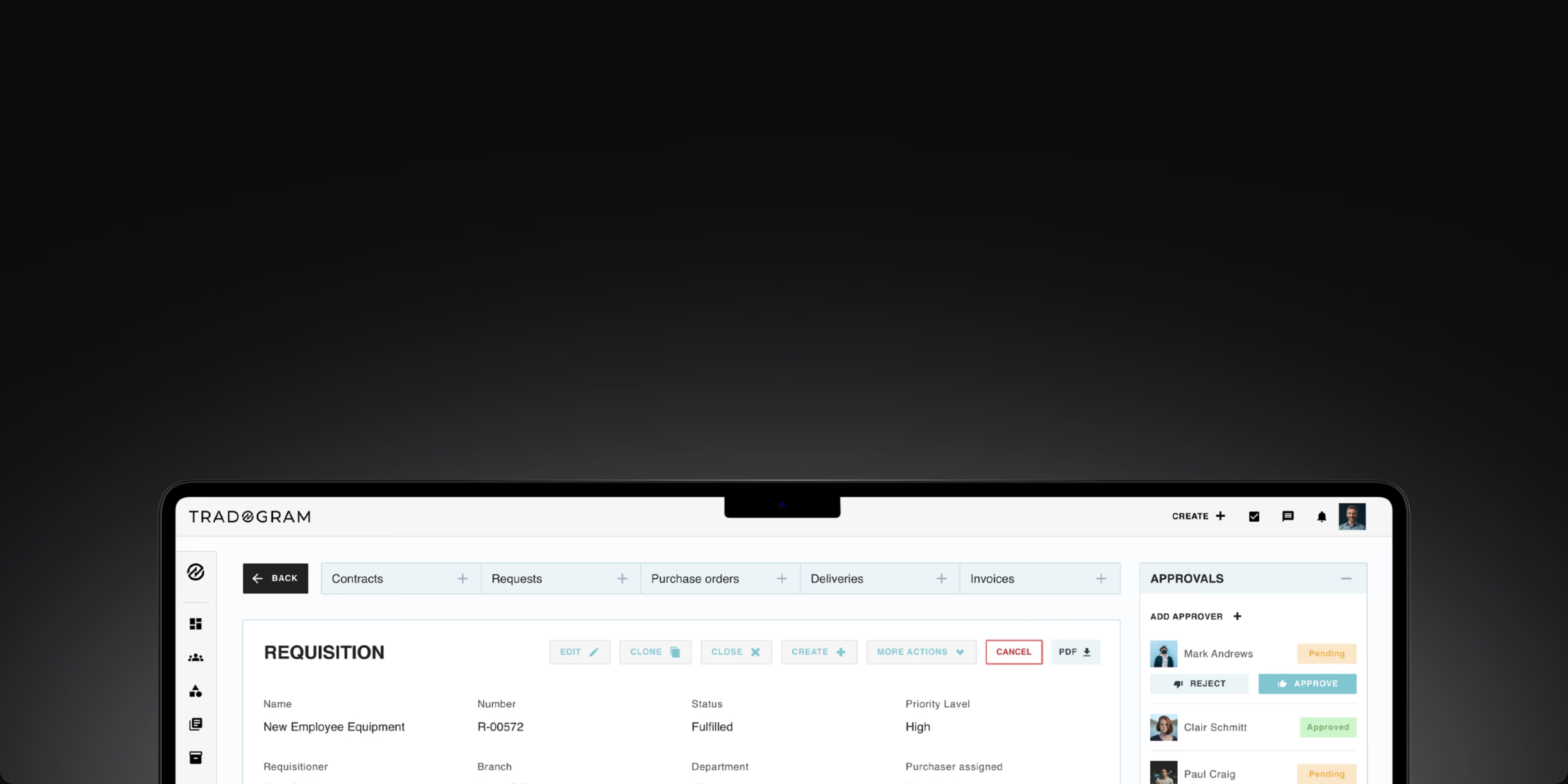
Tradogram helps procurement teams run RFQs and RFPs, invite suppliers, collect bids, compare proposals, and award contracts with confidence. Every sourcing decision is documented and traceable.








Sourcing decisions made
without the right structure
When RFQs and RFPs are managed through email and spreadsheets, supplier responses are harder to compare consistently, bid analysis takes more manual effort, and the sourcing process becomes harder to document.

Bids collected in one place
Collect supplier responses in one place and standardize them for easier bid analysis.

Side-by-side supplier comparison
Compare supplier bids side by side on price, quality, delivery terms, and custom criteria.

Every sourcing decision on record
Keep sourcing events, bid evaluations, and award decisions documented.
Sourcing without the spreadsheets
From RFQ creation to supplier selection, Tradogram sourcing software structures each sourcing event, supports supplier discovery, standardizes supplier responses, and keeps sourcing and procurement activities connected.
RFQ and RFP creation
Build and send RFQs and RFPs in one place, with invitations, deadlines, requirements, and response criteria configured upfront.

Side-by-side bid comparison
Compare supplier bids on price, quality, delivery, and custom criteria to support clearer award decisions.
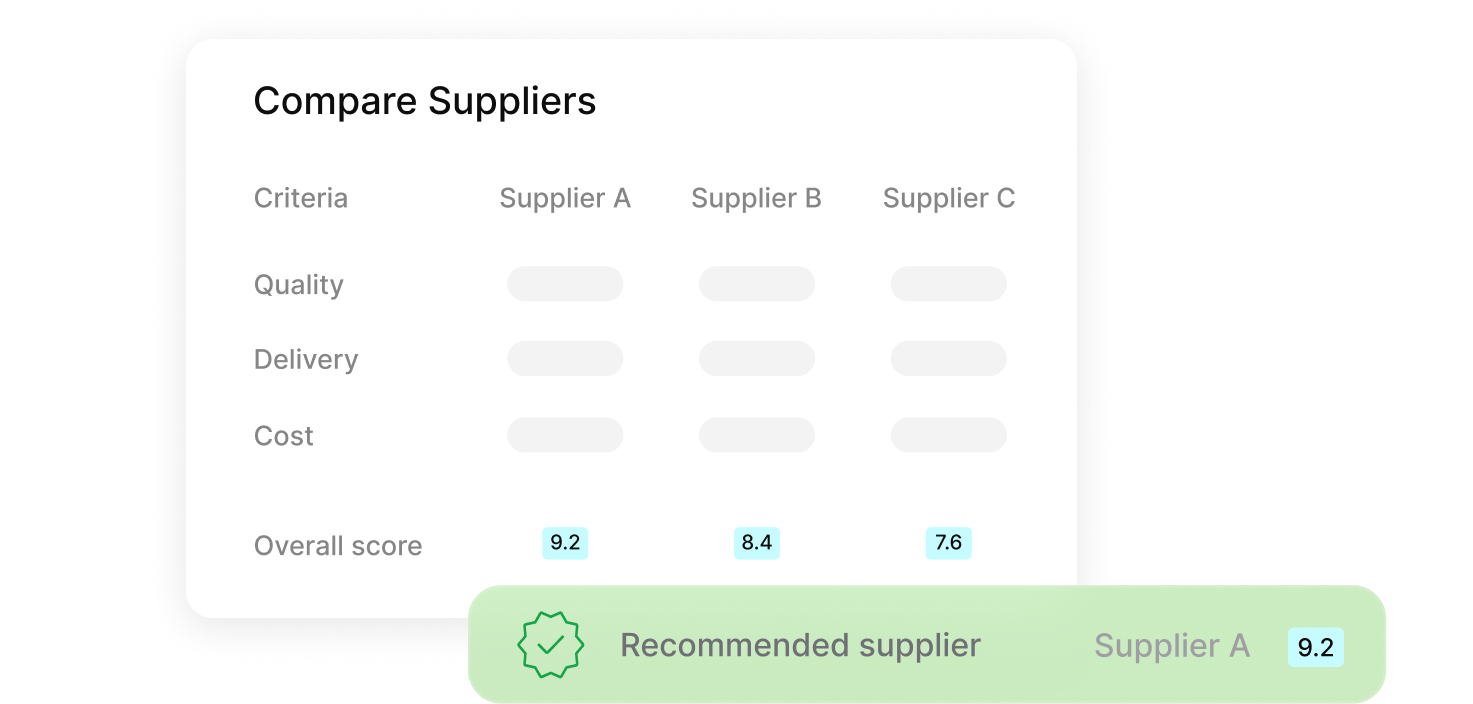
Weighted bid evaluation
Score supplier bids against weighted criteria to support consistent bid analysis and objective supplier selection.
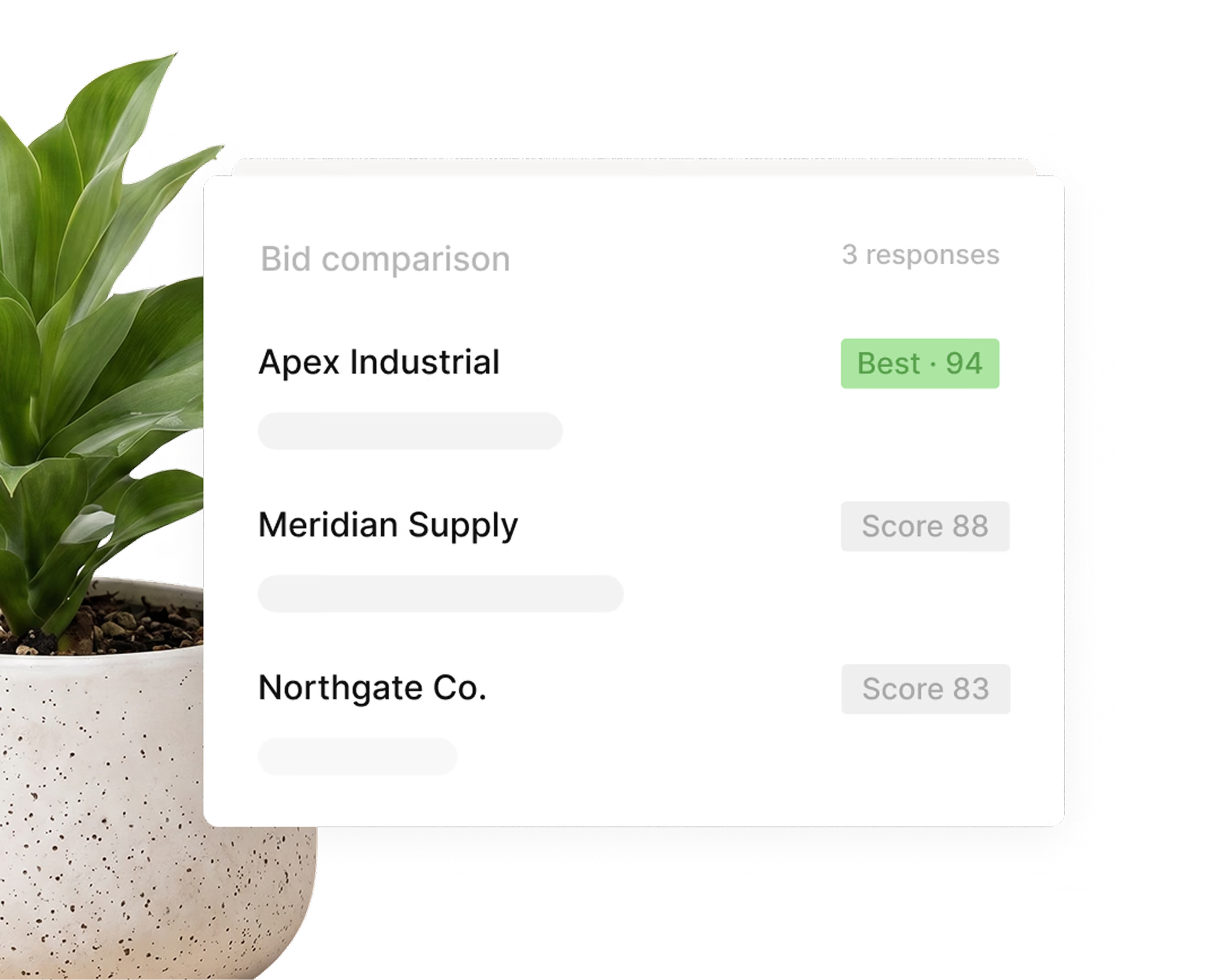
Supplier response portal
Suppliers submit responses through a dedicated portal, keeping supplier communications in a consistent format.

Direct to purchase order
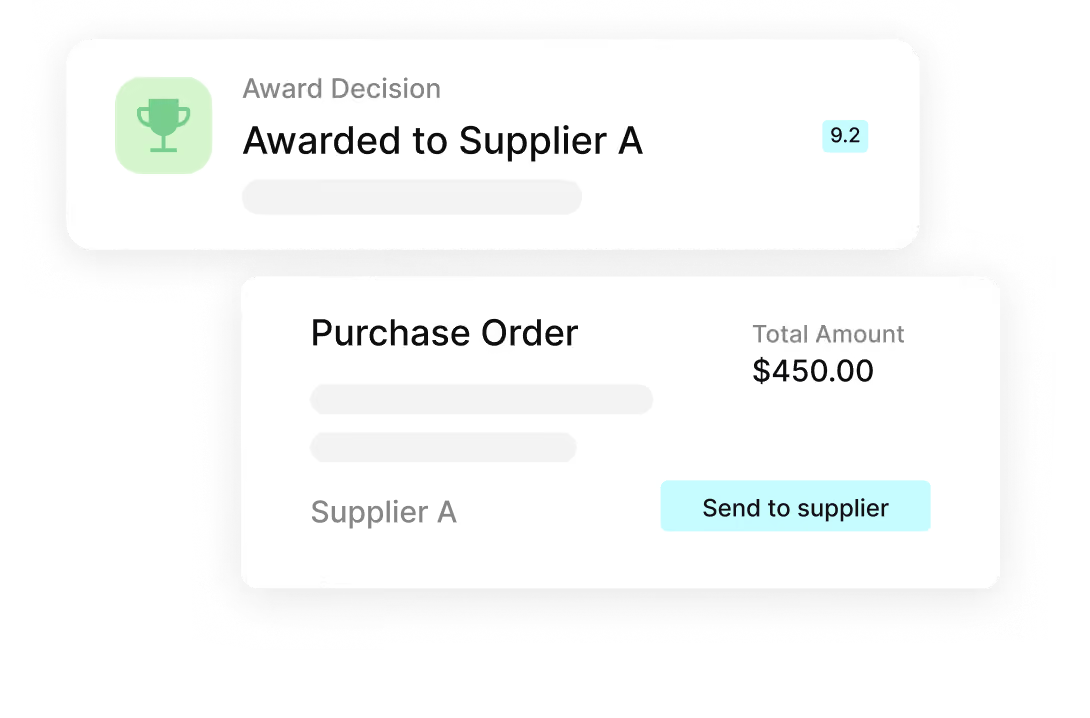
Convert awarded supplier bids directly into purchase orders and notify selected suppliers automatically, keeping sourcing and procurement connected.
From RFQ to
awarded supplier
Event setup
Create and send the RFQ
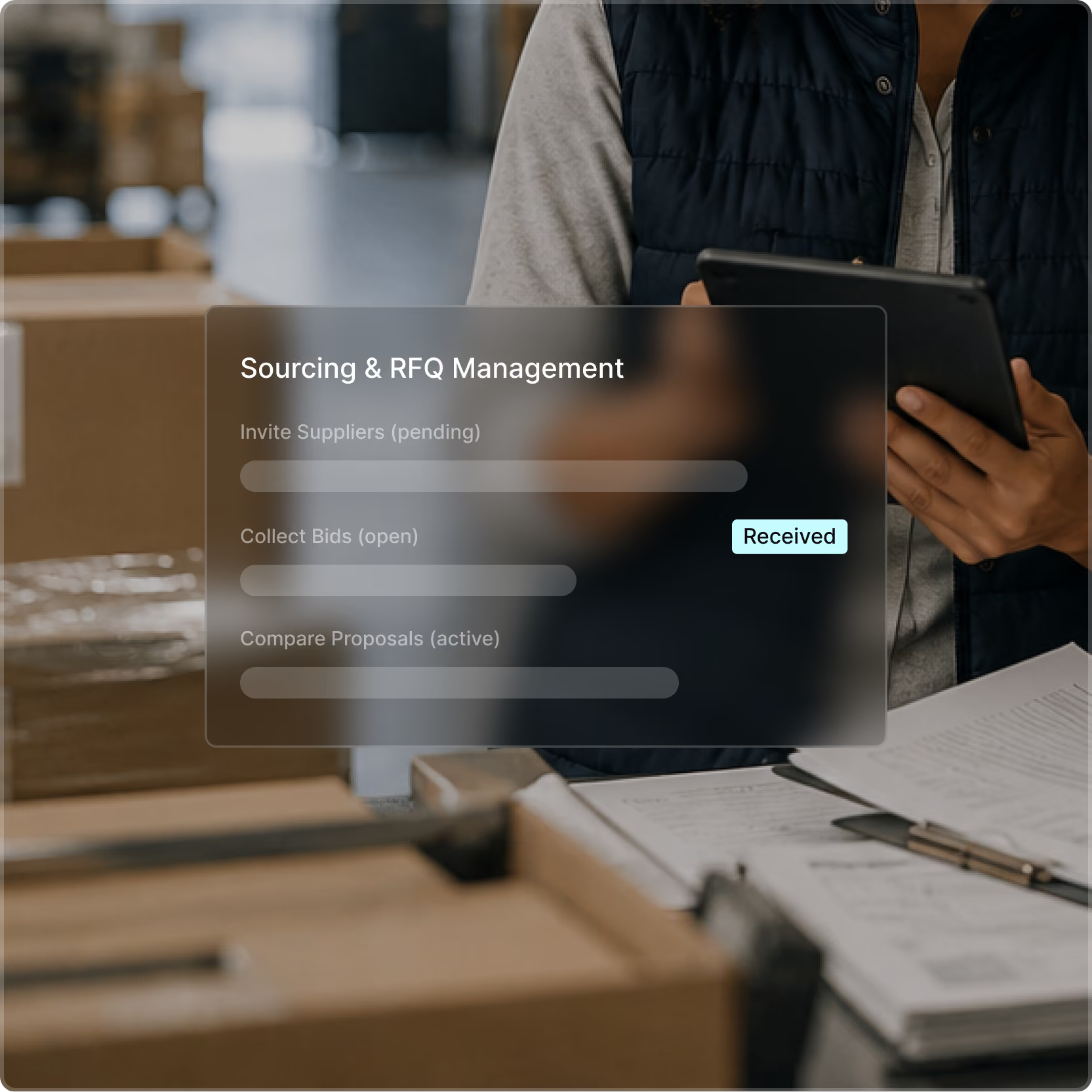
Build the RFQ or RFP, invite suppliers, and set response deadlines in one place, giving procurement teams a structured start to the sourcing lifecycle.
Supplier response
Suppliers submit bids
Potential suppliers submit bids through a dedicated response portal, keeping information consistent for competitive bidding and easier comparison.
Approval workflow
Compare bids and award suppliers
Compare supplier bids side by side, select the preferred supplier, and convert the award directly into a purchase order. This keeps sourcing activities connected to downstream procurement processes.
Better bids. Smarter choices
Structured sourcing events replace ad-hoc email threads. Every supplier gets the same brief, and every response comes back in a consistent format.
Weighted scoring evaluates each bid against the same criteria, giving procurement professionals a clearer basis for strategic sourcing decisions that support the broader procurement strategy.
Keep a complete record from event creation through supplier award and PO conversion. Documented responses, scores, and decisions help meet compliance requirements and support stronger supplier relationships.

The numbers behind
better sourcing outcomes


Connect Tradogram with the tools your team already relies on

Frequently
Asked Questions

Sourcing management software is procurement software that gives teams a structured way to run sourcing activities such as RFQs and RFPs, supplier invitations, bid collection, evaluation, and award decisions.
Tradogram brings these steps into one structured sourcing workflow so procurement teams can run e-sourcing events without relying on email and spreadsheets.
An RFQ (Request for Quotation) is used to collect pricing from suppliers for defined goods or services. An RFP (Request for Proposal) is used when suppliers need to propose a solution as well as commercial terms. Tradogram supports both event types with configurable templates and standardized response formats for strategic sourcing.
Yes. Tradogram helps procurement and supply chain teams manage suppliers by keeping performance information connected to future sourcing decisions.
Tradogram’s supplier management tools track supplier performance across factors such as delivery, quality, and responsiveness. Existing performance information can then support supplier evaluation during future sourcing events, helping procurement teams make more informed supplier decisions.
The winning bid can convert directly into a purchase order without manual re-entry. When an agreement is required, Tradogram’s contract management tools can carry the source-to-contract process forward by centralizing the supplier contract and connecting its terms to purchasing. Supplier records, contracts, and performance can remain connected as the relationship develops.
Book a demo
See how Tradogram helps teams structure sourcing decisions, connect supplier information with downstream procurement, and improve procurement outcomes.