

Procurement risks are costly. Without a structured approach, businesses may struggle to maintain transparency and control over their purchasing process, leading to contract or supplier non-compliance or even fraud.
A Source-to-Pay system helps mitigate these risks. It enhances transparency, supplier evaluation, and fraud detection, reducing vulnerabilities in the procurement cycle. In this article, we will review everything you need to know about the S2P system, from key components and benefits to how it reduces procurement risks. So, let’s dive in.
What is a Source-to-Pay System
A Source-to-Pay (S2P) system is a comprehensive procurement solution that covers the entire procurement lifecycle, from sourcing suppliers to making final payments. It integrates a single streamlined process into sourcing, contract management, procurement, and accounts payable.
Key Components of a Source-to-Pay System
The key components of S2P systems include the following:
- Sourcing – Identifying, evaluating, and selecting suppliers.
- Supplier Management – Onboarding and maintaining supplier relationships.
- Contract Management – Creating, negotiating, and monitoring contracts.
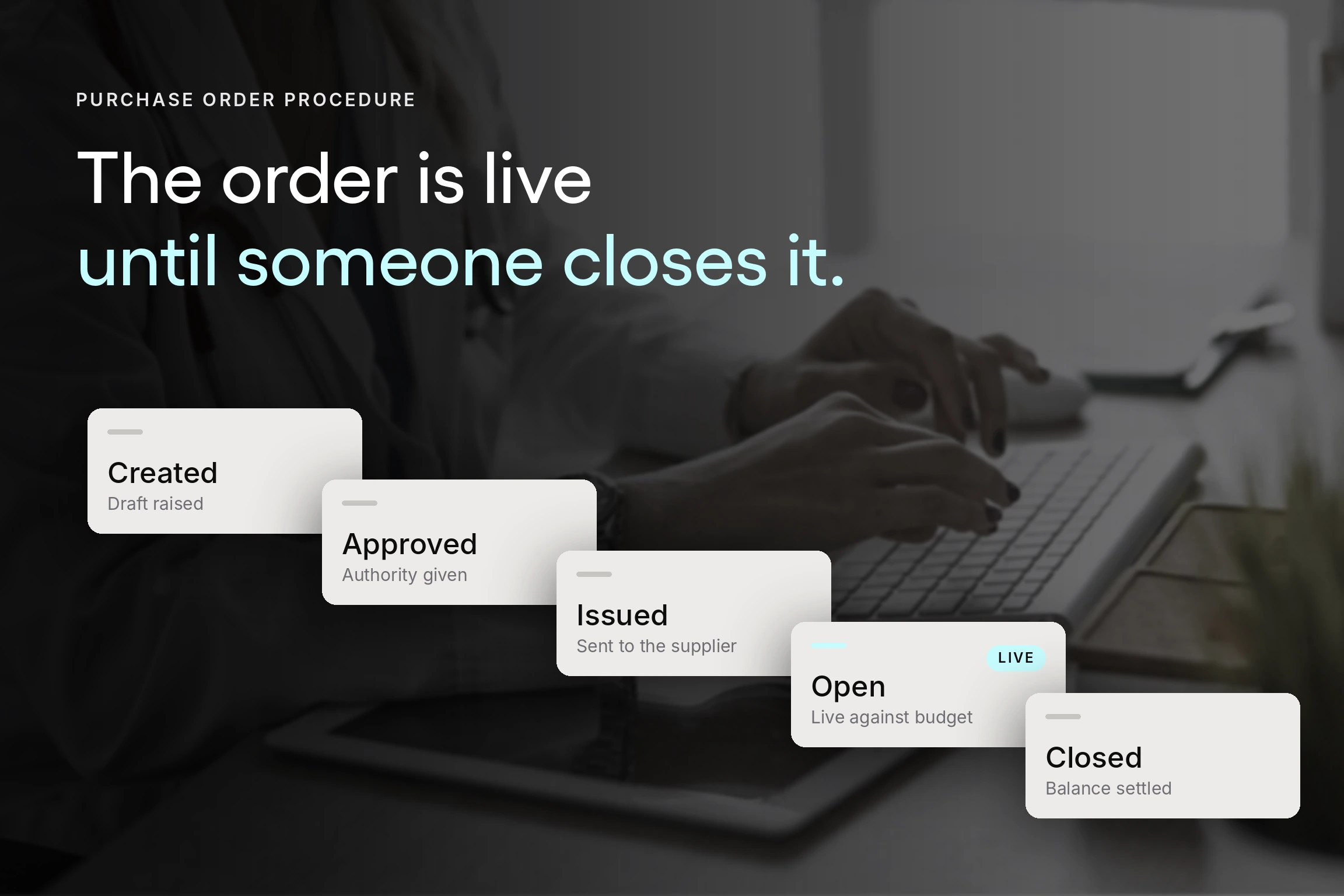
- Procurement – Generating purchase orders and managing requisitions.
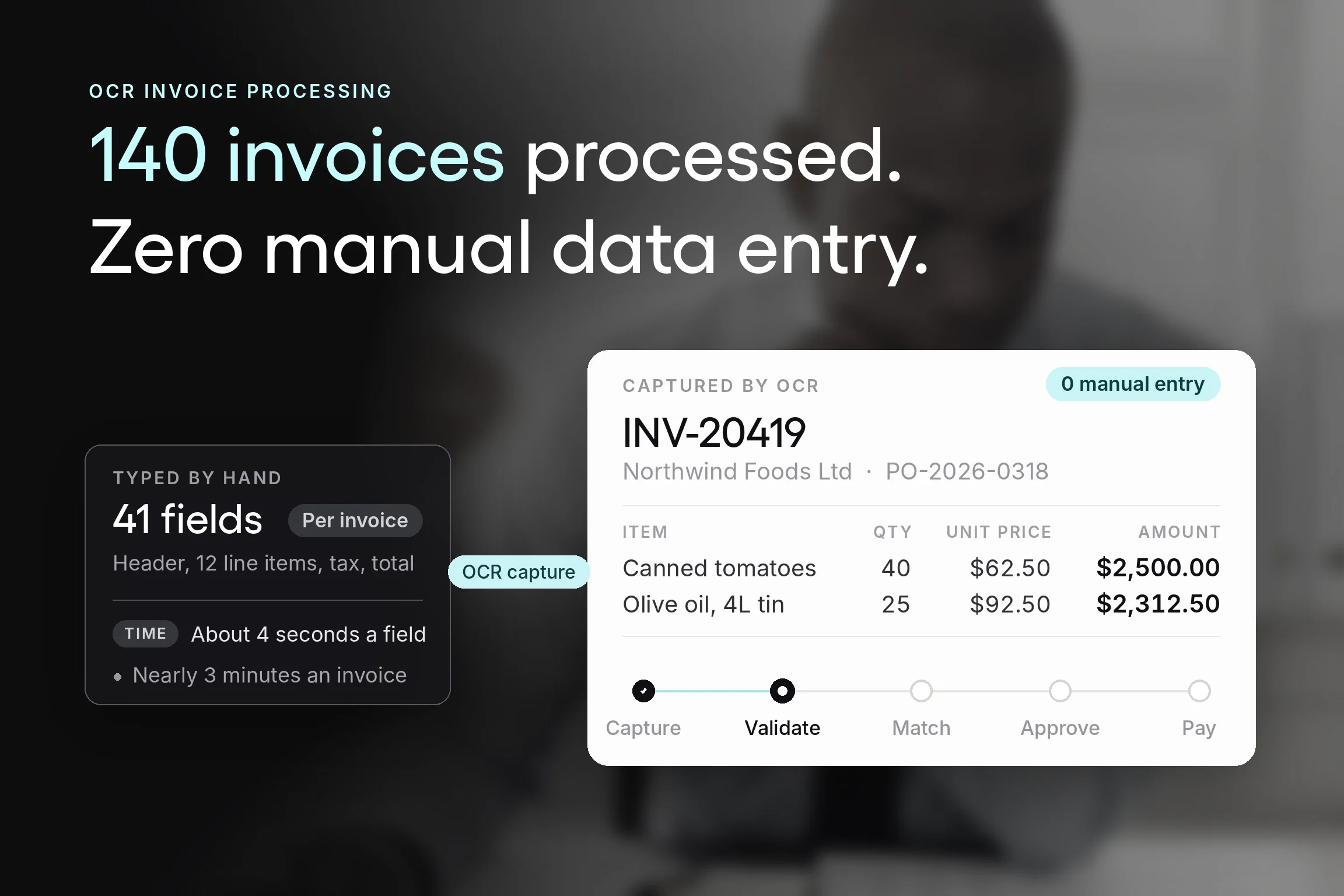
- Invoice Processing – Matching invoices with purchase orders and approvals.
- Payments – Executing and tracking supplier payments.
Benefits of Source-to-Pay System
Procurement systems come in handy with a variety of benefits. So, before moving to the risk management section, let’s take a deeper look at the benefits.
Cost Savings
An S2P system reduces procurement costs by automating processes, improving supplier negotiations, and minimizing errors that lead to overspending.
Increased Efficiency
Automation eliminates manual tasks, speeds up approvals, and ensures smoother workflows, reducing procurement cycle times.
Enhanced Compliance
Built-in compliance controls help businesses adhere to internal policies and regulatory requirements, lowering the risk of fines or fraud.
Better Supplier Management
Centralized supplier data and performance tracking improve vendor relationships, ensuring reliability and accountability.
Improved Spend Visibility
Real-time analytics provide insights into purchasing patterns, helping businesses control budgets and optimize procurement strategies.
Risk Mitigation
An S2P system minimizes supply chain disruptions and financial losses by assessing supplier risks and ensuring contract compliance.
Streamlined Payment Processing
Automated invoice approvals and payments enhance cash flow management, prevent late fees, and improve supplier satisfaction.
How Source-to-Pay Can Reduce Procurement Risks
S2P systems are designed to help businesses streamline the procurement process and eliminate risks associated with fraud and non-compliance. Let’s understand how these systems help with it.
Supplier Risk Assessment
Identifying and evaluating suppliers before onboarding is crucial to reducing procurement risks. S2P systems provide tools to assess supplier reliability, financial stability, and past performance.
- Conduct automated background checks and financial assessments before onboarding new suppliers.
- Use real-time supplier scorecards to track performance and flag potential risks.
- Establish approval workflows to ensure that only verified suppliers are added to the procurement network.
By implementing supplier risk assessments, businesses can prevent disruptions caused by unreliable vendors. For example, Tradogram’s supplier management features help companies evaluate supplier performance and ensure compliance before engagement.

Contract Compliance Monitoring
Ensuring that suppliers adhere to agreed-upon terms and conditions helps prevent legal disputes and financial losses. S2P systems streamline contract compliance by automating tracking and enforcement.
- Integrate contract management tools to track key terms, deadlines, and renewal dates.
- Set up automated alerts for contract expirations and non-compliance issues.
- Use digital audit trails to maintain a transparent record of contract changes and supplier obligations.
With contract compliance monitoring, businesses can reduce financial risks and maintain smooth supplier relationships. For example, an e-commerce company using an S2P system prevented penalties by automating contract renewals and enforcing supplier obligations.
Fraud Prevention Mechanisms
Procurement fraud, such as invoice duplication and unauthorized purchases, can result in financial losses. S2P systems help detect and prevent fraud through automation and approval controls.
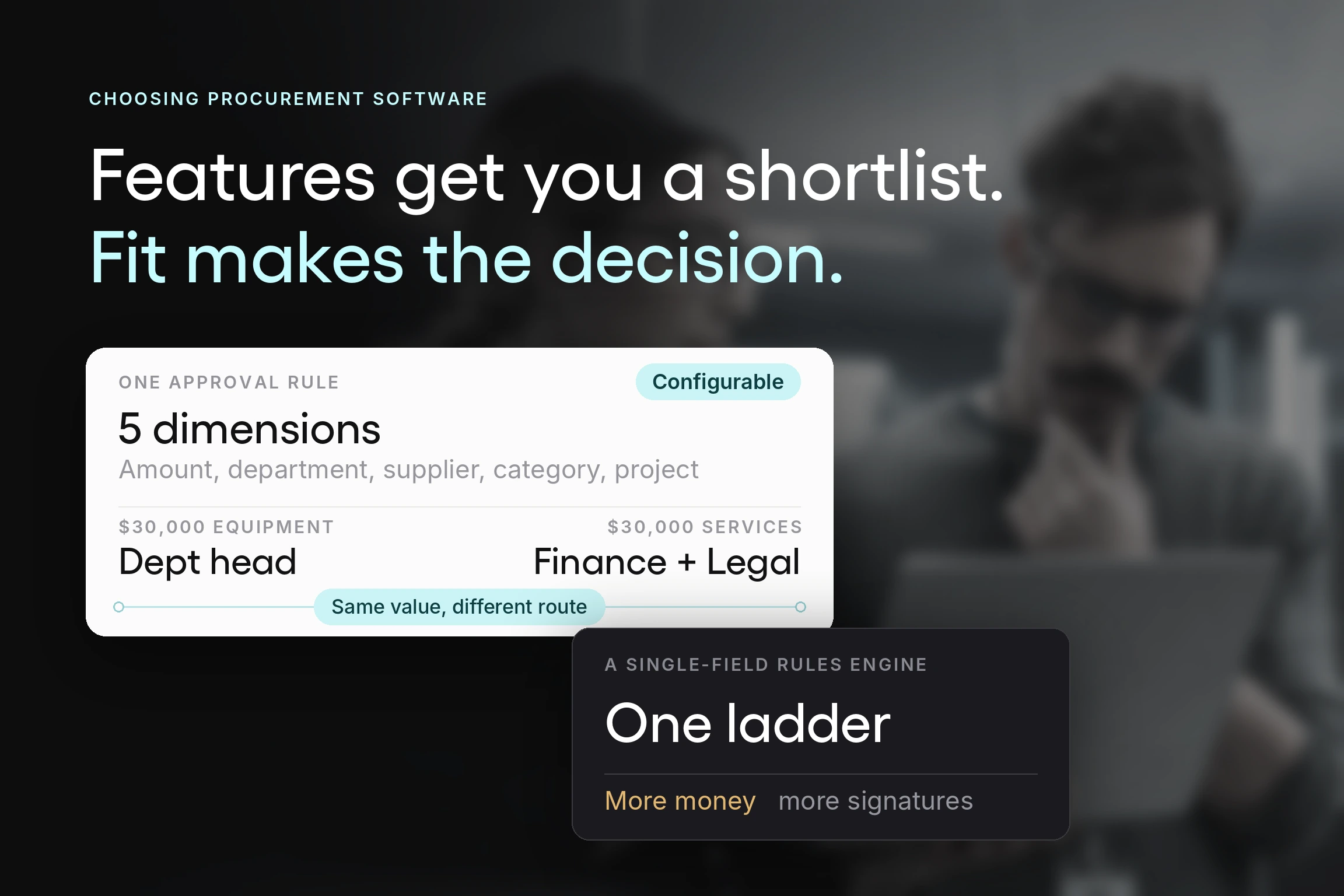
- Implement multi-level approval workflows to verify purchases before processing payments.
- Use AI-powered fraud detection tools to identify suspicious transactions.
- Maintain audit logs to track procurement activities and prevent unauthorized changes.
By leveraging fraud prevention tools, companies can safeguard their procurement processes.
Supply Chain Disruption Management
Unforeseen disruptions, such as supplier delays or shortages, can impact business operations. S2P systems help mitigate these risks by improving supply chain visibility and response strategies.
- Monitor supplier performance in real-time to identify potential disruptions early.
- Use predictive analytics to forecast supply chain risks and develop contingency plans.
- Automate communication with alternative suppliers to ensure continuous operations during disruptions.
Effective disruption management ensures supply chain stability. For instance, you can avoid production delays by using an S2P system to switch suppliers when an existing vendor fails to meet delivery timelines.
Regulatory and Data Security Compliance
Ensuring procurement processes align with legal and security requirements helps avoid penalties and data breaches. S2P systems enforce compliance through built-in regulatory controls.
- Maintain digital records of procurement activities for audit readiness and regulatory reporting.
- Enforce data security measures, such as encryption and access controls, to protect sensitive supplier information.
- Automate compliance checks to ensure procurement aligns with industry regulations.
By prioritizing regulatory and data security compliance, businesses reduce legal risks.
Improve Your Risk Management with Tradogram
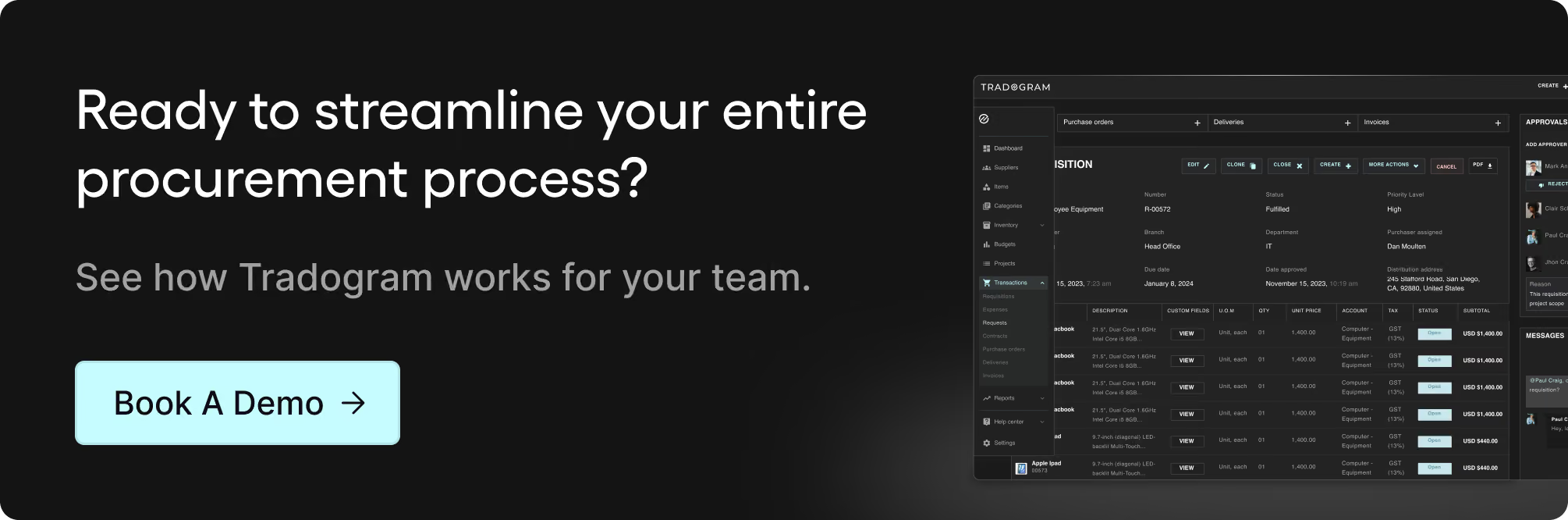
If you are looking for a reliable solution to enhance risk management, then you are in the right place. Tradogram offers a better way to manage procurement. It is an all-in-one procurement tool that comes in handy with everything from supplier and inventory management to spending and budget analytics tools.
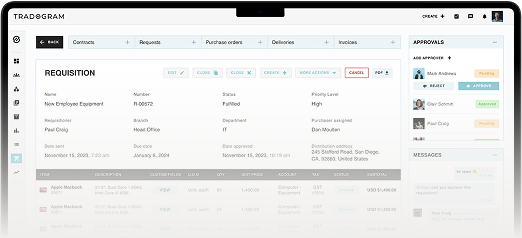
With our requisition management software, you can efficiently automate the purchase process, customize it, streamline approval, and gain better visibility into the processes for improved risk management. Contact us to learn more about how Tradogram can help you with secure procurement.