

When it comes to technology and digital transformation in the business world, procurement professionals have a lot of choices to make. One of the most critical decisions is what type of digital IT procurement solution to use to achieve optimization in your procurement process. There are many different options, and deciding which is right for your business can be challenging. This article will discuss the different things to look for in a solution to make the best choice for your business.
We will review what procurement leaders need to look for in their business's digital procurement solution. The IT procurement process components must be managed well with a Procure-to-pay software solution. Before we do, here is a quick snapshot of what we will be covering:
1) Installation & Integration with Related Services
2) Great Support and Customer Experience
3) Must-have Digital Procurement Features
4) Allows Visibility Into the Digital Procurement Process

What is Digital Procurement?
Digital procurement refers to the use of digital technologies to automate and enhance the procurement process. It involves the integration of digital tools and platforms to manage various aspects of procurement, from sourcing to contract management. Embracing digital procurement can lead to increased efficiency, improved accuracy, and better overall procurement outcomes.
Digital Solutions for Procurement
In the realm of digital transformation, digital solutions for procurement play a pivotal role. These solutions leverage technology to streamline and optimize the procurement process, offering efficiency and accuracy. Choosing the right digital solution is crucial for a successful digital IT procurement strategy.
Installation & Integration
An IT procurement software needs to integrate easily with your existing system. Any organization serious about digital revolution has to consider how the software systems fit together in the digital realm. A cloud-based digital procurement system would allow easy online access to the end user and be easy to install at the click of a button. Typically, these types will not need to interact with any back-end security protocols.
Integration with your existing ERP is a critical piece for any procure-to-pay solution. Recording your IT procurement transactions is crucial for your business to ensure the accuracy of your financial reporting. Any manual internal and external process around recording the purchase of goods and services, preparing invoices, paying suppliers, or calculating profitability, opens your business up to errors.
User management is another essential process to consider. Ensure that setting up users within the system is smooth and easy. Review your business needs around hierarchy and ensure that you invest in digital technologies that accommodate that structure. Not everyone needs access to everything, and it's essential to be able to manage access.
DOWNLOAD THE DIGITAL PROCUREMENT TRANSFORMATION GUIDE
Great Support and Customer Experience
A procure-to-pay digital platform must be comprehensive, easy to use, and intuitive to navigate. This guarantees the best user experience for all aspects of procurement. We all know how challenging it can be for teams to adopt new digital technologies, and a significant step toward helping this is to start with digital products that are easy to use. This use of digital technologies that are intuitive improves the learning curve and increases the adoption of a digital procurement process.
Support within a procurement system can be viewed in various ways depending on the business case. Before choosing any of the tools available, look for a detailed help section within the platform itself. This allows the end-user to seek the help they need without any assistance.
Another excellent resource for support is video tutorials. Whether embedded within the platform or published on YouTube, videos are a perfect way for an end-user to get help while learning to use the procurement management platform.
Another critical thing to look at is how the company itself provides support. Some companies have a phone number for support, while others have an email or chat system. Think about your procurement team and how they prefer to communicate. Then you can look for a support model that aligns with your operating model.
Some digital procurement solutions come with a set number of contracted help hours with your purchase of their platforms.
Must-Have Digital Procurement Features
When you're considering the adoption of digital procurement solutions, it's essential to look for specific features to ensure it's the right tool for your business. Using a system to digitally automate and streamline certain parts of the procurement process will help you manage it more efficiently. This is particularly important for large-scale procurement processes where one platform manages many procurement tasks.
A supplier management component is a critical feature of every procurement tool should have. In a procure-to-pay solution, it's vital to have an area to manage all your suppliers and maintain an organized digital supply chain. Suppliers' contact information, purchase history, and service level history are essential items to track.
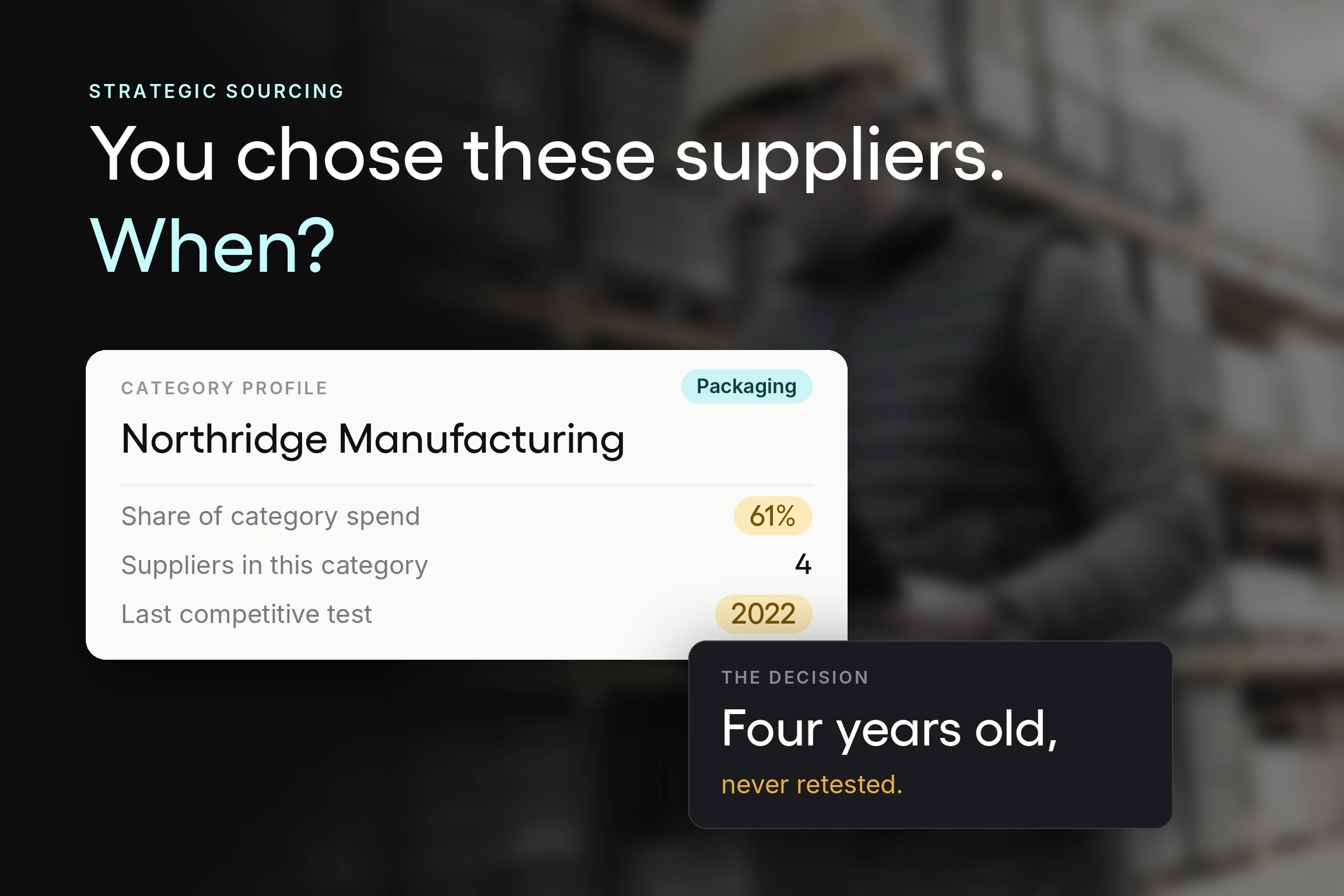
Having supplier contact information readily available will ensure that the IT procurement strategy goes smoothly. Making purchase history available gives you insights into who you buy the most from, and service level history lets you keep track of your best-performing vendors. Your best-performing suppliers are the ones you may focus most on your procurement. Reviewing underperforming suppliers allows you to obtain alternate suppliers where it makes sense. Supply chain management features like these are must-have features for a procurement platform.
Contract Management is also a vital piece to have in your software solution. This is a pivotal component to track, ensuring you are negotiating the lowest possible price on all your IT procurement-related needs.
A suitable contract management module will track historical contract pricing with each supplier and ensure a smooth negotiation. Keeping a historical record of bargaining with each supplier will also help you optimize who you buy each item from. Beneficial functionality to have would be the ability to automate the communication and tender process with your suppliers. Sending out the invitations to bid automatically and tracking the process can speed up the contract management process.
These are just two examples of digital procurement features you must consider when investing in software for managing the procurement of goods and services. Other must-have features include spend analytics, change management, process automation, and so on.
Allows Visibility Into the Digital Procurement Process
Visibility within your procure-to-pay system is critical to achieving a robust and efficient digital procurement strategy. This is one of the main benefits of digital procurement over traditional procurement. Adopting digital procurement could give you access to a wide range of features that gives you better visibility.
For instance, leveraging an Item Master Management feature on your digital procurement platform is an important way to track the goods or services you buy. Maintaining an Item Master helps you track and store the details of each item you buy. These details include, but are not limited to, pricing, unit of measure, purchase history, accounting data, and manufacturer number. Tracking these details is vital to avoid item duplication and ensure clear communication during the buying process.
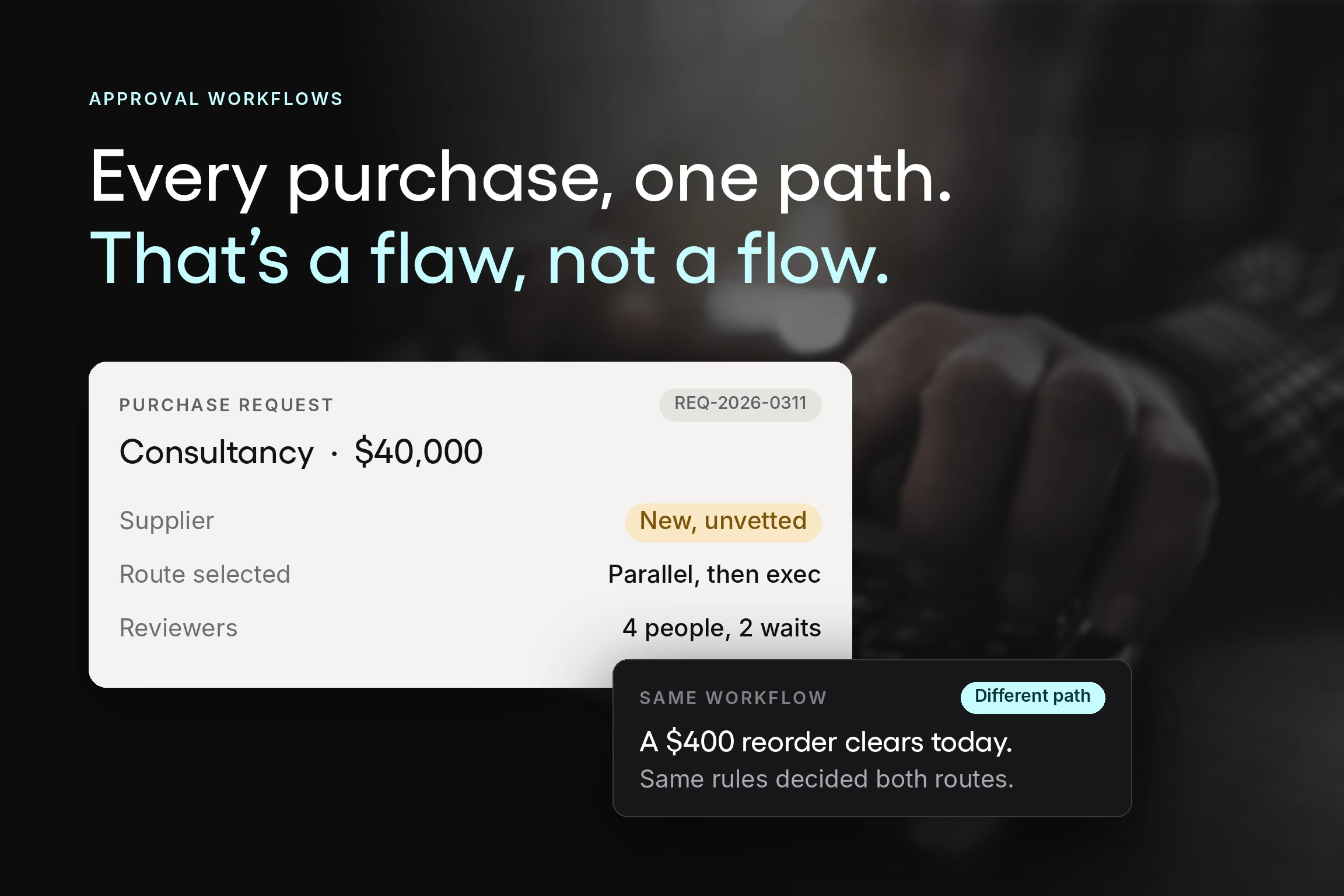
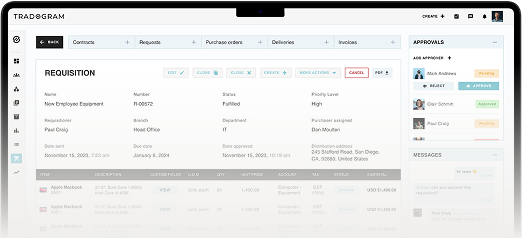
An approval workflow tool is another feature that will add increased visibility to your IT procurement process. This will allow you to add managerial approval by the procurement officer to the necessary process to control spending and keep your eyes on critical categories. Some limits may be applied based on spending amount; others could be based on a specific category.
Managing the budget is another crucial function that gives visibility into your business. Setting specific budget categories allows you to manage your spending on all aspects of the procurement process.
Look for a digital procurement solution that enables the flexibility to manage both daily procurement budgets and project-related expenses. Some digital procurement tools also have advanced analytics features or integrate with 3rd party analytics tools. This allows you to analyze your procurement data for better decision-making in future procurement functions.
Digital Procurement Strategies
Developing effective digital procurement strategies is essential for harnessing the full potential of digital technologies in procurement. A well-crafted digital procurement strategy encompasses the adoption of advanced tools, automation, and a focus on optimizing key procurement processes. This strategic approach ensures a seamless transition to digital procurement and maximizes its benefits.
Digital Procurement Services
In the landscape of procurement, digital procurement services offer a range of solutions aimed at enhancing the efficiency and effectiveness of the procurement process. These services may include software platforms, consulting, and support to facilitate a smooth transition to digital procurement. Choosing the right digital procurement services aligns with your business goals and ensures a successful digital transformation journey.
Final Thoughts
An essential part of the IT procurement process is finding the best tools with the features and usability that give you visibility into your procurement. While many options exist, selecting a system that meets all the needs of your procurement process is essential. A procure-to-pay system that is easy to use and integrates into your existing business processes can help you manage IT within your business. Tradogram is a cloud-based procurement platform with a wealth of features that helps optimize procurement.