
Host: A maze of data awaits you on our new game show, IT Potpourri! Produced by the team that brought you Tech Tectonics and Web, Net, Cookies, we'd like to introduce this groundbreaking spin on internet entertainment. Each week, IT Potpourri will feature a mélange of contestants trying to prove their superior validity as a term and/or concept within the www-dot domain. The debate will consist of two short rounds: Bare-knuckle (introductions) and Counterpunch (question & response). Our competitors today are two boisterous information technology concepts - please give a warm welcome to Ms. Portal and Mr. Platform! Come on out, friends!
*Booing, hissing*
Ms. Portal: Y'all better check your attitude!! Luddites!! I've been around since the early days, heck, I was originally a search engine and you think you can disrespect me like this?! My users relied on me as a starting point for some pretty wild web surfing, but they always came running back into my arms - right where they started. Navigation sites like Yahoo!, Excite, MSN, and Lycos gave me a reason to live. *sobbing* My responsibilities were manageable: I offered a full text index of document content! I could take advantage of hyperlinking capabilities built into web protocols! But NOW they want me to be everything to everyone! Ms. Portal, you gotta collect data from all these different sources and create a single point of access to information! You have to be Ms. Personalized Portal! Ms. Enterprise Portal! Ms. Government Portal! And don't forget the galleries and libraries that will use you only to COMPLAIN that you're not secure enough, or integrated enough, or your search function is flabby and old and doesn't look too smart. *sobbing and swearing* If I have to hear the words "universal login" or "vortal" one more time, I'm going to spit. J-j-just remember, you fools...I AM NOT A WEBSITE. *runs off set screaming*
Mr. Platform: Look, I was born into an elevated status, it's the premise of my definition, and you're telling me that this hysterical Ms. Portal is my contender? I'm insulted. But mostly I'm an enabler: with my help, websites can integrate additional functionality through an external application programming interface (API). It's a nonstop party at my place. I have browsers, software frameworks, cloud-computing, and more. I consider Twitter and Facebook to be my two best development platforms. We're tight. Salesforce is my most solid B2B platform. She's alright, a bit too much ego though. Are you taking notes? It's like I was saying, I'm a foundational kind of guy. People need me to build applications and secure users. Software developers love me, my middle name is "Cross-Platform Software", actually. Did you know that? Straight talk: I only came on this pathetic show with a dumb name because I need the perks of a network effect. I like to connect all the sides of my business, y'know? I get my developers to add capability, content, and value to my crib. If my users play nice they benefit too. Sometimes ya gotta throw 'em a bone.
Host: Excellent! Thank-you, Ms. Portal and Mr. Platform for those lively introductions! We'll move on to the Counterpunch round: you may ask each other one challenge question and the reply must be three sentences or less. As soon as we locate Ms. Portal on the server, the round will begin.
*System error break*
Ms. Portal: *Wearing sunglasses* Fine. I see. I see how it is. You better be ready for this-
Host: One QUESTION, please, Ms. P.
Ms. Portal: What type of platform impresses a massive jerk like yourself?
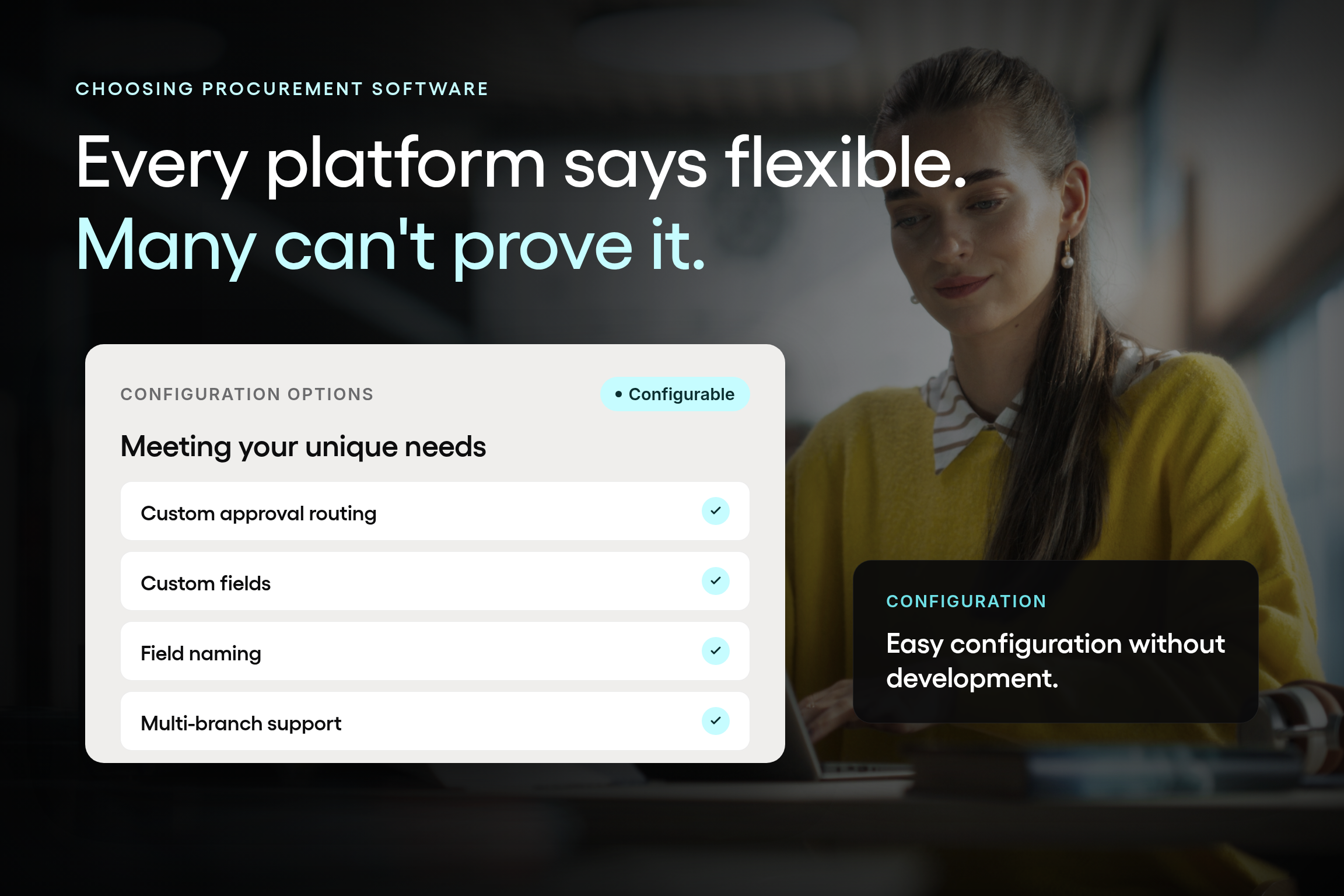
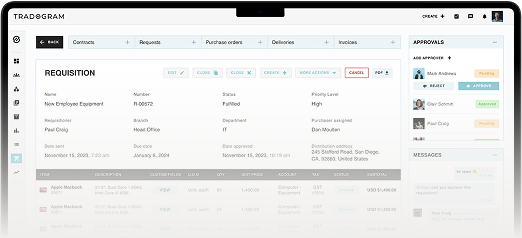
Mr. Platform: Thanks! I know some cool supplier negotiation platforms. They use cloud-based technology and really understand how to cater to a buyer's specific needs, you got that? Haha, I answered in three sentences, I win!! Here's your question: What about those rumours that say you restrict which domains can be searched?
Ms. Portal: You're an ignorant LIAR!!!! I use a search engine API to allow users to look up intranet content, as opposed to extranet content! It's called infrastructure functionality and it streamlines data. *inaudible muttering*
Host: Okaaaay folks, that's all the time we have for this session! Everybody wins!! Haha yeah right, there's definitely a winner and a loser. Stay tuned for the next episode of IT Potpourri where we reveal the outcome of this battle! Like potpourri, our show is a little ugly and a little messy, but just like IT, you need it. Until next time, viewers, happy internet.