

Procurement is a critical part of any successful business operation. It ensures that organizations get the goods and services they need at the right price and quality. A procurement specialist plays a key role in this process, helping businesses make smart purchasing decisions while managing supplier relationships effectively.
This article will cover what a procurement specialist does, their main responsibilities, and how procurement teams can boost their productivity with the right strategies and tools like Tradogram.
Who is a Procurement Specialist?
A procurement specialist is a professional responsible for sourcing goods and services for an organization. They research suppliers, negotiate contracts, manage supplier relationships, and ensure that purchasing processes align with company goals and budgets. Their work impacts cost efficiency, product quality, and overall business success.
Procurement specialists work in various industries, from manufacturing and construction to healthcare and technology. Depending on the organization’s size, they might manage procurement alone or as part of a larger procurement team. Their role is not just about buying goods at the lowest price but also about balancing quality, risk management, and supplier performance.
Main Responsibilities of Procurement Specialists
Procurement specialists have a wide range of duties that keep supply chains running smoothly and cost-effectively. Their responsibilities require a mix of analytical skills, negotiation skills, and relationship management.
Below are seven key areas where procurement specialists focus their efforts.
Supplier Research and Evaluation
Procurement specialists thoroughly research potential suppliers to ensure they meet the organization’s quality, pricing, reliability, and compliance standards. They analyze supplier histories, customer reviews, and industry reputation to make informed sourcing decisions. Evaluating multiple suppliers also helps mitigate risks and build a robust supplier base.
Negotiating Contracts and Pricing
One of the core tasks of a procurement specialist is negotiating favorable terms with suppliers. This includes pricing, delivery timelines, payment terms, warranties, and service agreements. Skilled negotiation helps businesses save money while maintaining product quality and ensuring fair terms that benefit both parties.
Managing Supplier Relationships
Building and maintaining strong relationships with suppliers is crucial for long-term success. Procurement specialists serve as vendors' primary point of contact, handling communication, resolving disputes, and fostering collaboration. Good supplier relationships can lead to better deals, priority service, and more flexibility during challenging times.
Ensuring Compliance with Company Policies
Procurement specialists ensure that all purchasing activities align with company policies and legal requirements. They work closely with finance, legal, and compliance teams to maintain transparency, prevent fraud, and adhere to industry regulations. Compliance also involves tracking vendor certifications and ensuring ethical sourcing practices.
Monitoring Inventory and Forecasting Needs
Effective inventory management is a major part of a procurement specialist’s role. They monitor stock levels, forecast future purchasing needs based on business trends, and coordinate orders accordingly. This prevents stockouts, reduces excess inventory, and improves department cash flow management.
Managing Purchase Orders and Documentation

Procurement specialists are responsible for creating and managing purchase orders, ensuring that all procurement transactions are properly documented. They maintain records of quotes, purchase requests, contracts, invoices, and payment receipts. Proper documentation supports audits, performance evaluations, and financial reporting.
Analyzing Procurement Data and Reporting
Procurement specialists track procurement metrics such as cost savings, supplier performance, order accuracy, and delivery times. They analyze this data to identify opportunities for improvement, make data-driven decisions, and create reports for upper management. Insights from procurement analytics help organizations optimize their purchasing strategies and achieve better outcomes.
How to Increase Procurement Team Productivity
With the growing complexity of supply chains and supplier management, procurement teams must continuously seek ways to improve efficiency and performance. Streamlining operations saves money, enhances supplier relationships, and strengthens overall business resilience.
Here are three proven ways to boost procurement team productivity.
Standardize Procurement Processes
Having standardized procedures for sourcing, vendor evaluation, contract management, and purchase approvals reduces confusion and minimizes errors. Clear workflows ensure every team member knows their responsibilities and follows best practices. Standardization also speeds up decision-making and improves compliance across departments.
Incorporate Procurement Software like Tradogram
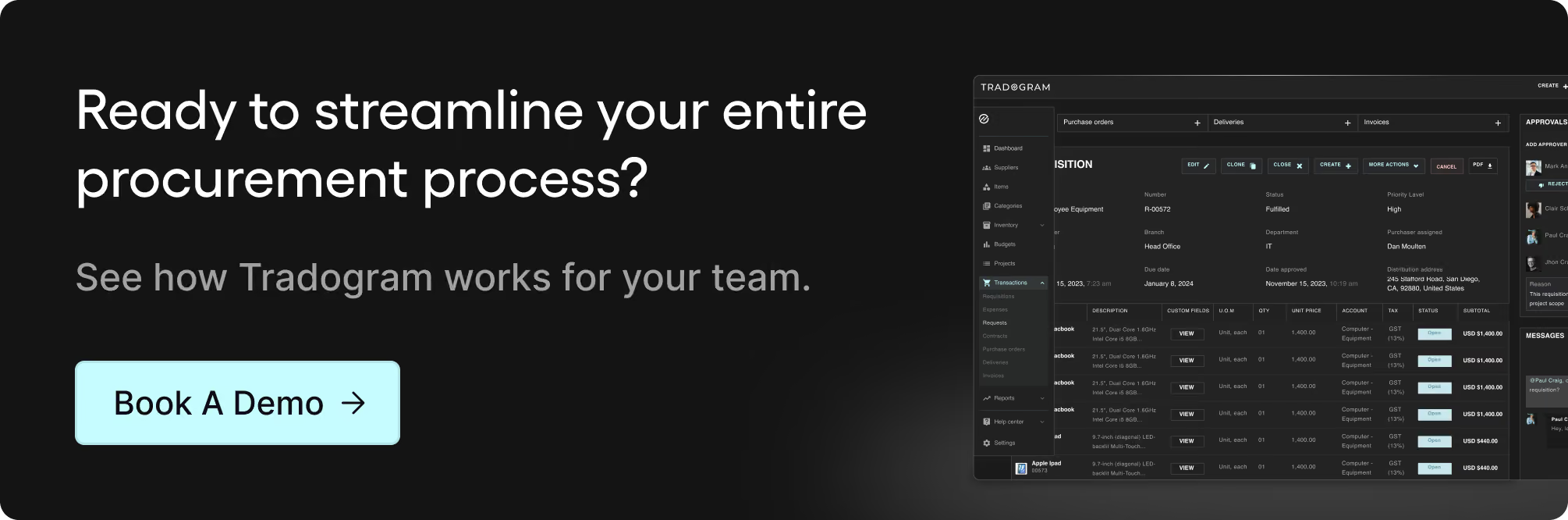
Using procurement software like Tradogram can transform how procurement teams operate. Tradogram automates purchase requests, approvals, order management, and supplier communications in one easy-to-use platform. It helps reduce manual errors, provides real-time visibility into procurement activities, and improves stakeholder collaboration. With powerful reporting features, teams can quickly analyze performance and make better decisions.
Invest in Ongoing Training and Development
Procurement is a fast-evolving field with new trends, technologies, and regulations. Regular training keeps procurement specialists updated on best practices, negotiation tactics, regulatory changes, and industry innovations. Investing in professional development boosts individual performance and fosters a culture of continuous improvement within the procurement team.
Why Choose Tradogram for Procurement Management?
Choosing the right procurement management solution can significantly improve efficiency, cost savings, and supplier collaboration. Tradogram offers an intuitive platform that simplifies every aspect of the procurement process.
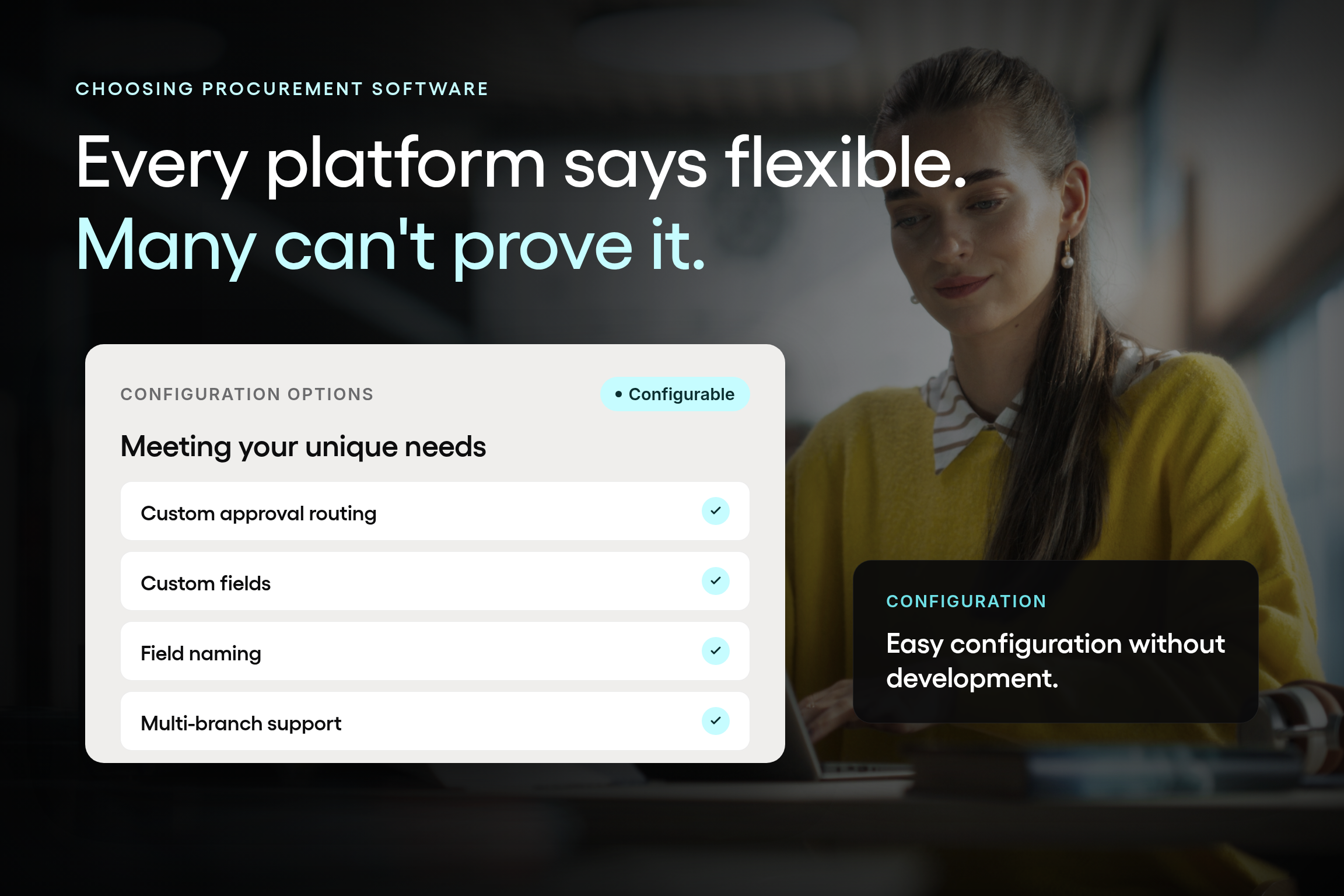
From automated purchase orders to real-time reporting, Tradogram empowers teams to work smarter, not harder. Its flexible setup and customizable features suit businesses of all sizes. Discover how Tradogram can transform your procurement operations today.