
Procurement in education plays a pivotal role in ensuring schools and universities have the resources they need to support learning, all while staying within budget. However, it is often an overlooked aspect of school operations. Effective procurement helps institutions manage costs while meeting their specific needs for teaching, learning, and administration.
In this guide, we’ll break down the basics of procurement in education and offer practical tips for mastering the process.
Understanding Procurement in Education
Before delving deeper into the procurement process, it’s important to understand what procurement in education involves. At its core, procurement in education refers to acquiring the goods and services needed for both academic and operational purposes—from textbooks to infrastructure. The goal is to ensure cost-effective purchasing while meeting the institution’s specific requirements.
Procurement in education also comes with a set of legal and regulatory considerations. Adhering to public spending guidelines, competitive bidding rules, and other regulations ensures transparency and accountability.
Ethical procurement is equally important. It focuses on integrity, fairness, and avoiding conflicts of interest. Ethical practices ensure that suppliers are treated fairly and that purchases are made in a socially responsible manner.
Key Stakeholders in the Procurement Process
To fully understand the procurement process in education, it’s essential to recognize the key stakeholders involved:
- Educational Institutions: Schools and universities identify their needs and ensure purchases align with their goals and budgets.
- Procurement Officers: These professionals manage the purchasing process, negotiate contracts, and ensure compliance with policies.
- Teachers and Administrators: Their input helps prioritize essential resources that support teaching and operations.
- Suppliers: Vendors provide the goods and services required by educational institutions, ensuring quality and timely delivery.
- Government Authorities: These bodies influence procurement through funding, policies, and compliance requirements, ensuring transparency.
Steps for Successful Procurement in Education
To implement effective procurement practices, here are a few actionable steps to follow:
Identify Needs and Goals
The first step is assessing your needs and setting clear goals. Whether it’s classroom supplies, technology, or infrastructure, it’s crucial to collaborate with key stakeholders to get a clear understanding of what the institution requires.
Here’s what to do:
- Work with teachers, staff, and administrators to identify priority needs.
- Define specifications to ensure the products and services are suitable for educational purposes.
- Align identified needs with the institution’s strategic goals.
By aligning needs with goals, you ensure that procurement supports the overall mission of the institution.
Plan the Budget
Effective budgeting is crucial to ensuring that procurement decisions are financially sustainable. Allocating funds appropriately helps meet both immediate needs and long-term goals.
Here’s how to manage the budget:
- Review available funds and allocate them based on priority needs.
- Balance immediate procurement requirements with long-term financial sustainability.
- Ensure compliance with funding guidelines or grant conditions.
Select Vendors
Choosing the right vendors is critical for meeting procurement goals. By carefully evaluating your options, you can secure the best value and quality.
Here’s how to select the right vendors:
- Conduct market research to identify reliable and qualified suppliers.
- Issue Requests for Proposals (RFPs) or Requests for Quotes (RFQs) to foster fair competition.
- Evaluate bids based on quality, pricing, and alignment with requirements.
Using a supplier sourcing tool—often integrated into professional procurement software—can save time and streamline this process.

Negotiate Contracts
Once you’ve selected the right suppliers, it’s time to negotiate contracts. Ensuring that contracts are clear, fair, and protect the institution’s interests is key to securing the best value.Key contract negotiation steps:
- Finalize terms, including costs, delivery schedules, and service guarantees.
- Ensure contracts comply with legal and institutional policies.
- Obtain necessary approvals before formalizing agreements.
A successful contract negotiation lays the foundation for a positive, long-term supplier relationship.
Monitor and Evaluate
Ongoing monitoring and evaluation of procurement processes are essential for continuous improvement. This helps identify areas for improvement and ensures that procurement goals are being met.Here’s how to monitor and evaluate:
- Verify the quality and timeliness of goods and services delivered.
- Assess supplier performance against contract terms and expectations.
- Document lessons learned to improve future procurement practices.
Setting criteria and KPIs for each procurement process and measuring them over time will help ensure continuous improvement.Tips to Improve Procurement in Education To enhance procurement practices in education, consider these tips:
- Establish Transparent Processes: Use technology to enhance transparency and ensure fair procurement practices.
- Streamline Processes: Simplify procurement steps by using standardized procedures and digital tools to track purchases, reducing delays and ensuring consistency.
- Avoid Conflicts of Interest: Collaborate with vendors that provide the best value rather than those with personal connections.
- Embrace Sustainable Practices: Ensure that suppliers follow sustainable procurement processes to avoid reputational risks.
- Build Strong Supplier Relationships: Long-term relationships with trusted suppliers can lead to better deals, discounts, and priority service during emergencies.
Master Procurement in Education with Tradogram
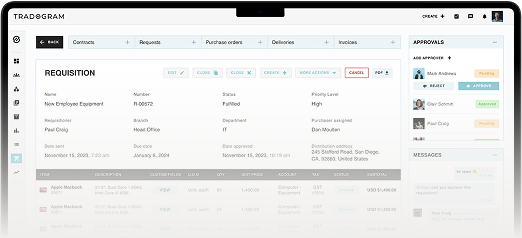
If you're looking for a powerful software solution to streamline procurement in education, Tradogram is the ideal choice. Tradogram offers a comprehensive suite of tools to help manage procurement effectively. From supplier relationship management to inventory tracking and real-time analytics, Tradogram has everything you need to optimize procurement processes in education.To learn more about how Tradogram can help you master procurement in education, contact us today. Our team is here to assist you in streamlining your procurement operations and ensuring success.