

Procurement policy is a very helpful tool in managing business’s purchasing decisions and processes. It helps organizations to deduct unnecessary costs, mitigate risks, and even improve supplier relationships. So, at its core, it is a necessary policy for every organization, including nonprofits.
But what exactly is a procurement policy for nonprofits, and how to create a successful one? Let’s find out in today’s article.

Importance of Procurement Policy
Procurement policies are implemented by businesses to optimize their purchasing processes and decisions. Essentially, it is a wholesome process that involves a set of established rules and procedures regarding business purchases. The main aim of this policy is to seek a balance of quality and price, finding the most suitable solutions for the company.
This policy is vital for organizations as it helps them manage their resources properly. For instance, your organization’s procurement policy can reduce spending by forming long-term relationships with responsible suppliers. This also ensures timely delivery of the goods.
Another reason why this policy is vital is risk mitigation due to the fact that the policy consists of established processes designed to reduce risks. So, if your team members or a person responsible for business purchases follows this policy procedure, then business operations must run smoothly without delays.
Elements of a Successful Procurement Policy for Nonprofits
The Main elements of a good procurement policy include:
- SMART objectives. As with any other policy or strategy, to be successful, you must have clear goals. So, set specific, measurable, achievable, realistic, and time-specific objectives relevant to your organization.
- Plan. You should have a plan on how to achieve the set objectives and goals of your policy. To start the planning processes, analyze the current data regarding purchases and budgeting of your organization, then proceed with improvement suggestions.
- Efficient relationship management with the suppliers. When selecting suppliers for long-term collaboration, make sure to negotiate the most favorable conditions for your organization. You should strive for long-lasting relationships yet also take into account potential risks.
- New technology to optimize the processes. Procurement policy requires tracking and measurement for further improvements, and those can be tedious as a manual task. So, make sure to incorporate software technologies to optimize your policy management.

How to Develop an Effective Procurement Policy for Nonprofits?
As far as we are clear on the concept of procurement policy and the main elements of a good one, let’s move on to the practical part. This section aims to assist your nonprofit organization in creating an effective procurement policy.
#1 Develop a Spending Policy
First and foremost, you will need to develop a proper spending policy for your nonprofit. As a nonprofit organization receiving funds to contribute to societal good, optimal resource allocation and risk management are vital.
To develop a successful strategy, make sure to consider both internal and external spending. Understand the goals of funding a specific cause and likely return on it. Your spending policy must align with the mission of your organization.
As a nonprofit, you might also face limitations and restrictions when it comes to spending based on the donor’s requirements regarding funds. So, make sure you take these into account when creating a policy.
Also, as part of the spending policy, set up transparent report systems. It is a key element for building trust and credibility among different stakeholders.
#2 Set Vendor/Supplier Selection Criteria
Selecting vendors can be a hard and tedious task. In fact, lots of questions arise when it comes to vendor selection. The key to easing this process is to set criteria first. How to do it? Pay attention to these aspects and evaluate the importance of each for your nonprofit.
- Quality of the goods and services offered. High prices may not always indicate good quality or the other way around.
- Prices of the goods and services. Consider your budget and optimal resource allocation strategies before selecting a supplier.
- Risks. Always consider risks associated with the specific supplier/vendor.
- Environmental impact. What is the environmental impact the supplier has? Are they implementing strategies to reduce carbon footprint? Evaluate the vitality of this criterion for your organization.
After you are clear on the criteria, proceed with the selection based on your answers. This will help you to choose vendors that match the criteria and prioritize what is optimal for your nonprofit.
#3 Optimize the Processes
Process optimization is another key element of success when it comes to effective procurement policies. Your primary focus at this stage should be your team, specifically the responsibilities of each of the members.
So, start by assigning specific roles and sets of responsibilities to your team members. This is an important step you do not want to skip. Why? Because involving team members across the organization in purchasing decisions helps to build a greater sense of accountability.
Your team members will not only be involved in the purchase processes but also be able to give actionable suggestions on further improvements. Unless you are part of the established process, it is hard to give a good recommendation.
#4 Keep Track of Transactions
Last but not least, it is important to keep track of transactions within your organization. In order to ensure the efficiency of your procurement policy, you must be aware of how well everything works regarding spending optimization and supplier management.
Regularly analyze and evaluate spending reports to improve the efficiency of resource management.

Spending Optimization for Nonprofits
At the end of the day, to ensure the success of your nonprofit, you must stay up-to-date with today’s fast-paced business environment.
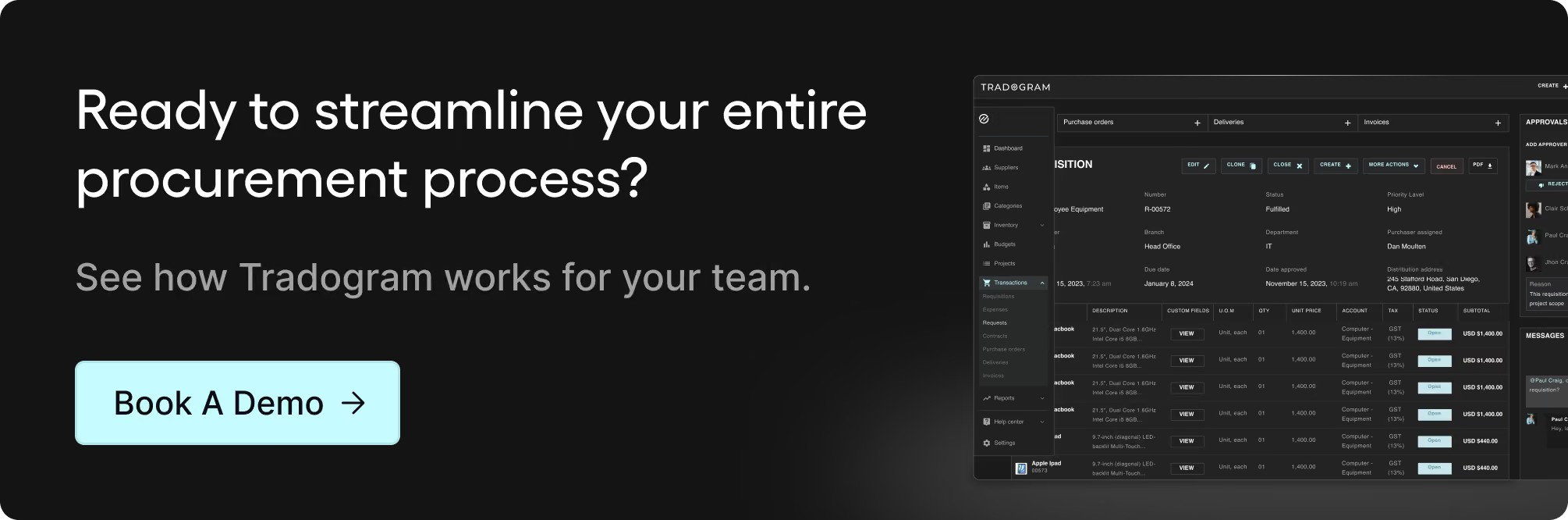
The procurement policy is great, but it requires lots of manual effort to track and improve results. Luckily, there are tools that will help your organization save resources and time on tasks that can be automated. Tradogram is a procurement software for nonprofits, helping organizations to optimize their spending and increase their impact.
Tradogram offers supplier management tools, a strategic sourcing engine, and procure-to-pay tracking solutions. So, when you have a set budget and limited time, we are here to help you.