


Supplier diversity is a key driver of innovation, resilience, and competitive advantage in today’s interconnected business landscape. Failing to diversify the supplier base leads to various business challenges and risks.
This article will review everything regarding supplier diversity, from its importance and benefits to strategies for diversifying your supplier base. So, let’s dive into it.
What is Supplier Diversity
Supplier diversity is a business strategy that ensures a diverse supplier base in the procurement of goods and services for any organization. It is about creating a balanced and inclusive supply chain by engaging with suppliers that bring unique capabilities, innovative solutions, and alternative perspectives to meet business needs.
Importance of Supplier Diversity
By diversifying your supplier base, your organization will be able to:
- Promote ethical business practices by supporting underrepresented and minority-owned businesses.
- Aligns with corporate social responsibility commitments, enhancing the organization’s public image.
- Provides more cost-saving opportunities.
Benefits of Supplier Diversity
Supplier diversity is important for several reasons. It equips organizations with benefits such as innovation, enhanced resilience, and cost savings.
Innovation
Innovation thrives when ideas and perspectives collide. Supplier diversity introduces innovation and allows businesses to solve problems creatively and develop unique solutions.
Enhanced Business Resilience
A diverse supplier base enhances resilience and helps to reduce over-reliance on a single supplier. By reducing dependency in case of disruptions, your business’s resilience increases.
Wider Market Opportunities
Diversifying your supplier base allows you to tap into new markets and explore more opportunities. For instance, you may find better quality goods and services at a better price.
Cost Savings
Working with a variety of suppliers can lead to cost efficiencies. Smaller or niche suppliers often operate with leaner overheads, allowing them to offer competitive pricing. Also, fostering competition among a diverse supplier base can reduce costs while maintaining quality and service standards.
Improved Supply Chain Flexibility
Supplier diversity enhances flexibility by creating a broader network to meet business needs. Diverse suppliers are often more agile and willing to customize solutions, enabling companies to adapt quickly to market shifts, seasonal demands, or unexpected challenges. Relying on one supplier for delivery of certain types of products reduces flexibility.
Reduces Risks
Reliance on a single or limited group of suppliers increases risks and makes your organization more prone to supply chain disruptions. Supplier diversity mitigates this risk by distributing dependency across multiple vendors, industries, and regions.
Competitive Advantage
A diverse supplier network enhances innovation and responsiveness. It allows organizations to differentiate in the market and reflects a commitment to strategic sourcing.

Strategies to Diversify Supplier Base
To successfully diversify your supplier base, you need to do the following.
Conduct a Comprehensive Supplier Assessment
Start conducting a comprehensive supplier assessment by:
- Evaluate your current supplier portfolio to identify gaps in diversity and representation.
- Use data analytics to understand supplier performance, capacity, and potential.
- Engage with existing suppliers to understand their approach to diversity and inclusion.
Establish Clear Diversity Goals
To efficiently move forward, make sure to establish clear and strategic goals.
- Define measurable objectives, such as increasing spend with diverse suppliers by a specific percentage.
- Align diversity goals with broader organizational values and sustainability initiatives.
- Communicate these goals across all levels of your organization to ensure alignment.
Expand Supplier Outreach Efforts
To successfully diversify your supplier base, start outreach efforts. A few ways to do so include the following:
- Attend events, expos, and conferences to connect with diverse suppliers.
- Leverage social media and online platforms to make outreach efforts more inclusive and effective.
Leveraging Technology
Leverage the power of modern technology to source suppliers.
- Implement supplier management software to streamline onboarding and assess diversity metrics.
- Use data-driven tools to identify diverse suppliers and evaluate their compatibility with your needs.
- Automate tracking and reporting to ensure transparency in diversity initiatives.
Build Long-Term Relationships
In order to build long-term relationships with the suppliers, make sure to:
- Offer mentorship or training programs to help suppliers grow alongside your business.
- Provide regular feedback to suppliers to strengthen performance and collaboration.
- Recognize and reward suppliers for exceptional contributions to your supply chain.
Monitor and Measure Diversity Initiatives
To ensure the successful implementation of practices, make sure to monitor and measure progress:
- Develop a robust system to track key performance indicators related to supplier diversity.
- Conduct regular audits to ensure diversity goals are being met effectively.
- Use reporting insights to adjust strategies and improve diversity outcomes over time.
Improve Supplier Relationship Management with Tradogram
If you are looking for a comprehensive solution to diversify your supplier base and successfully manage supplier relationships, then you are in the right place.
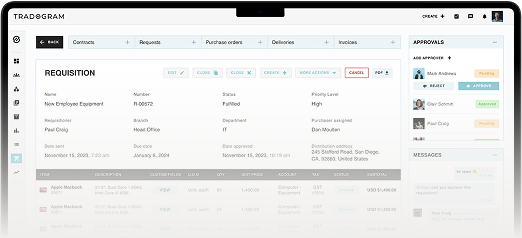
Tradogram offers all-in-one supplier performance management software to streamline and elevate supplier management and build long-term partnerships that drive high ROI. The features range from supplier scorecards and tracking tools to inventory management and analytics.
Contact us to learn more about what Tradogram has to offer for effective supplier diversification and relationship management.