

Every procurement software conversation reaches the same moment. You explain how your industry buys, and the person on the other end tells you the platform is flexible enough to handle it. You're not reassured, because you've heard that before, and because you know there's one requirement that would break the whole thing if it got missed.
The problem is that you probably can't name which one it is yet. Most industry differences in purchasing are both real and irrelevant. A few are neither.
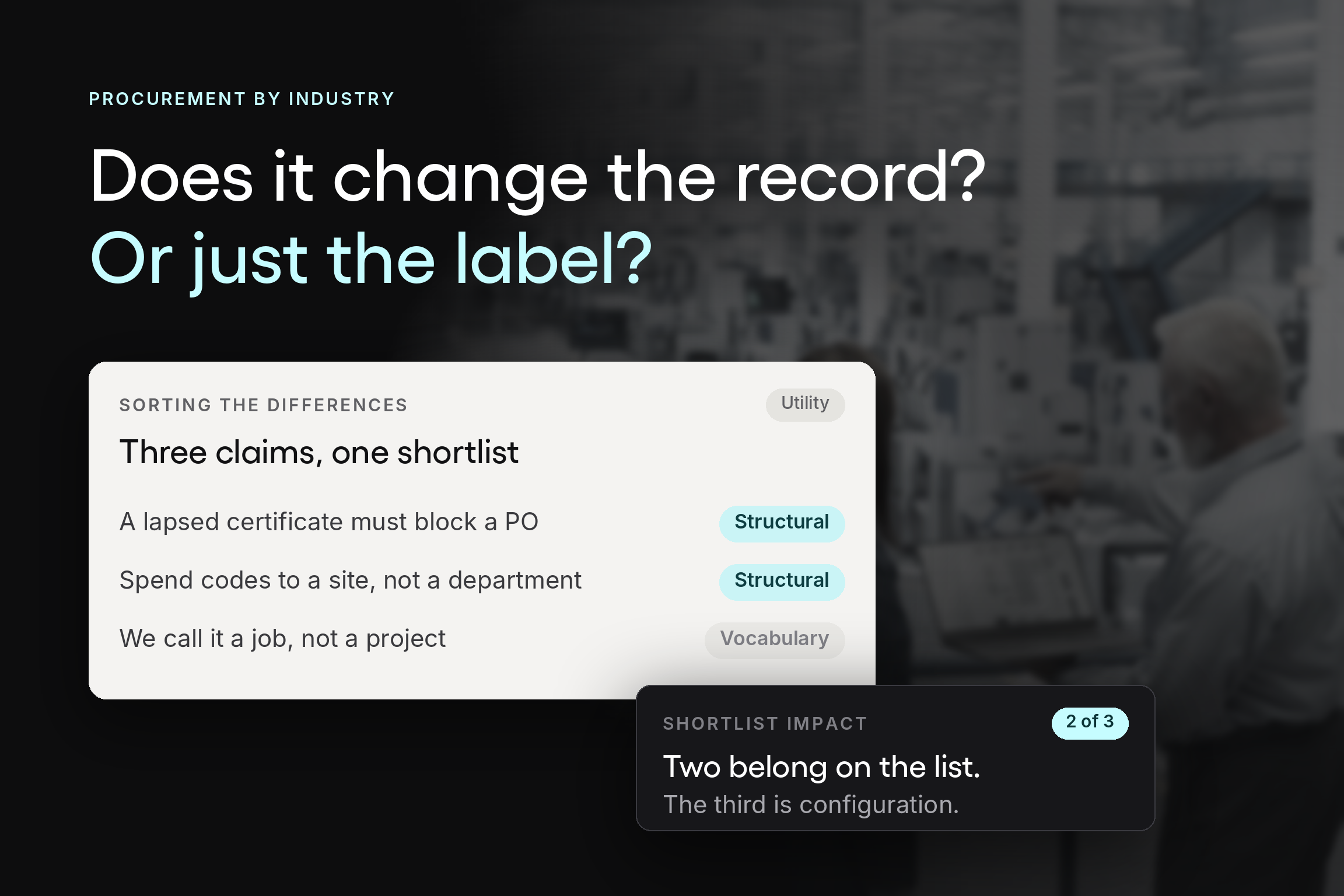
Procurement requirements differ by industry in two ways that are easy to confuse. Some differences change what a purchasing system must record and control, including documentation that must stay valid over time, funding that carries spending restrictions, and the dimension spend is coded against. Others change only the vocabulary used for the same workflow. The first kind should shape a software shortlist. The second kind should not. Across most industries, the underlying sequence stays the same: a request, an approval, an order, a receipt, and an invoice matched against both.
Industry isn't the only variable either. Two hospitals of different sizes can differ more from each other than one differs from a manufacturer of the same size, which is a question of how buyer requirements vary between organizations rather than by sector. This article stays on the industry axis.
What follows sorts the differences across nine sectors: energy and utilities, technology, public sector, manufacturing, construction, healthcare, hospitality, education, and nonprofit. If you want the commercial view of any of them, procurement software by industry covers each one directly. Otherwise, start with the sorting question, because it's the part that changes what you do next.
Which industry differences actually change what a system must do
Start with a utility running four field crews.
Contractor safety certifications live in a spreadsheet that someone updates when they remember. One certification expires in March. In April, a crew lead raises a purchase against that contractor because nothing connects the spreadsheet to the request form. Someone approves the purchase without any way of knowing the certification lapsed. The work gets done. The problem surfaces nine months later during an audit, and by then the question isn't whether the work was safe; it's why the organization couldn't tell.
Read that failure carefully, because it isn't what it looks like. The system didn't lack an energy module. It lacked a connection between a document's validity and a purchase approval. That distinction is the whole sorting question.
Three categories of difference genuinely change what a purchasing system has to be able to do.
1. Documentation that has to stay valid over time. Nearly every system can attach a file to a supplier record. The requirement in energy, construction, and parts of healthcare is different: a lapsed document must be able to stop a purchase. Insurance certificates, safety certifications, licenses, and qualifications all expire on their own schedule, independent of any purchase. If validity isn't checked at the moment a request is raised, the check effectively doesn't exist.
2. Funding that carries restrictions. A grant is not a budget line with a smaller number on it. It's a budget line with rules about what it can be spent on, often with a period attached and a reporting obligation at the end. That changes budget architecture rather than budget amounts, and it means the system has to track restricted funds separately while still showing total spend. This requirement cuts across nonprofit, education, and public sector, three verticals that rarely think of themselves as having anything in common.
3. The dimension that spend is coded against. Most organizations code spend to a department. Construction codes to a job. Energy codes to a site, an asset, or a capital project. Education codes to a campus or a grant. Manufacturing codes to a production run. This determines what reporting is possible at all, which is why it's the category most often mistaken for a dealbreaker. It usually isn't one, because a configurable system can hold the dimension you need. But if it can't, no amount of workflow quality makes up for it.
Now the other pile. These come up in nearly every industry conversation, and none of them should affect an evaluation.
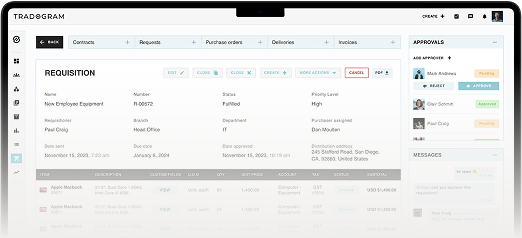
Tradogram holds supplier qualifications, certifications, and documents against the supplier record, and a lapsed certification can block a requisition or purchase order (PO) where the organization has configured its procurement rules and supplier management settings to enforce it. That configuration step matters, and it's worth asking any vendor to show you rather than describe it.
The sorting rule: if a difference changes the structure of the record, it belongs on your shortlist. If it changes the label on the record, it doesn't.
Energy and utilities
Energy and utility purchasing is defined by two things: contractor certification that must stay current, and spend that must be traceable to a site, an asset, or a capital project rather than a department.

The certification problem is the one described above, and it's structural. Field contractors carry qualifications that expire, and the purchase that engages them is often raised by someone on site rather than in an office. The gap between the document and the decision is where the risk lives.
The coding problem is quieter but shapes everything downstream. A purchase that belongs to a substation rebuild is not the same as a purchase that belongs to routine operations, and the distinction between capital and operating spend has consequences well beyond procurement. If the system can only code to a department, the capital reporting has to be rebuilt by hand every time someone asks for it.
There's an approval problem too, and it's the one crews feel. Approvers are in trucks, at sites, and on rights-of-way, not at desks. An approval process that assumes a laptop is an approval process that stalls.
Utility Procurement covers supplier sourcing, contractor qualification and certification documentation, spend visibility across sites and projects, mobile approval for field crews, and reporting by site, project, asset, or vendor.
Genuine structural requirement: certification validity that gates a purchase, and spend coded to a site or asset rather than a department.
Technology
Technology companies often ask why they need purchasing software at all, since they don't buy materials, hold inventory, or run a warehouse. The answer is that their control problem sits somewhere else in the cycle.
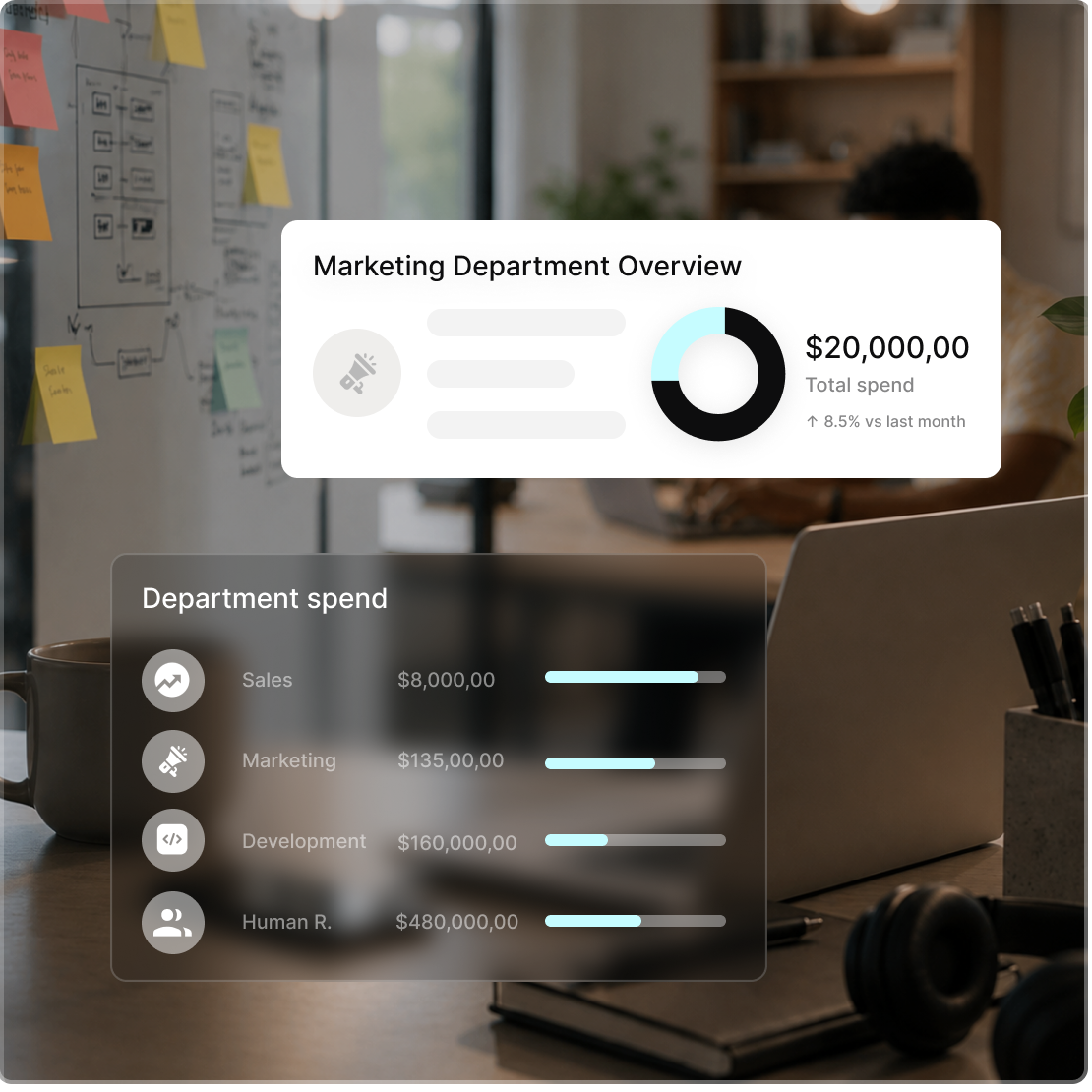
Technology purchasing is dominated by recurring software subscriptions bought by individual teams. The purchase decision is small, fast, and distributed, which feels manageable. The renewal is the problem. A subscription that auto-charges on its anniversary is never re-decided by anyone, so the spend continues without a decision behind it and shows up as a line on a statement rather than a request.
The predictable outcome is four teams holding four overlapping tools, none of which anyone chose to keep. Nobody made a bad decision. The renewals simply arrived without a decision point attached.
That makes the requirement here contract and renewal visibility, not approval complexity. A technology company usually doesn't need multi-level approval chains. It needs to know what's renewing in the next ninety days and who owns it, which is a contract management question. The second requirement is budget visibility at the point of request, so a team lead can see what their department has already committed before adding another tool.
Technology Procurement covers the platform view. If you're evaluating specifically for IT spend, we've written separately about choosing an IT procurement solution.
Genuine structural requirement: renewal and contract visibility, not approval depth.
Public sector
Public sector purchasing adds formality, documentation, and budget-cycle timing to an otherwise recognizable workflow. The underlying sequence is the same as everyone else's. What changes is how much of it has to be provable afterward.
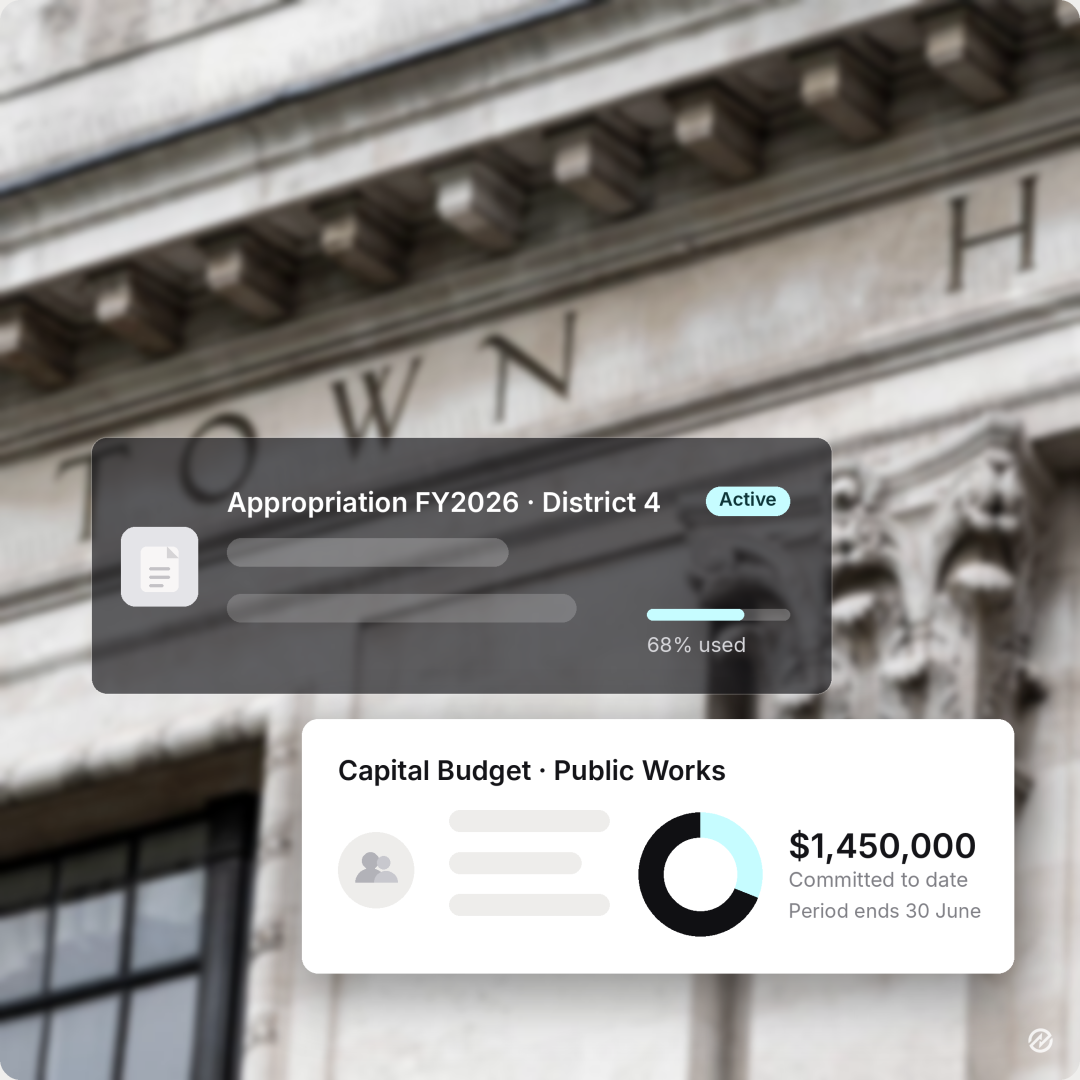
Three things drive that. Approval chains tend to be more formal and more layered, with authority defined by policy rather than by convention. Funds are appropriated with periods attached, so the question isn't only whether money remains but whether it remains in the period it was allocated for. And records have to survive: a purchase can be questioned long after the people involved have moved on.
Picture a purchase questioned nine months later. Everyone involved is confident it was handled properly, and none of them can prove it, because the approval happened in an email thread that lives in an inbox nobody has access to anymore. The purchase was fine. The record wasn't.
That's why the useful question for a public sector buyer isn't whether a vendor serves the public sector. It's whether the system can produce a complete record of who approved what, against which budget, with which documents attached, at the moment of the decision.
Requirements vary by jurisdiction, and this article describes the general pattern rather than any specific statutory obligation. For more depth, see public sector procurement challenges and our overview of government procurement.
Genuine structural requirement: a complete, retrievable approval record, and funds restricted by period.
Manufacturing
Manufacturing is the closest of any sector to the textbook purchasing workflow, which is exactly why it gets underestimated. The steps are familiar. The pressure on them is not.
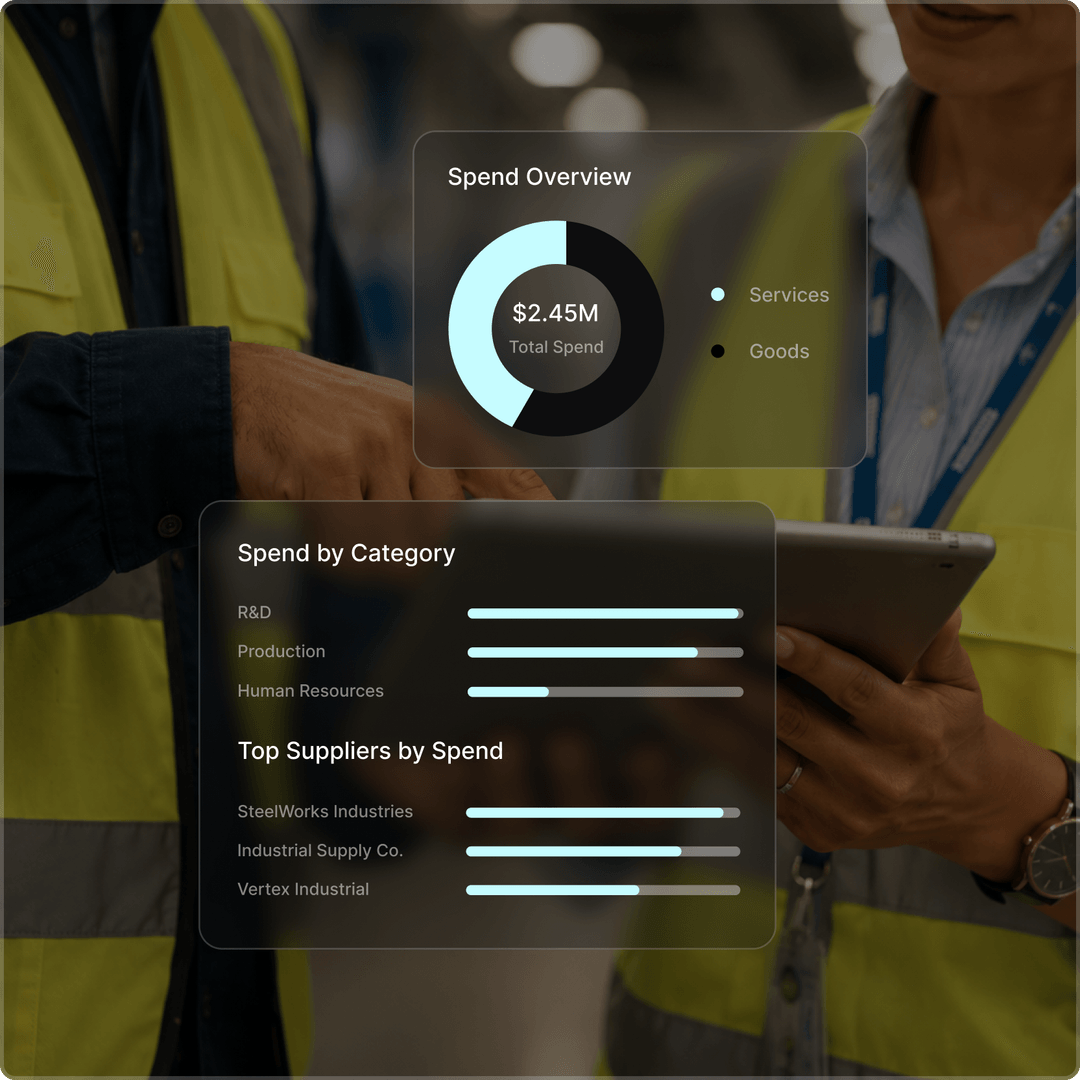
Lead times make approval delays expensive in a way they aren't elsewhere. A request that sits for three days in an office environment is an annoyance. The same delay against a component with a six-week lead time moves a production date. Supplier qualification matters for the same reason it matters in energy, since a lapsed certification for a material supplier has downstream consequences for the product. And spend often needs to code to a production run or a product line rather than to a department.
Control & Power Systems eliminated 100% of its paper trails and gained real-time visibility into project spending after moving off manual processes.
For the fuller treatment, see procurement in the manufacturing sector and Manufacturing Procurement.
Genuine structural requirement: approval speed that respects lead times, and coding to production rather than department.
Construction
Construction is the clearest case of project-coded spend anywhere in this list. Every purchase belongs to a job and that job's budget, not a department. Job costing isn't a reporting preference here; it's the organizing principle of the business.

The second requirement is documentation validity, in the same form Energy has it. Subcontractor insurance certificates and certifications expire mid-project, and the purchase that engages a subcontractor often gets raised at a site by someone who has no view of the certificate's status.
Site-level purchasing authority adds the third piece. People buy at the job site because waiting for a head office approval stops work, so the control has to travel to where the purchase happens rather than pulling the purchase back to head office.
Depth on all of this sits in procurement in construction and on the construction procurement page.
Genuine structural requirement: job-level cost coding, and subcontractor documentation that stays valid.
Healthcare
Healthcare splits into two purchasing problems that get treated as one, which is where most coverage of the sector goes wrong.
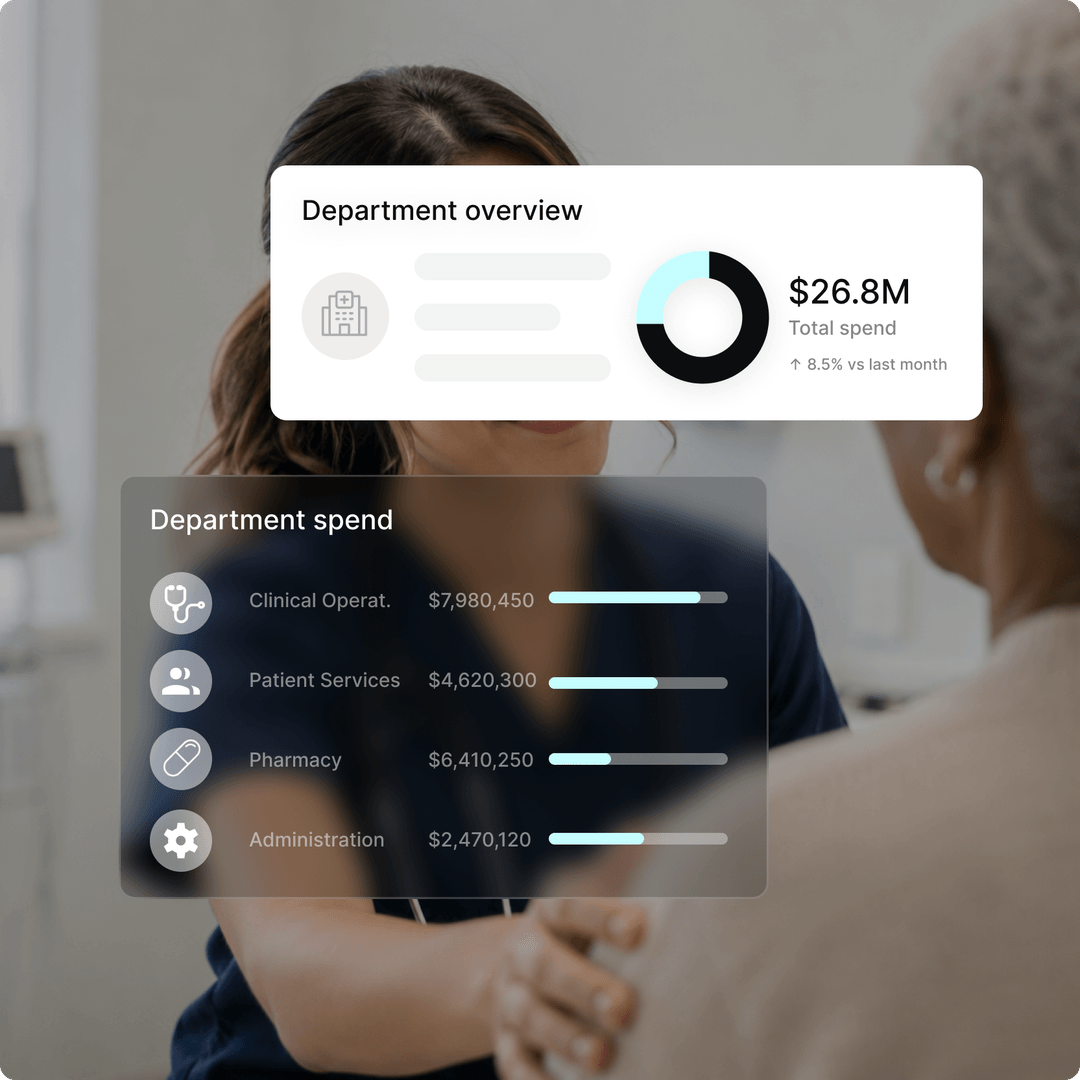
According to the FDA’s Unique Device Identification guidance and Health Canada’s guidance on medical device distribution records, clinical supplies can carry documentation and traceability requirements that administrative purchasing doesn't. Depending on the product, healthcare organizations may need to capture lot or batch numbers, serial numbers, expiration dates, device identifiers, and other information needed to quickly identify affected products. Health Canada specifically recommends recording identifying information, lot or control numbers, quantities, and dates received for medical devices. These requirements, along with the need to trace affected supplies in the event of a recall, influence what has to be recorded at receiving and maintained throughout the supply chain.
Everything else, and it's most of the volume, looks like every other organization's purchasing. Facilities, office supplies, IT, food service, maintenance, and professional services run the same request, approval, order, receipt, and invoice sequence found in any mid-market company. A healthcare buyer evaluating software on clinical requirements alone will over-specify for 20% of their spend and under-specify for the rest.
The stakes are different on the clinical side, though, and worth naming: a stockout in an office is an inconvenience, and a stockout in a clinical setting is a care problem.
River Edge Behavioral Health reported a 20 to 25% cost reduction and a 40 to 50% reduction in approval time. More on the sector in procurement in the healthcare sector and on the healthcare procurement page.
Genuine structural requirement: traceability on clinical categories, ordinary control everywhere else.
Hospitality
Hospitality buys constantly, in small amounts, at property level. The control problem is volume rather than complexity.
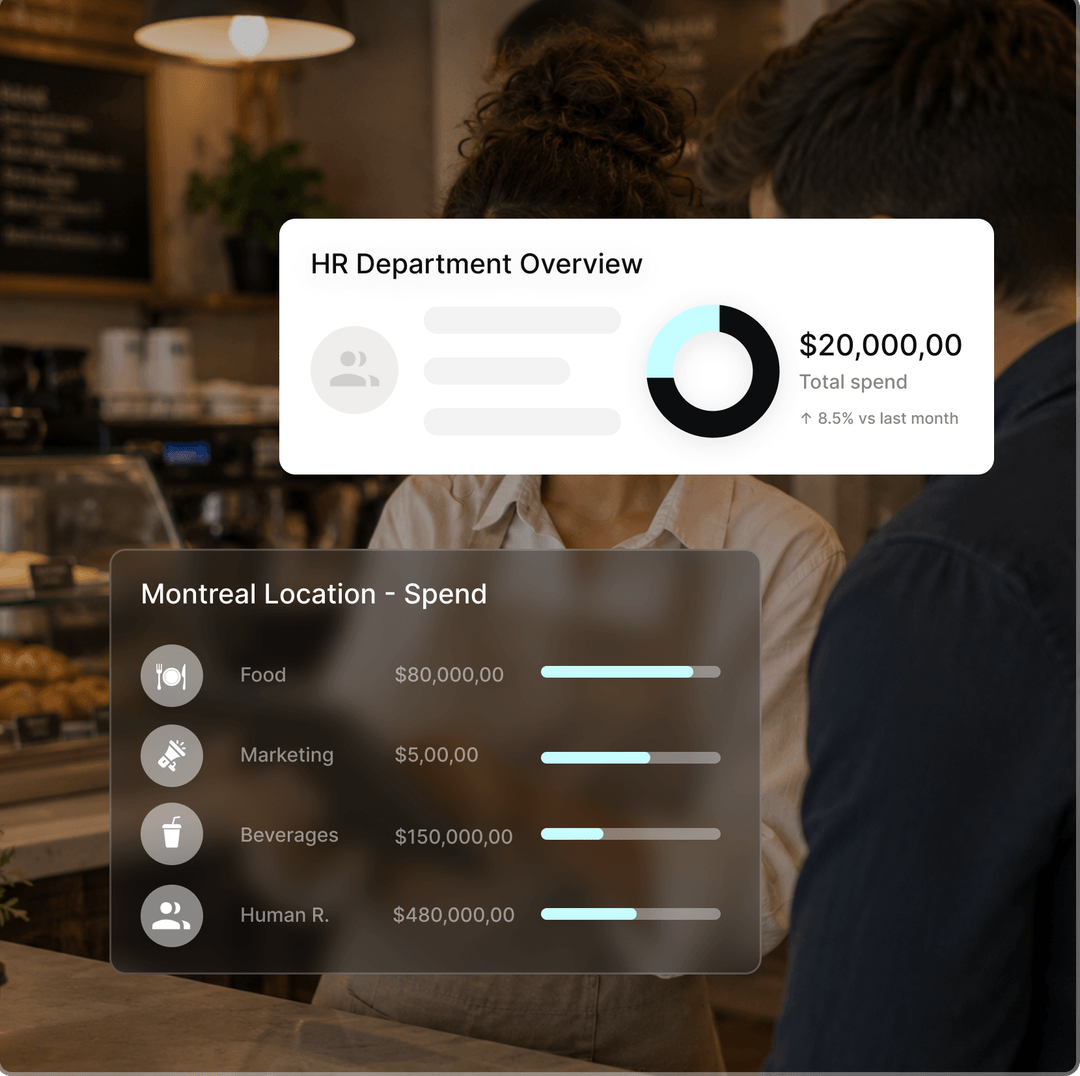
A single property may place dozens of orders a week across food, beverage, linen, cleaning supplies, and maintenance, most of them too small to justify a formal approval step and too numerous to review individually. Applying a three-tier approval chain to a produce order is how a system gets abandoned in week two.
What the sector needs instead is thresholds set low enough to matter and high enough to stay out of the way, budgets owned at the property, and visibility rolled up at the group. A general manager should be able to buy what the property needs without asking permission for everything, while the group can still see what every property is spending without waiting for month-end.
Hospitality procurement covers the multi-property view.
Genuine structural requirement: property-level budget ownership with group-level visibility.
Education
Education combines departmental autonomy with restricted funding, which is a harder combination than either one alone.
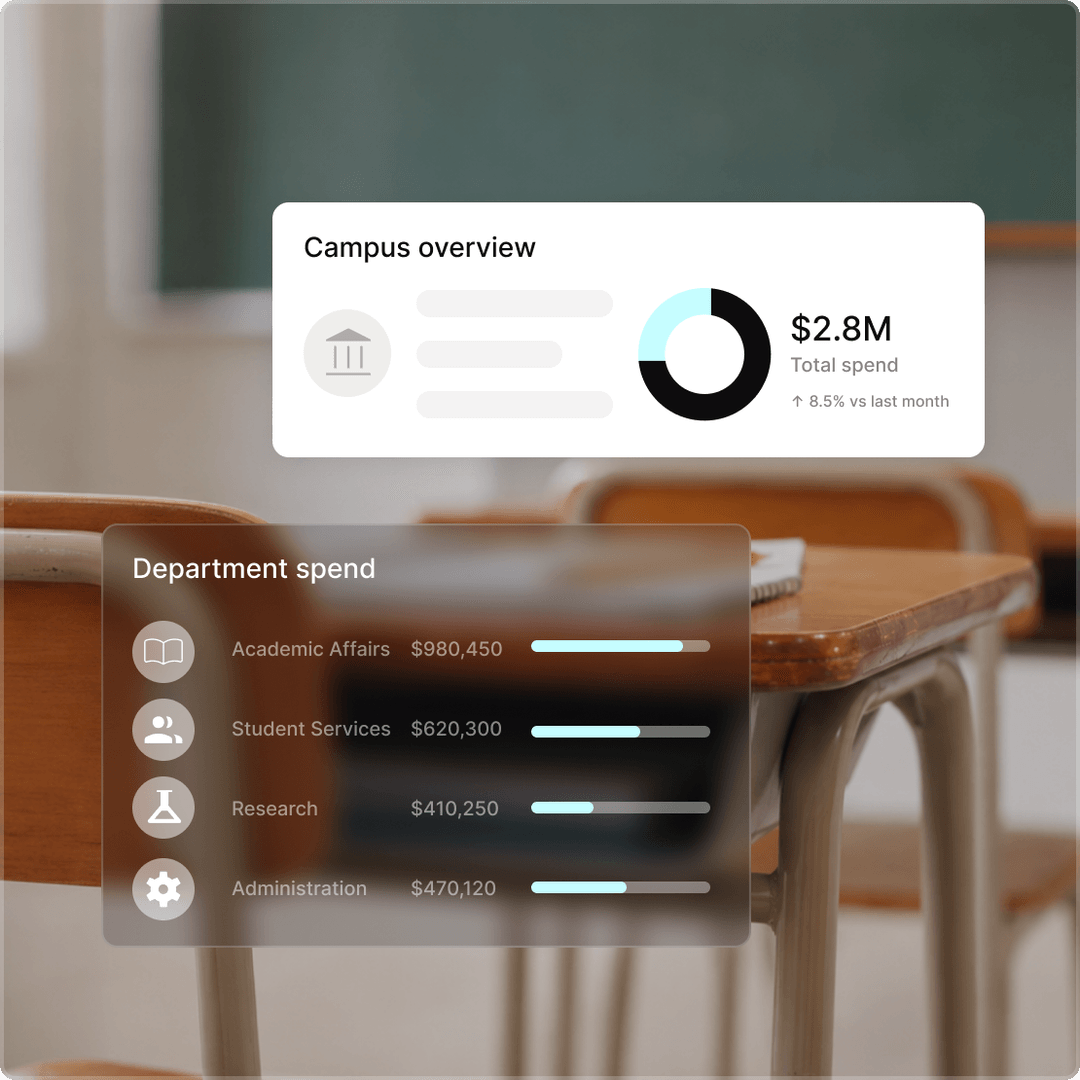
Departments and campuses control their own budgets and buy independently, which is appropriate and worth preserving. On top of that, a meaningful share of the money comes with restrictions: grant funding that can only be spent on certain things, restricted gifts, and fiscal-year timing that can strand an unspent allocation. Tracking that in a spreadsheet works right up until the moment someone asks which grant paid for a specific purchase.
A university procurement team working with Tradogram cut purchase order processing from two to three business days to under two hours and reported a 15% cost reduction, having previously walked between departments to collect approval signatures.
More in procurement in education and on the Education Procurement page.
Genuine structural requirement: restricted funds tracked separately from general budget.
Nonprofit
Nonprofit purchasing shares education's restricted-funding requirement and adds a reporting obligation on top of it.
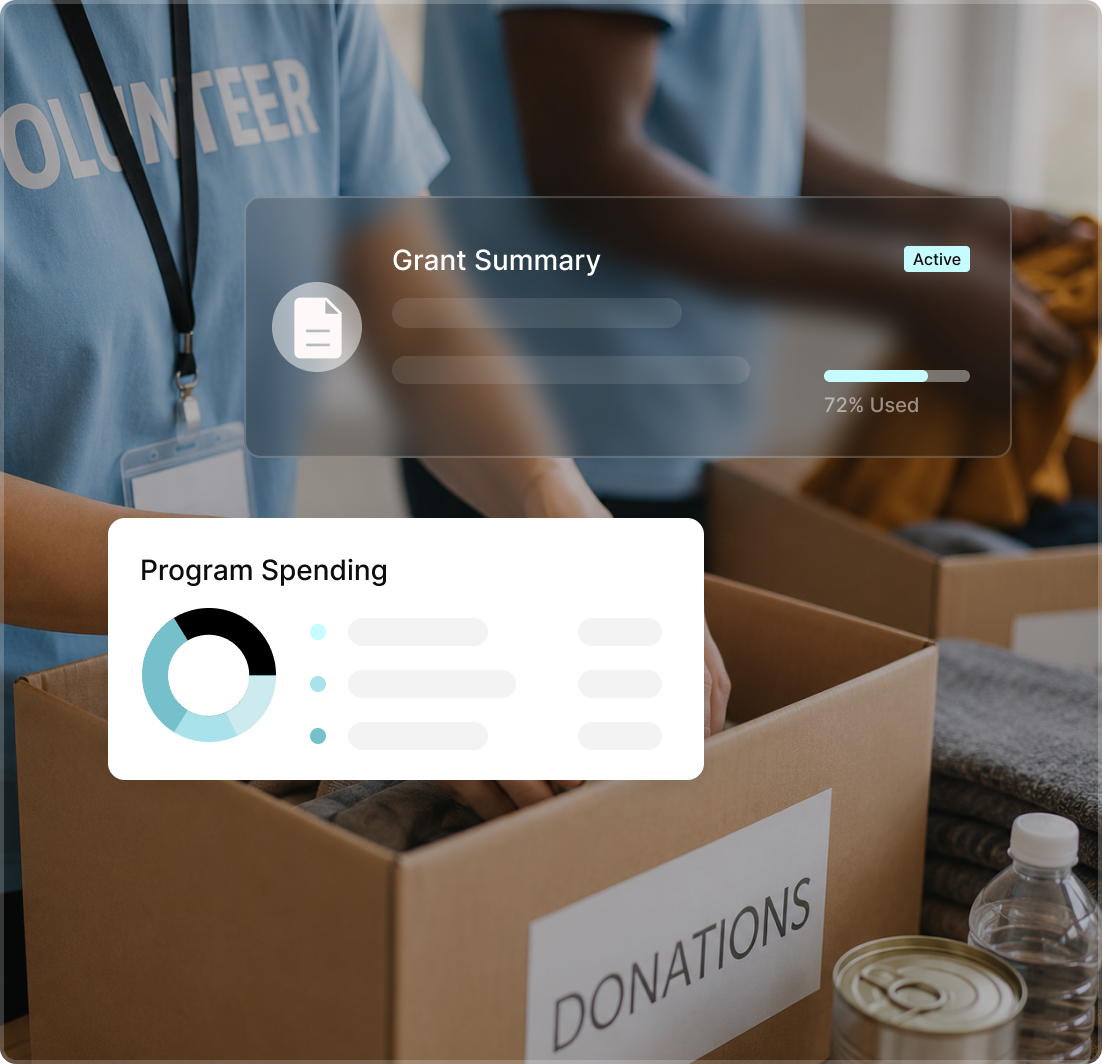
The difference is who asks. In education, the restriction is usually internal to the institution. In nonprofit, a funder will ask what their money bought, and the answer has to be defensible. That turns fund-level tracking from a convenience into an obligation, and it means the purchasing record has to hold the fund alongside the amount from the moment the request is raised, rather than being reconstructed at reporting time.
The second characteristic is scale of authority. Nonprofit teams are small, so individuals carry broad purchasing authority relative to the organization's size. That's efficient and it works, provided the record is complete.
One nonprofit using Tradogram cut its purchasing costs in half. See also nonprofit procurement policy and procurement for non-profits.
Genuine structural requirement: fund-level tracking that survives a funder's audit.
What stays the same in every industry
Three problems appear in all nine sectors, and they're what most organizations are actually solving for when they believe they're solving an industry problem.
The first is limited visibility into committed spend. Money is promised through approved purchases long before the invoice arrives, and in most manual processes that commitment is invisible until it lands. The second is approval delay caused by routing that lives in email. The third is budget overruns discovered after the fact, when nothing can be done.
All three have the same cause, and it isn't the reader's industry. It's that the steps aren't connected to each other. A request that doesn't check budget, an approval that doesn't reach the right person, and a purchase order that doesn't update a commitment are three symptoms of one gap.
We work with organizations across nine industries from a single platform, and the pattern that shows up most often is this: the requirement that feels sector-specific is usually a configuration, and the problem that feels ordinary is usually the expensive one.
Purchase approval software handles the routing question. Approval paths are defined by threshold, department, site, or category rather than a fixed template, so the requester stops deciding who to email and the approver stops figuring out whether a purchase was within someone's authority. An organization with four sites and three approval tiers runs one system instead of four informal conventions, and the record of who approved what exists without anyone assembling it.
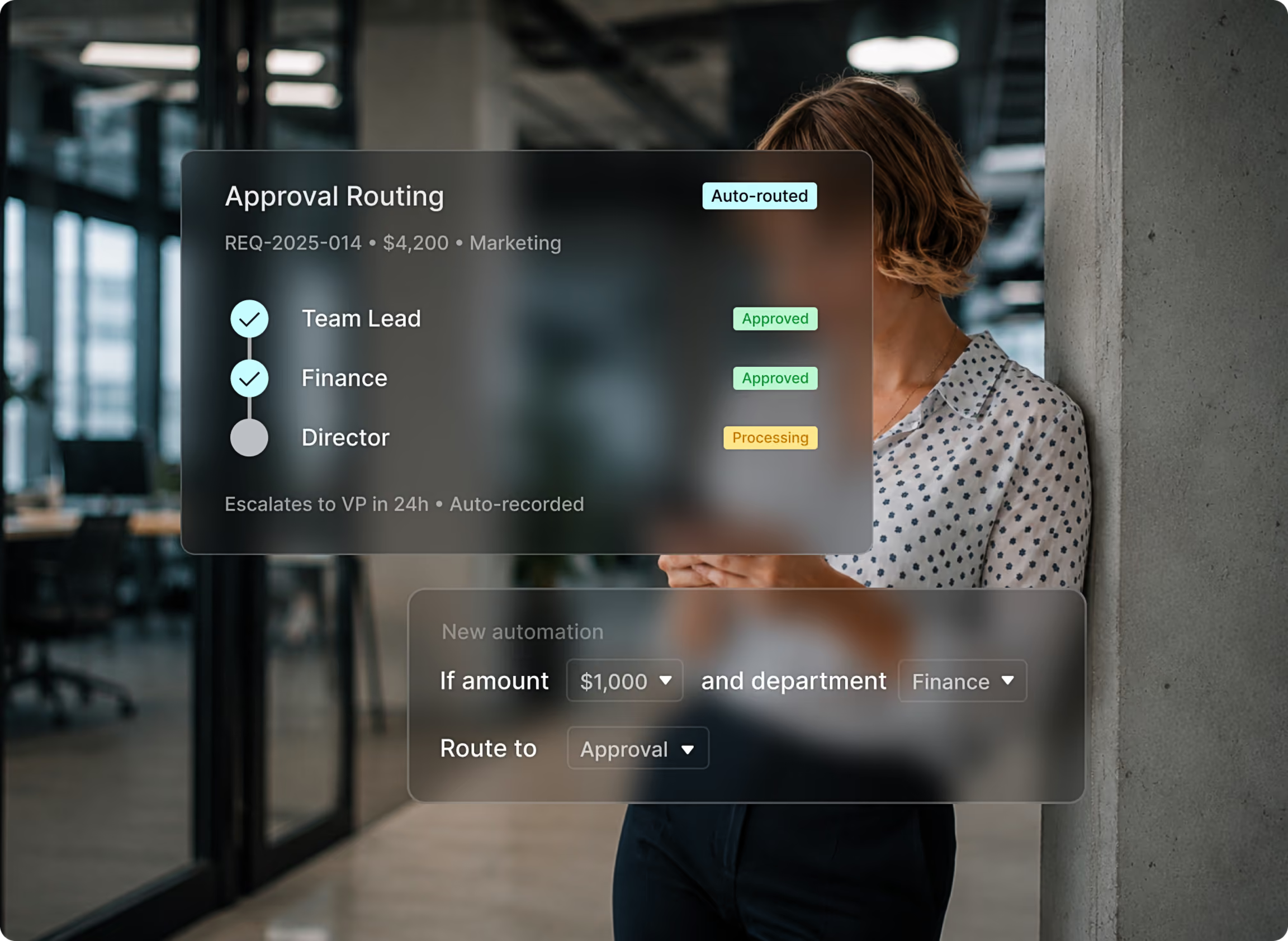
Budget control works the same way, one step earlier. Procurement spend management software enforces limits when a request is raised rather than reporting them after the invoice, moving overrun discovery from month-end to the moment of the request. That's the same capability whether the budget belongs to a job, a campus, a property, a grant, or a production line.
Worth noting where this shows up. Reed Global eliminated 100% of manual accounts payable data entry and doubled its procure-to-pay cycle speed. Reed is a recruitment firm, which is none of the nine sectors in this article. That's the point rather than an exception to it.
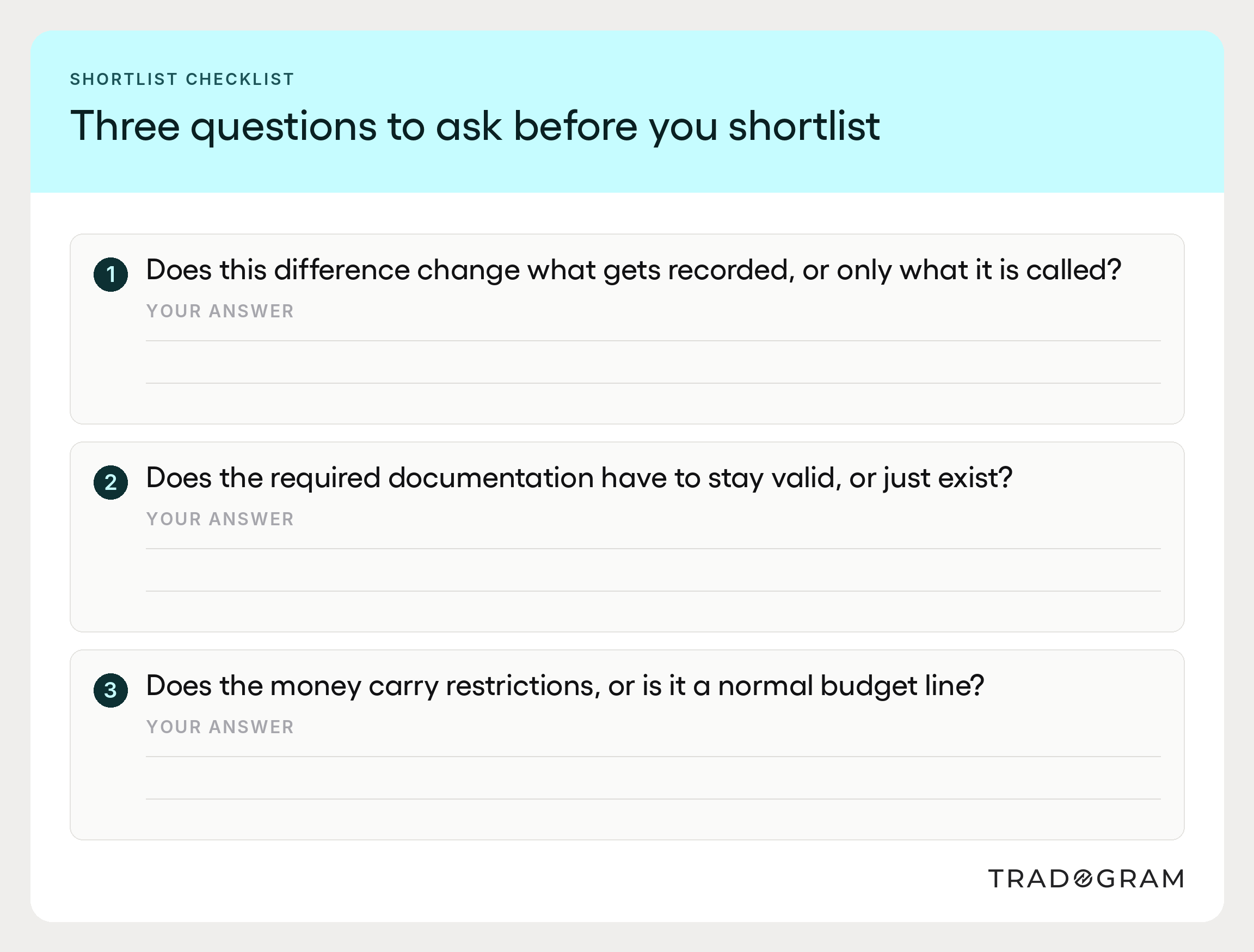
Three questions to ask before you shortlist
An industry label is a weak filter. These three questions are better, and they work for any vendor in any sector.
Does this difference change what gets recorded, or only what it's called? Run every "our industry is different" item through this first. Most of them are naming conventions, and naming conventions are configuration. If the answer is that something different has to be stored, keep going. If the answer is that the same thing has a different name, set it aside.
Does the required documentation have to stay valid, or just exist? If a document only has to be attached, almost any system will do. If a lapsed document has to be able to stop a purchase, you're asking for a control rather than a filing cabinet, and that's a question to put to a vendor directly.
Does the money carry restrictions, or is it a normal budget line? Restricted funds, grants, and appropriated money change the budget structure rather than its size. If your funding has rules attached to what it can buy, that has to be visible at the point of request, not reconciled afterward.
Answer those three, and you'll know whether your industry rules anything out. Most of the time it doesn't, and the evaluation gets simpler from there.
Find the guidance for your industry
Each of these pages covers how the platform is used in that sector, with the detail this article deliberately leaves out.
- Energy and utilities, for contractor qualification and site or asset-level spend
- Technology, for subscription, contract, and renewal control
- Manufacturing, for lead times, supplier qualification, and production coding
- Construction, for job costing and subcontractor documentation
- Healthcare, for clinical traceability alongside ordinary administrative spend
- Hospitality, for property-level buying with group visibility
- Education, for restricted funds and campus budget ownership
- Nonprofit, for fund-level tracking and funder reporting
- All industries, for the full view