
Reliance on vendors allows for increased efficiency. However, it also exposes companies to new risks. Managing these risks is important for safeguarding sensitive data, maintaining compliance, and ensuring uninterrupted operations.
In this article, we will explore vendor risk management, its importance, and the best practices to improve it.
What is Vendor Risk Management?
Vendor risk management (VRM) involves identifying, assessing, and mitigating risks associated with third-party organizations, including suppliers and vendors. It is a critical part of enterprise risk management as vendor performance impacts various business areas, from supply chain stability to brand reputation.
Importance of Vendor Risk Management
Vendor risk management is vital for several reasons:
- Prevent Costly Disruptions: Identifying and addressing risks early prevents disruptions that could harm business operations.
- Ensure Compliance: VRM helps ensure vendors comply with industry regulations, preventing legal penalties.
- Protect Sensitive Data: It safeguards sensitive business and customer data, maintaining trust with stakeholders.
6 Benefits of Vendor Risk Management
Effective vendor risk management offers several key benefits:
Improved Compliance with Regulations
The primary benefit of effective Vendor Risk Management (VRM) is enhanced compliance with regulations. By conducting thorough assessments and audits, businesses can ensure that their vendors adhere to relevant laws, guidelines, and best practices.
This proactive approach helps organizations mitigate the risk of non-compliance, which could otherwise lead to costly fines, legal actions, and damage to their reputation.
Enhanced Security and Data Protection
VRM reduces the likelihood of data breaches, protecting both company and customer information.
Cost Savings Through Risk Mitigation
One of the key financial benefits of effective Vendor Risk Management (VRM) is cost savings. By proactively identifying and managing potential risks, businesses can avoid costly disruptions, contract breaches, and penalties, ultimately protecting their bottom line.
Increased Supplier Accountability
Vendor Risk Management (VRM) promotes supplier accountability by establishing clear expectations and procedures. By informing suppliers about regular audits and ongoing monitoring, businesses encourage higher levels of responsibility, motivating suppliers to consistently perform at their best.
Optimized Vendor Performance Monitoring
Vendor Risk Management fosters supplier accountability by setting clear expectations and guidelines. By informing suppliers of regular audits and continuous monitoring, businesses ensure that suppliers remain committed to high performance and consistently meet standards.
Reputation and Brand Protection
A vendor's failures can harm your reputation as their partner, making risk management essential to protecting your brand. For instance, if a vendor engages in unethical sourcing practices, it could reflect poorly on your business. It’s crucial to know your vendors and assess potential reputational risks before moving forward with any collaboration.

Common Challenges of Vendor Risk Management
Several challenges may arise when managing vendor risks:
Difficulty in Assessing Vendor Risks
Manual processes are time-consuming and prone to errors, slowing down the risk assessment process.
Managing a Large Number of Vendors
As the number of vendors grows, it becomes harder to track and manage each relationship effectively.
Thus, it causes difficulties in maintaining up-to-date vendor information. Also, it leads to limited resources for monitoring vendor performance. Ultimately, these increase the risk of oversight.
Inconsistent Risk Assessment Processes
Without a standardized approach, different departments may assess risks inconsistently, leading to gaps in risk management.
Lack of Visibility into Vendor Operations
Limited insight into vendor processes makes it difficult to identify and mitigate risks.
How to Improve Vendor Risk Management
Incorporate the Right Technology
To improve vendor risk management, automation tools are essential for streamlining processes and enhancing efficiency. By leveraging the right technology, you can centralize vendor data and gain better visibility into key operations.
How can you implement the right tools? Start by investing in comprehensive vendor management software. Ensure that the software you choose includes features like automated workflows, document management, analytics, and forecasting capabilities to support your risk management efforts.
Standardize Risk Assessment Process
Create a consistent framework for evaluating vendor risks across your organization. To achieve this:
- Develop a detailed vendor risk assessment template that can be used consistently across all teams.
- Implement a scoring system to quantify risks and make data-driven decisions.
- Regularly review and update your assessment criteria to align with evolving regulations and business needs.
Foster Strong Vendor Relationships
Building and maintaining strong relationships with trusted vendors is crucial to minimizing risks. Vendors with whom you have established positive, ongoing relationships are less likely to cause disruptions. However, trust must be nurtured continuously.
Here are a few strategies to strengthen vendor relationships:
- Schedule regular meetings to discuss performance, expectations, and any concerns.
- Offer training and guidance on compliance standards to ensure vendors meet your requirements.
- Establish a feedback loop where vendors can report challenges and suggest improvements for the partnership.
Enhance Vendor Risk Management with Tradogram
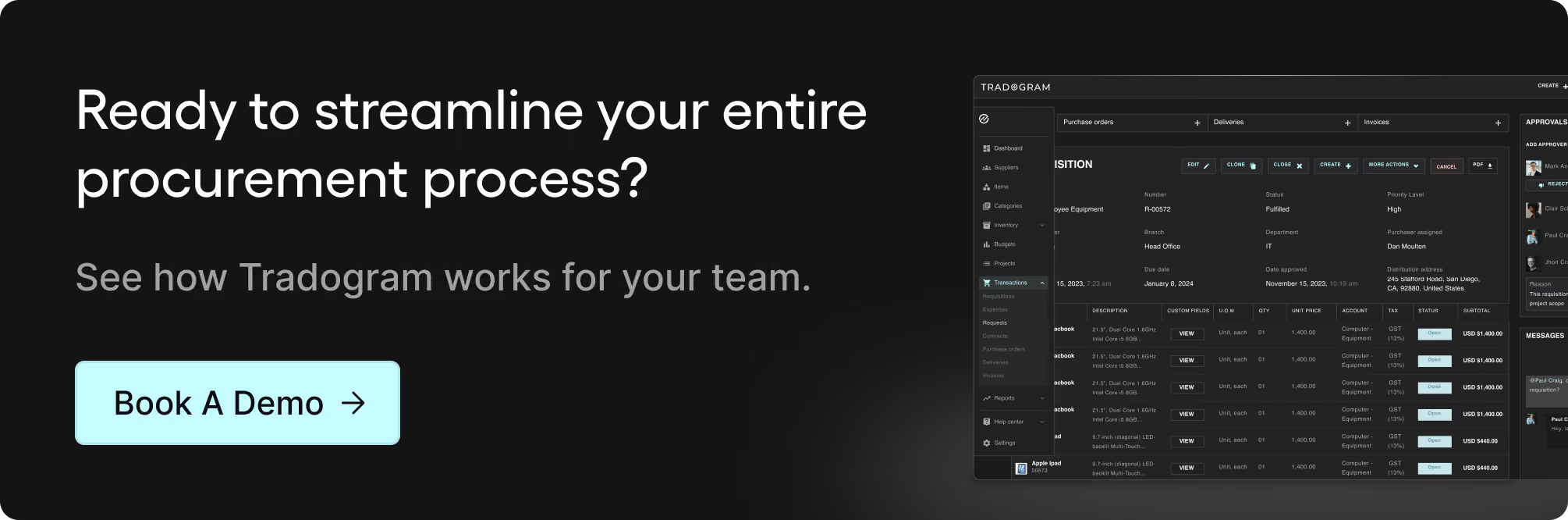
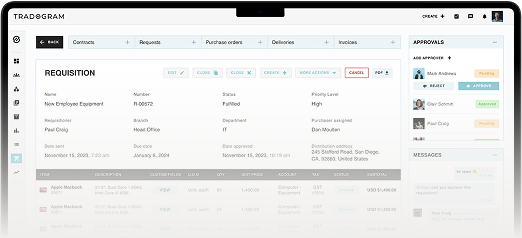
If you’re seeking an effective solution to enhance vendor risk management, Tradogram is the ideal choice. As a robust Supplier Performance Management platform, Tradogram provides all the necessary tools to streamline, monitor, and evaluate supplier interactions, fostering long-term, profitable partnerships.
To discover how Tradogram can help improve your vendor risk management, contact us today. Our team is ready to assist you.