
In today’s fast-paced business environment, procurement plays a vital role for organizations of all sizes—from small and medium-sized businesses (SMBs) to large enterprises. Efficient procurement management helps companies streamline purchasing processes, build strong supplier relationships, and secure better deals, ultimately driving cost savings.
However, many companies still face challenges when handling procurement manually. As a result, more businesses are turning to digital procurement solutions to overcome bottlenecks and optimize their operations.
In this guide, we will explore the importance of digital procurement, opportunities for automation, and how to customize procurement solutions to meet your specific business needs.
The Importance of Procurement Solutions
Procurement solutions provide the tools necessary to enhance operational efficiency, cost control, and productivity. Whether it's supplier relationship management or inventory control, digital procurement tools are crucial for optimizing business processes and improving overall performance.

Opportunities for Procurement Automation
Now that we understand the importance of procurement solutions, let's explore how digital procurement automation can help streamline key processes in your organization.
1. Automating Purchase Requisitions and Approvals
Placing a purchase requisition and getting approvals can be time-consuming, especially if managed manually. This process typically involves multiple approval stages, which can lead to delays and errors.
By implementing digital procurement software, you can automate requisition and approval workflows, ensuring transparency and accountability at every stage. Customizable approval processes can significantly speed up the requisition cycle, reducing downtime and human error.
2. Streamlining Purchase Order (PO) Management
Inefficient PO management can increase procurement costs and processing times. Automating PO management using the right procurement solution can help reduce invoice processing times and streamline purchasing.
When choosing a solution, consider factors such as your industry, company size, and procurement objectives. Cloud-based procurement platforms often offer the best scalability and flexibility for growing businesses.
After selecting a platform, connect your finance/accounts payable team with the software to automate invoice management. Set up accurate workflows to ensure every team member understands their role in the PO process, resulting in seamless invoice and PO management.
3. Improving Supplier Performance and Relationship Management
Maintaining strong relationships with suppliers is key to long-term success. Digital procurement tools enable you to monitor supplier performance in real-time, allowing you to identify and resolve issues before they become significant problems.
Procurement software offers features such as:
- Automated supplier performance tracking
- Faster payments and invoice processing
- Automated reminders and notifications
- Purchase order tracking
These tools help ensure effective supplier collaboration and long-term partnerships.
4. Automating Invoice Processing
Digital procurement solutions allow you to automate the entire invoice processing cycle, from data entry to payment. This eliminates the need for manual data entry and reduces the risks of fraud and duplicate invoices.
E-invoicing also ensures timely supplier payments, which strengthens relationships and improves trust.
5. Enhancing Inventory Management
Automating inventory management through procurement software allows for better control over stock levels. Here are key ways digital procurement tools can improve inventory management:
- Real-time inventory tracking: Get full visibility on stock levels across multiple locations.
- Automated reorder processes: Set automatic reorder points to avoid stockouts.
- Demand forecasting: Analyze historical sales and inventory data to forecast future demand and plan inventory accordingly.
- Centralized data and reporting: Access detailed reporting to monitor stock levels, turnover rates, and procurement costs.
How to Choose the Right Procurement Solution
To optimize your procurement processes effectively, it’s crucial to choose the right software solution for your organization. Here are steps to guide you through the selection process:
1. Assess Your Organization’s Needs
Conduct a thorough analysis of your current procurement processes to identify areas where automation and optimization are needed. Consider factors like industry, company size, and procurement goals when evaluating software options.
2. Understand E-Procurement Tools’ Features and Benefits
A quality e-procurement solution should offer the following features:
- Cost savings: Streamline purchasing to achieve higher ROI and cost reductions.
- Risk management: Monitor compliance with regulations and standards.
- Supplier communication tools: Facilitate better relationships with fast onboarding and reliable communication features.
- Automation and workflow customization: Speed up approvals and purchase processes.
Must-Have Features of Procurement Software
When selecting procurement software, look for these essential features:
- Automation functionality: Automate workflows for requisitions, POs, and approvals.
- Integrations: Ensure compatibility with accounting and ERP software (e.g., QuickBooks, NetSuite).
- Document and contract management: Manage contracts and documents with precision to avoid costly mistakes.
- Three-way matching: Match invoices, purchase orders, and order receipts accurately to minimize errors.
- Supplier management tools: Monitor supplier performance with real-time tracking, supplier scorecards, and communication tools.
- Inventory management tools: Keep track of stock levels and ensure timely reorders with inventory tracking features.
Customize and Enhance Your Procurement with Tradogram
Improve your procurement processes with Tradogram, an all-in-one procurement solution designed to help organizations automate purchasing, manage suppliers, and streamline workflows. Tradogram offers features such as custom purchase orders, requisitions, RFQs, and supplier management tools.
Tradogram can help you negotiate better deals, automate approvals, and improve lead times, ultimately enhancing your procurement efficiency.
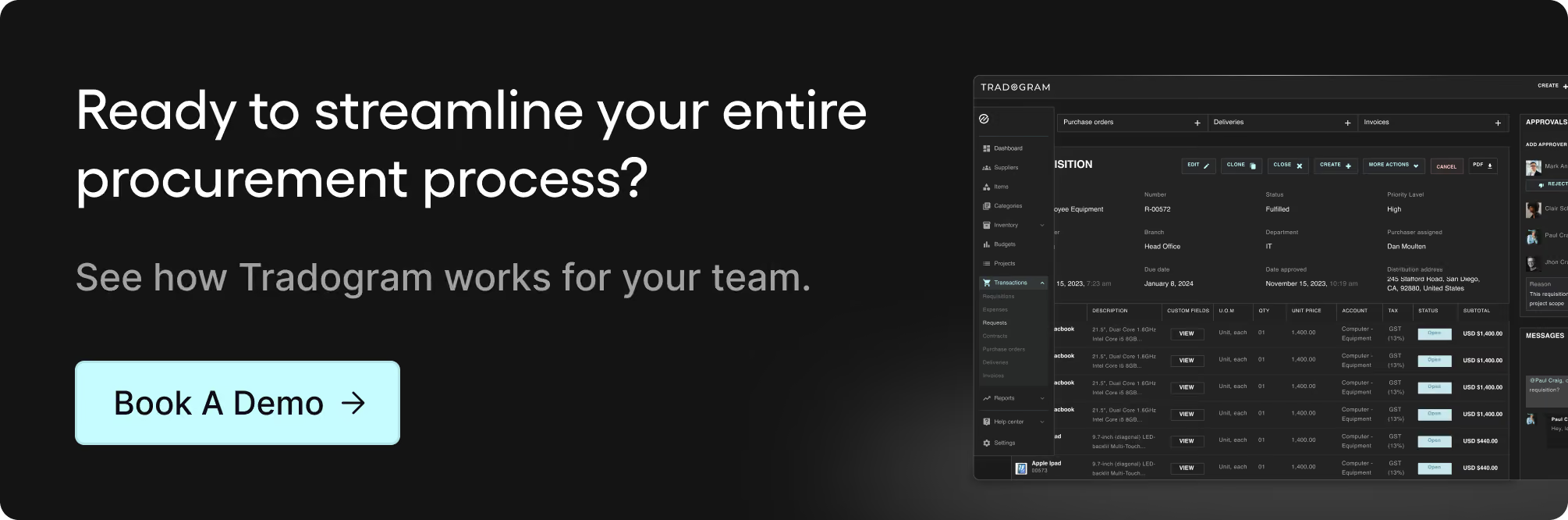
Interested in optimizing your procurement processes? Schedule a free demo with our team today, and discover how Tradogram can help your organization achieve its procurement goals.