.png)


How to Fix Slow & Fragmented Approval Workflows for Purchase Orders
A simple request for new equipment gets stuck in someone’s inbox for days. A critical project is delayed because a purchase order (PO) is lost in a maze of email threads and manual sign-offs. For many growing businesses, this scenario is all too familiar. Slow and fragmented approval workflows for purchase orders are more than just a minor annoyance; they are a significant operational bottleneck that can stifle productivity, create financial risks, and strain supplier relationships.
When purchase requests are managed through spreadsheets, paper forms, and endless email chains, the process becomes chaotic. There's no clear visibility into where a request stands, who needs to approve it next, or why it’s taking so long. This lack of structure leads to delays, maverick spending, and a frustrated team unable to get the resources they need to do their jobs effectively.
Fortunately, there is a clear path to resolving this chaos. By streamlining and automating your PO approval workflows, you can transform a sluggish, error-prone process into a fast, compliant, and transparent system that supports your business goals.
The High Cost of Inefficient PO Approval Workflows
Manual approval processes often seem manageable at first, but as an organization grows, their hidden costs become painfully apparent. The problems extend far beyond simple delays, impacting everything from your budget to your company culture.
1. Operational Delays and Lost Productivity
The most immediate impact of a slow approval workflow is wasted time. Employees spend valuable hours tracking down approvers, sending reminder emails, and answering questions about the status of their requests. Approvers, in turn, are bombarded with messages and must sift through their inboxes to find the right information. This administrative burden distracts everyone from their core responsibilities, leading to a significant drop in overall productivity.
2. Lack of Spend Visibility and Control
When purchase requests happen outside of a structured system, it’s nearly impossible to maintain control over company spending. This leads to "maverick spending," where employees bypass official channels to make unauthorized purchases. Without a centralized view of all purchase requests, finance leaders cannot accurately track spending against budgets in real time. This lack of visibility can result in budget overruns and makes financial forecasting a guessing game.
3. Increased Risk of Errors and Non-Compliance
Manual workflows are a breeding ground for human error. Incorrect data entry on a PO, routing a request to the wrong approver, or misplacing a paper form can lead to incorrect orders and payment disputes. Furthermore, enforcing purchasing policies becomes difficult. Without automated checks and balances, it's easy for non-compliant purchases to slip through the cracks, creating potential audit and financial risks. Research from the Hackett Group shows that companies with high levels of automation have 47% lower error rates in their procurement processes.
4. Strained Supplier Relationships
Slow approvals mean delayed purchase orders, which in turn lead to late payments. This can damage your reputation with key suppliers. When suppliers are consistently paid late, they may become less willing to offer favorable terms or prioritize your orders during busy periods. A smooth and predictable purchasing process is a cornerstone of strong supplier management, and manual workflows often undermine this.
The Solution: Centralized and Automated Approval Workflows
The key to fixing slow and fragmented PO approvals is to move away from manual methods and embrace automation. A centralized procurement platform allows you to design, implement, and manage streamlined approval workflows that are tailored to your organization's unique structure and needs.
How Automated Workflows Function
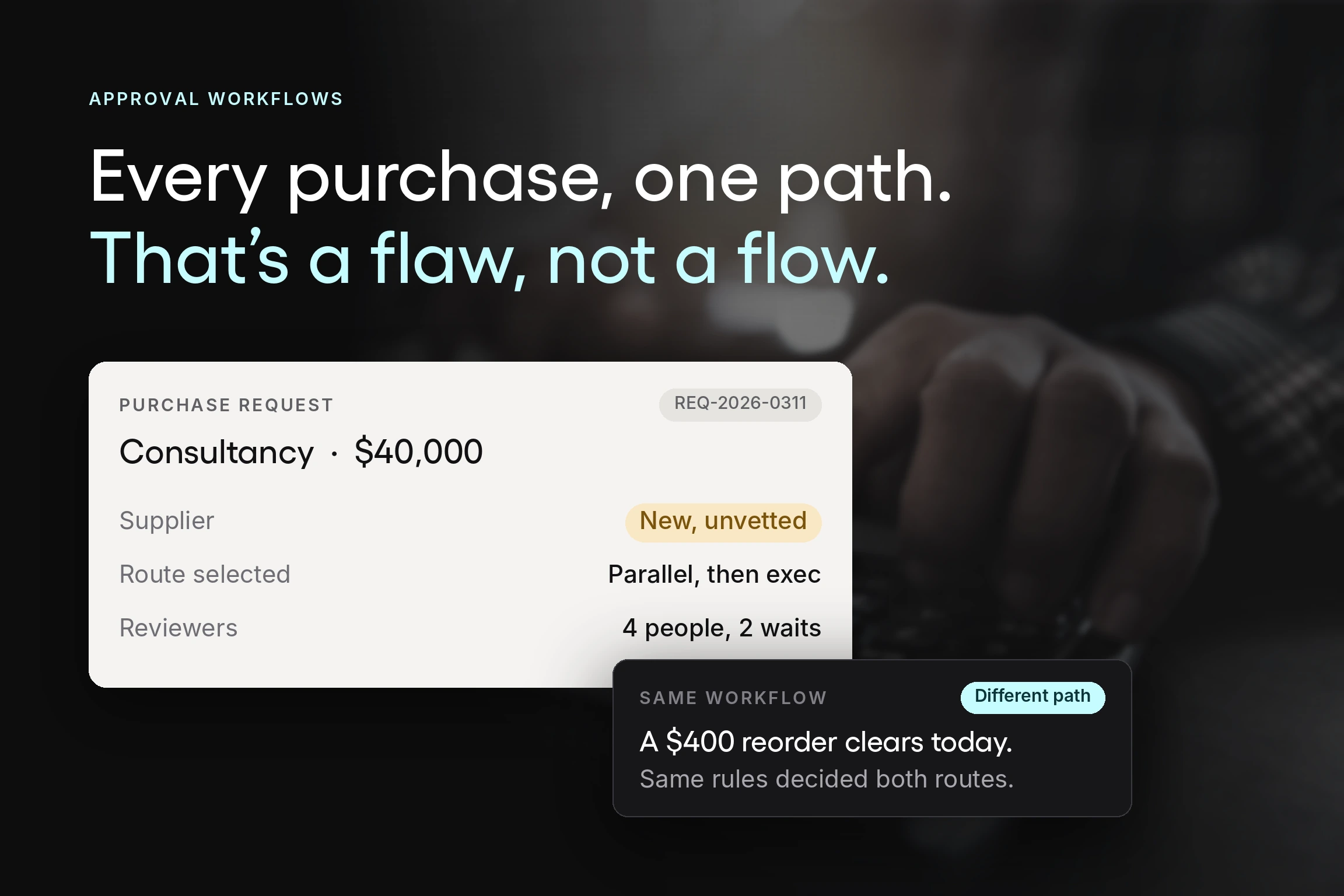
With an automated system, the entire approval process is digitized. An employee submits a purchase requisition through a central portal. The system then automatically routes the request to the correct approver (or series of approvers) based on predefined rules. These rules can be customized based on factors like:
- Purchase Amount: Requests over a certain dollar value might require additional approval from senior management.
- Department: A marketing request is routed to the marketing manager, while an IT request goes to the IT director.
- Product Category: Purchases for specific categories, like software or capital equipment, may have unique approval chains.
- Location or Project: Spending can be tied to specific office locations or projects for more granular budget tracking.
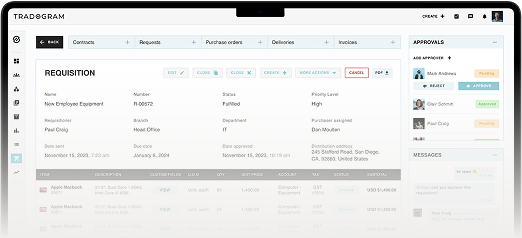
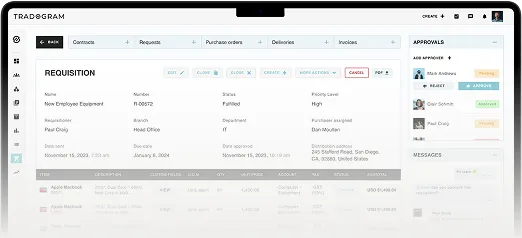
Approvers receive instant notifications and can review, approve, or reject requests directly within the platform—even from a mobile device. This creates a clear, efficient, and fully documented path for every single purchase.
Key Benefits of Automating Your PO Approval Process
Transitioning to an automated system delivers transformative benefits across the organization, turning a former pain point into a source of competitive advantage.
1. Accelerate Approval Cycles
By eliminating manual handoffs and communication delays, automation dramatically reduces the time it takes to get a purchase order approved. What once took days or weeks can be accomplished in hours or even minutes. This speed allows your teams to acquire the goods and services they need faster, keeping projects on track and operations running smoothly.
2. Gain 100% Real-Time Spend Visibility
A centralized procurement software solution captures all purchasing activity in one place. Dashboards and reports provide finance and procurement leaders with a complete, real-time overview of all pending and approved purchases. This allows you to monitor budget adherence, track departmental spending, and make data-driven decisions with confidence.
3. Enforce Compliance and Reduce Maverick Spending
Automated workflows are your first line of defense against non-compliant spending. By building your purchasing policies directly into the system, you ensure that every request adheres to company rules. This structured process guides employees to make compliant purchasing decisions, effectively eliminating maverick spending and strengthening internal controls. Documenting and embedding these processes helps establish best procurement workflows across your organization.
4. Create a Clear and Auditable Trail
Every action taken within an automated system is time-stamped and recorded, from the initial request to the final approval. This creates a complete, unchangeable audit trail for every purchase. During an audit, you can easily pull up the entire history of a transaction, demonstrating compliance and accountability without having to dig through stacks of paper or old emails.
5. Empower Your Team with a User-Friendly Process
A well-designed procurement platform simplifies the purchasing process for everyone. Employees can easily submit requests and track their status without needing to send follow-up emails. Approvers have all the necessary information at their fingertips to make quick decisions. This positive user experience reduces friction and encourages adoption, ensuring the system is used correctly by all.
Steps to Implement Automated Approval Workflows
Making the switch to an automated system is more straightforward than you might think. Follow these steps to get started:
- Map Your Current and Ideal Workflows: Document your existing approval process to identify its weaknesses. Then, design your ideal workflow. Who should approve what? What are the spending thresholds for different levels of management?
- Choose a Scalable Solution: Select a procurement platform that is flexible enough to accommodate your specific rules. Look for a user-friendly solution like Tradogram, which allows you to easily configure custom approval workflows and automation rules.
- Start with a Pilot Program: Roll out the new system with a single department or team. This allows you to gather feedback and make adjustments before a company-wide implementation.
- Train and Communicate: Clearly communicate the benefits of the new system to your entire team. Provide training to ensure everyone understands how to use the platform and follows the new, streamlined process.
Stop Letting Slow Approvals Hold You Back
Slow and fragmented approval workflows are a drain on your resources and a barrier to growth. By embracing automation, you can create a fast, transparent, and compliant purchasing process that empowers your team and protects your bottom line. This shift allows your procurement function to evolve from a reactive administrative burden into a strategic driver of efficiency and value for your organization. Book a demo here.