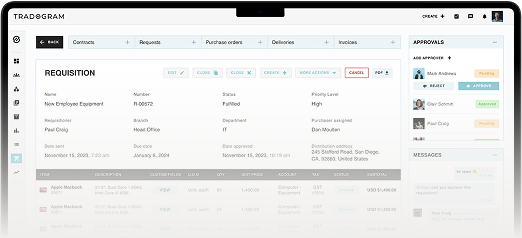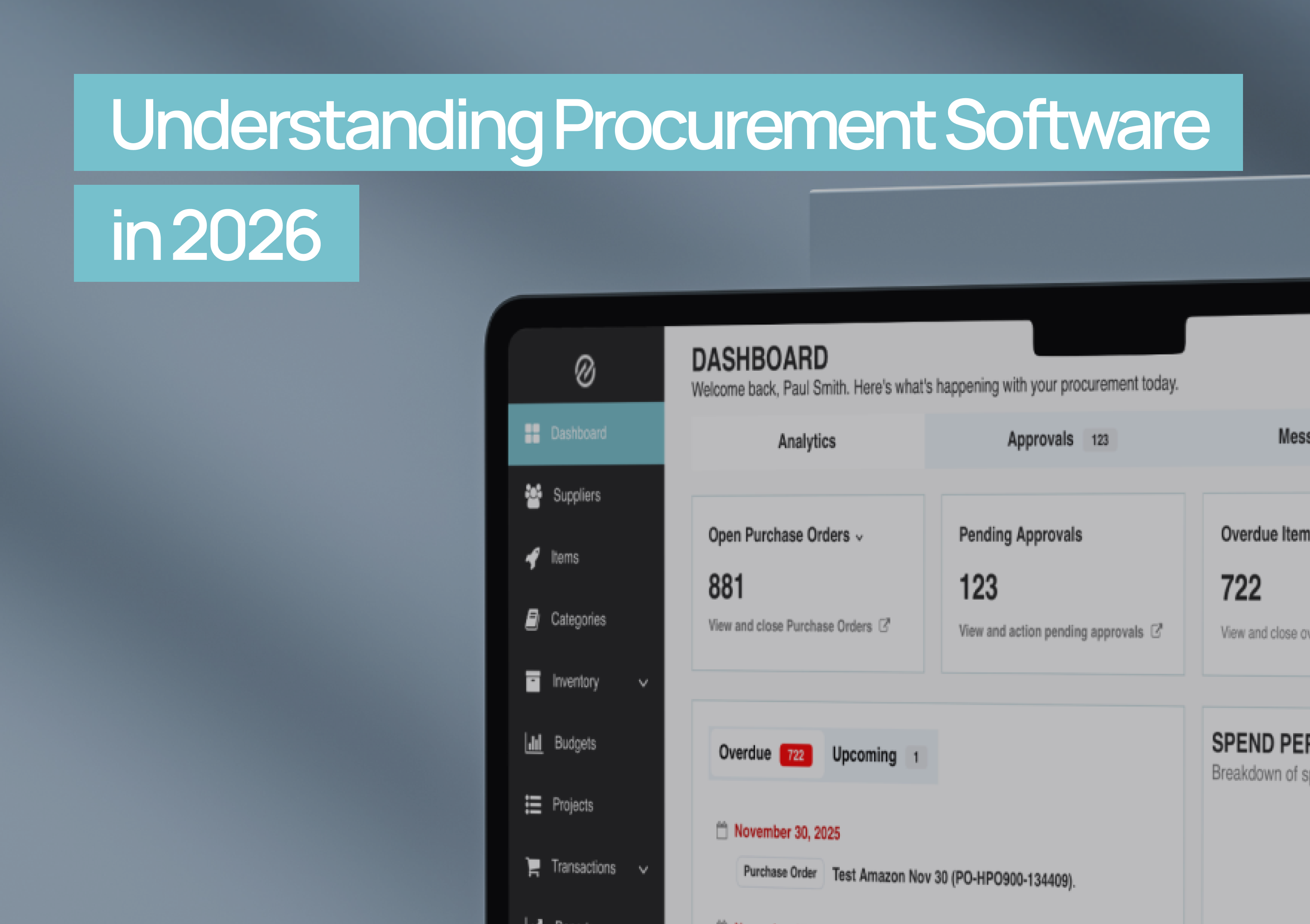


The procurement landscape has undergone a seismic shift, and procurement software is no longer just a digital filing cabinet for purchase orders. Today's platforms are intelligent ecosystems that transform how organizations source, negotiate, and manage supplier relationships across global supply chains.
Modern procurement software goes far beyond basic purchasing automation. These platforms integrate artificial intelligence for predictive analytics, machine learning for spend optimization, and blockchain technology for supply chain transparency. Top 10 Procurement Trends to Watch in 2026 reveals that organizations using advanced procurement platforms report 15-20% cost savings and 40% faster cycle times compared to traditional manual processes.
What sets 2026's procurement solutions apart is their native intelligence. They don't just process transactions—they predict market fluctuations, identify risk patterns, and suggest strategic sourcing opportunities in real-time. The most effective platforms now offer unified dashboards that provide C-suite executives with actionable insights while empowering procurement teams with automated workflows and compliance monitoring.
The stakes have never been higher. Supply chain disruptions, regulatory complexity, and cost pressures demand procurement software that can adapt and evolve. The question isn't whether your organization needs modern procurement technology—it's whether you're ready to embrace AI-native solutions that will define the future of strategic sourcing.
AI-Native Solutions: The Future of Procurement
The most transformative shift happening in procurement isn't just about adding AI features to existing tools—it's about AI-native solutions that fundamentally reimagine how procurement operates. These platforms think in algorithms first, treating artificial intelligence as the core operating system rather than an add-on feature.
What makes AI-native platforms revolutionary is their ability to learn and adapt in real-time. Traditional procurement software requires manual rule configuration and constant updates. AI-native solutions, however, continuously refine their decision-making processes based on transaction patterns, market conditions, and organizational behavior. This creates a procurement environment that becomes smarter with every purchase order processed.
The best practices emerging around AI-native adoption focus on data quality and change management. Organizations seeing the greatest success invest heavily in cleaning their procurement data before implementation, ensuring the AI has quality information to learn from. According to industry analysis, companies that prioritize data preparation see 40% faster ROI from their AI procurement investments.
The competitive advantage is clear: while others struggle with manual processes and reactive decision-making, AI-native adopters operate with predictive insights and automated optimization. This foundation becomes critical when building sophisticated supplier relationships and managing complex vendor ecosystems.
Enhancing Supplier Management with Technology
Traditional supplier management—juggling spreadsheets, chasing paper contracts, and hoping vendors remember compliance requirements—is becoming extinct. Modern supplier relationship management (SRM) tools are transforming how organizations discover, evaluate, and collaborate with their supplier networks.
The shift toward digital supplier onboarding represents one of the most impactful procurement software best practices emerging in 2026. Instead of weeks-long approval processes, leading platforms now enable automated vendor qualification, real-time document verification, and instant compliance scoring. This acceleration doesn't sacrifice quality—it enhances it through standardized workflows and audit trails.
Performance analytics have evolved beyond basic scorecards. Today's SRM systems track delivery patterns, quality metrics, and financial stability indicators in real-time, enabling proactive relationship management rather than reactive problem-solving. Advanced sourcing platforms are integrating market intelligence to suggest alternative suppliers before disruptions occur.
The most sophisticated organizations are leveraging supplier collaboration portals that function as shared workspaces. These environments allow real-time communication, joint forecasting, and coordinated innovation projects—transforming suppliers from transactional vendors into strategic partners.
However, technology alone won't revolutionize supplier relationships. The most successful implementations combine digital tools with human relationship-building, creating hybrid approaches that maximize both efficiency and trust. This foundation becomes crucial as procurement teams navigate increasingly complex, interconnected technology ecosystems.
Composable and Integrated Technology Stacks
The days of monolithic procurement platforms are numbered. Composable technology stacks—where best-of-breed solutions seamlessly connect through APIs—represent the future of procurement technology architecture. This approach allows organizations to cherry-pick specialized tools while maintaining data consistency across their entire procurement ecosystem.
Modern integration capabilities enable procurement teams to connect their core platform with specialized vendors for spend analytics, contract management, supplier risk assessment, and market intelligence. Rather than forcing compromises with all-in-one solutions, procurement 2026 strategies emphasize flexible architectures that adapt as business needs evolve.
The key advantage lies in avoiding vendor lock-in while maximizing functionality. When your contract management tool excels but your spend analytics fall short, composable stacks let you swap components without rebuilding your entire infrastructure. This modularity also supports faster innovation cycles, as you can adopt new technologies without waiting for your primary vendor to catch up.
However, integration complexity remains a critical consideration. Successful composable stacks require robust data governance, clear API standards, and dedicated technical resources to maintain connections. The payoff is a procurement technology environment that truly serves your unique operational requirements rather than forcing you into generic workflows.
Prioritizing User Experience in Procurement Software
The most powerful e-procurement software becomes useless if your team won't adopt it. User experience isn't just about pretty interfaces—it's the difference between software that transforms your procurement process and expensive digital shelf-ware.
Intuitive design drives adoption rates above 85%, while clunky systems often see less than 40% user engagement within six months. Modern procurement professionals expect consumer-grade experiences in their business tools. This means single-click approvals, mobile-responsive interfaces, and workflows that mirror natural business processes rather than forcing users into rigid system constraints.
Smart procurement leaders prioritize role-based dashboards that surface relevant information immediately. A procurement manager shouldn't wade through purchase order details meant for receiving clerks, and suppliers need streamlined portals that don't require training manuals to navigate.
The most successful implementations focus on reducing clicks and cognitive load. If approving a routine purchase requires more than three clicks or forces users to remember complex codes, you're fighting an uphill battle against human nature.
However, balancing simplicity with functionality requires careful consideration—overly simplified systems can lack the depth needed for complex procurement scenarios.
Limitations and Considerations in Procurement Software Adoption
While procurement software offers tremendous benefits, organizations must navigate several critical limitations before implementation. Change management resistance remains the most significant hurdle, as procurement teams often resist abandoning familiar manual processes for digital workflows.
Budget constraints can severely limit software selection options. A comprehensive source-to-pay platform might deliver maximum value, but smaller organizations may need to prioritize specific modules over full-suite implementations. Best Practices for Selecting the Right Procurement Software emphasizes evaluating total cost of ownership beyond initial licensing fees.
Integration complexity poses another challenge. Legacy ERP systems may not seamlessly connect with modern procurement tools, requiring expensive middleware or custom development. Organizations should audit existing technology infrastructure before committing to specific platforms.
Data migration risks can't be overlooked. Historical procurement data, supplier relationships, and contract details must transfer accurately to avoid operational disruptions. Companies should plan for extended parallel system operations during transitions.
Vendor dependency creates long-term considerations. Once deeply integrated, switching platforms becomes costly and complex. Organizations should evaluate vendor financial stability and roadmap alignment before making commitments.
These limitations don't negate procurement software benefits—they simply require strategic planning and realistic expectations during implementation phases.
Industry Examples: Implementing Procurement Best Practices
Real-world implementations showcase how organizations successfully transform their procurement operations through strategic best practices. Manufacturing companies frequently lead the way by establishing procure-to-pay P2P workflows that eliminate manual bottlenecks. One common pattern involves automating supplier onboarding while maintaining strict compliance standards—reducing processing time from weeks to days.
Healthcare organizations demonstrate particularly effective approaches to vendor risk management, implementing multi-tier approval processes that balance speed with regulatory requirements. What typically happens is these organizations create standardized templates for common purchases while maintaining flexibility for specialized equipment procurement.
Technology sector implementations often focus on contract lifecycle management, with companies establishing automated renewal alerts and performance tracking dashboards. Procurement best practices emphasize the importance of data-driven decision making, with successful organizations reporting 15-25% cost savings through strategic sourcing initiatives.
Financial services firms excel at creating cross-functional procurement teams that bridge IT, legal, and operations departments. These collaborative frameworks ensure all stakeholders participate in vendor selection while maintaining clear accountability structures throughout the procurement cycle.
Key Takeaways
Successful procurement transformation in 2026 hinges on strategic technology adoption combined with process optimization. Organizations that embrace spend management software as part of a comprehensive digital strategy will gain significant competitive advantages through enhanced visibility, automated workflows, and data-driven decision making.
The most critical success factors include executive sponsorship, cross-functional collaboration, and phased implementation approaches that minimize disruption while maximizing user adoption. Best practices for selecting the right procurement software emphasize the importance of aligning technology choices with specific organizational needs rather than pursuing feature-rich solutions that overwhelm end users. Risk mitigation remains paramount throughout any procurement transformation. Organizations must balance automation benefits with maintaining supplier relationships and ensuring compliance requirements. The most successful implementations focus on gradual capability building rather than wholesale system replacements.
Looking ahead, procurement's strategic role will only intensify as supply chain complexities increase and cost pressures mount. Organizations that establish robust procurement foundations today position themselves for sustained success in an increasingly competitive marketplace.
Why IT procurement matters in 2026
IT procurement has evolved from a back-office function into a strategic business driver that directly impacts organizational competitiveness and innovation capacity. The exponential growth in technology spending—now representing up to 15% of total enterprise budgets—demands sophisticated procurement approaches that go far beyond traditional purchasing models.
Modern IT procurement addresses critical business challenges that can't be solved through conventional methods. Organizations face complex technology ecosystems requiring seamless integration, cybersecurity compliance, and rapid scalability. Without proper procurement frameworks, businesses risk vendor lock-in, security vulnerabilities, and inflated costs that compound over time.
The stakes have never been higher for getting IT procurement right. Cloud services, AI platforms, and digital infrastructure investments require strategic supplier management approaches that evaluate not just cost, but long-term partnership potential and technological alignment. Companies that excel at IT procurement gain competitive advantages through faster innovation cycles, better vendor relationships, and optimized technology stacks.
Furthermore, regulatory compliance and data governance requirements make IT procurement decisions increasingly complex. The right procurement strategy ensures organizations maintain security standards while maximizing technology investments—setting the foundation for sustainable digital transformation.
Why your organization needs procurement software solutions
The compelling case for procurement software solutions becomes clearer when viewed through the lens of competitive advantage and operational necessity. Organizations without modern procurement technology face increasing challenges in managing complex supplier relationships, ensuring compliance, and controlling costs in today's rapidly evolving business landscape.
Manual procurement processes simply can't keep pace with the demands of modern business. Companies relying on spreadsheets and email-based workflows experience significantly higher error rates, longer processing times, and limited visibility into spending patterns. These inefficiencies compound over time, creating substantial competitive disadvantages that become increasingly difficult to overcome.
The transformation potential is substantial. Procurement software solutions enable organizations to automate routine tasks, standardize processes across departments, and gain real-time insights into spending patterns that drive strategic decision-making. The result is a procurement function that operates as a strategic business partner rather than a transactional support service.
The window for digital procurement transformation is narrowing rapidly. Organizations that delay implementation risk falling further behind competitors who've already realized the operational and strategic benefits of modern procurement technology. The question isn't whether to implement procurement software solutions, but how quickly your organization can begin this essential transformation journey. Book a demo today!