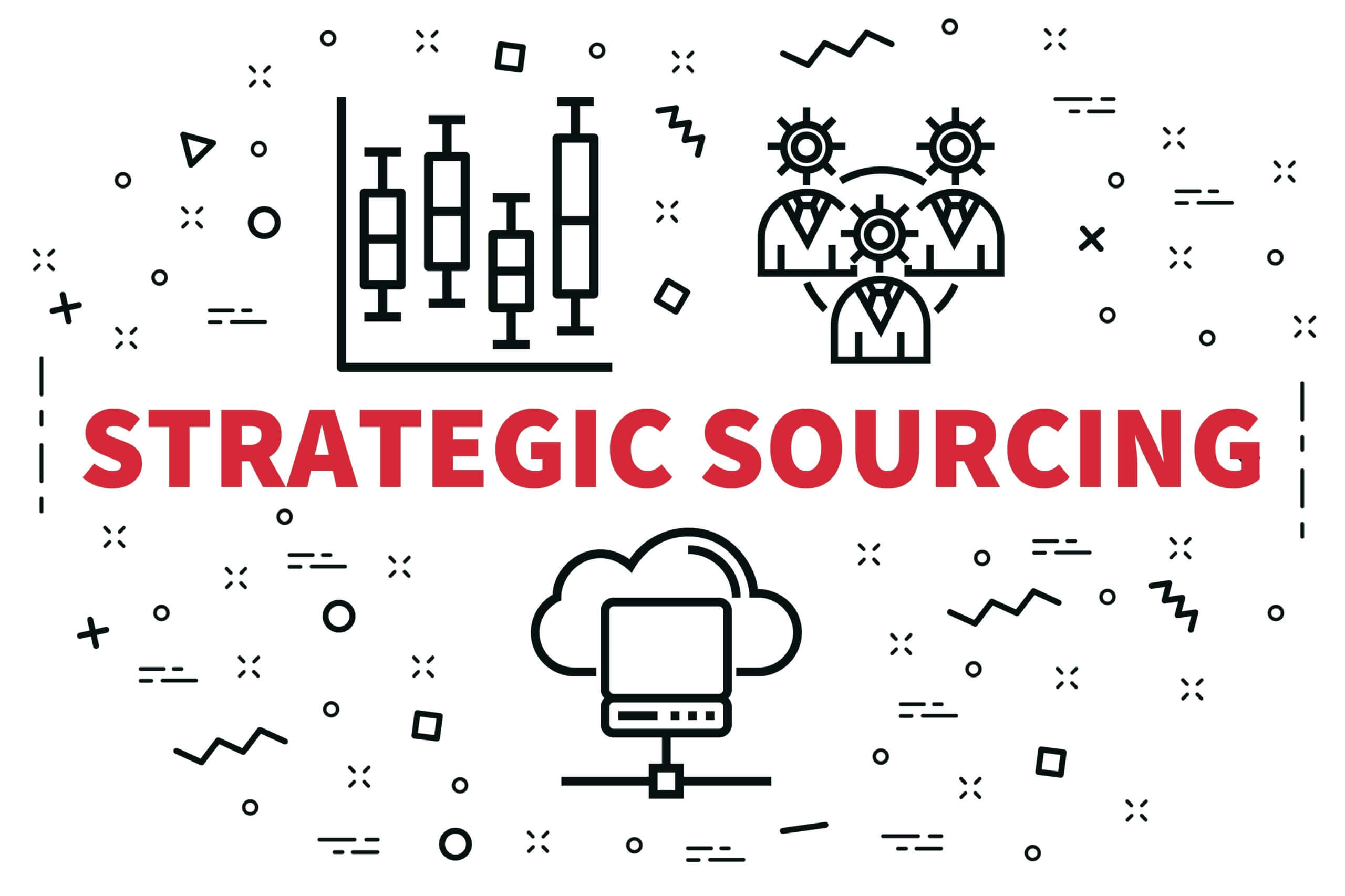


In the strategic sourcing process, a lot of emphasis is put on planning, especially surrounding selecting the right suppliers. This is why a supplier analysis is so important.
While the main goal for many companies who are working on their strategic sourcing is to save money, finding the right supplier is not as straightforward as finding one with the lowest costs. Establishing proper initial selection criteria and selecting the right potential suppliers are essential factors to effective sourcing management.
In this blog, we will discuss key points you should consider when building a shortlist of potential suppliers for your business. We will be discussing the steps that should be taken before you select a supplier in order to minimize risk and cost for your business.
Have a Clear Picture of Your Business Needs and Capabilities
Before you can begin looking for potential suppliers, you need to have a clear knowledge of your business requirements, capabilities, and available resources.
Identify your business’s end goal and conduct some internal research to determine:
- What the business needs to reach that goal
- What resources are currently available that can assist
- What resources will you still need and if you can afford them
- Is your business (and its employees) equipped to reach this goal effectively
The best way to gather this information accurately is with a cross-functional team that includes all stakeholders, not just end-users and subject matter experts (SMEs). When you collaborate across departments and get input from all stakeholders within the company, you are likely to understand the needs and capacity of the entire company, not just one department.
Determine Supplier Qualification Criteria and Minimum Requirements
The role of suppliers in a company's success is critical. In order to ensure you are selecting the right suppliers for your needs, you must know what you need from them. With your company’s goals in mind, make a list of qualification criteria that details the minimum requirements your ideal suppliers would need to meet in order for you to reach those goals.
Common selection criteria for suppliers include:
- Cost
- Value for Money
- Quality
- Reliability
- Responsiveness (Effective Communication)
- Flexibility
It may also be useful to investigate the financial stability of your potential suppliers through credit checks to determine if there is any risk of the supplier being unable to deliver what is needed of them.
Ask yourself the following questions when creating your supplier shortlist:
- Are these suppliers capable of delivering what you need on time?
- Do they have financial security?
- How long have they been in business?
- Is there anyone you know who has used them and can recommend them?
- Is their name on any approved supplier lists from trade associations, local governments, or central governments?
Look at Both Existing and Potential Suppliers
The business world is unforgiving. If your current suppliers are holding you back or hampering the success of your business, a line needs to be drawn between loyalty and success. So, when you are creating a supplier shortlist and looking at potential suppliers, you also need to evaluate your current suppliers against your selection criteria to see if they are meeting your business needs.
Find out who the main players are in your market and thoroughly research them. It's crucial to understand the context in which the company operates, from its geographic location to its target customers.
It's also a good idea to research potential lawsuits or other risky situations they may be up against. This step can be simplified by using a SWOT (Strengths, Weaknesses, Opportunities, Threats) diagram, which makes it easier to compare suppliers.
You should limit your supplier list to no more than four or five candidates. If you approach a potential supplier when there is little chance of them fulfilling your needs, you will waste your time and theirs
How Procurement Software can Simplify Your Supplier Analysis
Paper trails and manual processes are quickly becoming obsolete. The efficiency and speed that cloud-based software solutions can provide are attracting several businesses looking to improve their operations. With your strategic sourcing or procurement processes, e-procurement software can make all the difference when it comes to saving you time and money.
There are several procurement software options available, but you need to be sure they meet all of your needs. A reliable, efficient software should have in-depth supplier management capabilities.
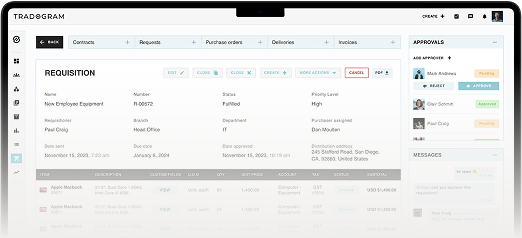
With procurement software like Tradogram, you can build and manage your list of approved suppliers, with quick access to comprehensive details about each supplier on your list. Rating systems and supplier evaluation tools will help you ensure your supplier performance is where it should be. To find out more, contact us today.