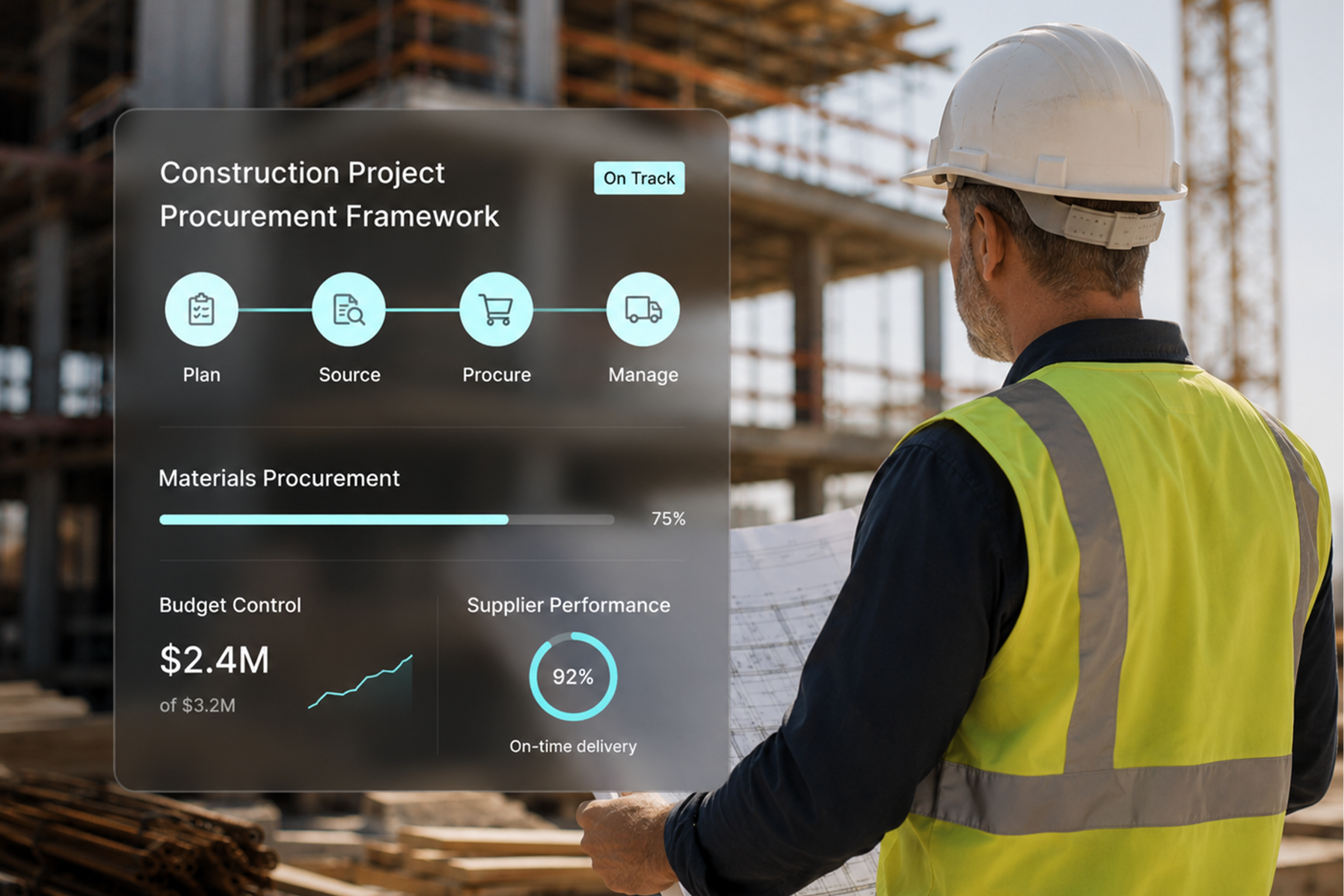


The Framework: Understanding Procurement in Construction
Procurement in construction is crucial, serving as the strategic backbone that influences project timelines and budgets. It extends beyond mere material acquisition, encompassing the identification of needs, selection of suppliers, contract negotiations, and management of deliveries across various job sites. Disruptions in this system can have significant consequences: material cost volatility is currently at an all-time high, and labor shortages are squeezing margins on every project.
Traditional methods like spreadsheets and phone calls fall short in today's complex environment. Construction firms juggle numerous vendors, thousands of line items, and constantly shifting timelines while striving to maintain spending visibility. Procurement software centralizes transactions, approvals, and documents, eliminating the chaos of tracking purchase orders or recalling supplier quotes from weeks ago.
In 2026, the stakes are higher. The construction industry must attract 349,000 additional workers amid macroeconomic uncertainties. Operational efficiency is now crucial for survival. Companies with real-time control over procurement processes can better manage supply chain disruptions, negotiate improved pricing through consolidated data, and allow teams to focus on construction rather than administrative tasks.
Understanding procurement's role and how technology enhances its capabilities lays the foundation for more resilient construction operations.
Key Components of the Construction Procurement Process
Construction procurement consists of five interconnected phases that impact project outcomes. It begins with needs identification, where project teams determine requirements, specifications, and delivery timelines, setting standards for material quality and vendor criteria.
The next phase, supplier selection, involves assessing potential vendors based on price, capability, track record, and capacity. A thorough vendor qualification process mitigates downstream risks, as Beroe's analysis indicates that supplier reliability directly influences project schedules.
During negotiation and contracting, pricing structures, payment terms, and delivery schedules are established. Projects often stumble here by focusing solely on initial costs rather than total ownership costs. Contracts lacking escalation clauses or quality standards can lead to disputes.
Order management and tracking involves creating purchase orders, coordinating deliveries, and verifying quality. This phase determines whether procurement is under control or merely hoping materials arrive on time. Without systematic tracking, projects suffer from "unexplained delays"—schedule slippages due to unknown causes.
Finally, vendor performance evaluation completes the process. Metrics such as:
- on-time delivery rates
- defect percentages
- responsiveness
create a feedback loop that enhances future sourcing decisions. Organizations using structured procurement approaches outperform those relying on ad-hoc purchasing. Each component relies on visibility, where traditional manual processes often fail.
How Procurement Software Enhances Visibility and Control
The construction industry procurement faces increasing pressure from labor shortages, supply chain volatility, and cost overruns. Modern procurement software addresses these challenges by providing real-time transparency across the entire purchasing lifecycle—from initial requisition to final payment.
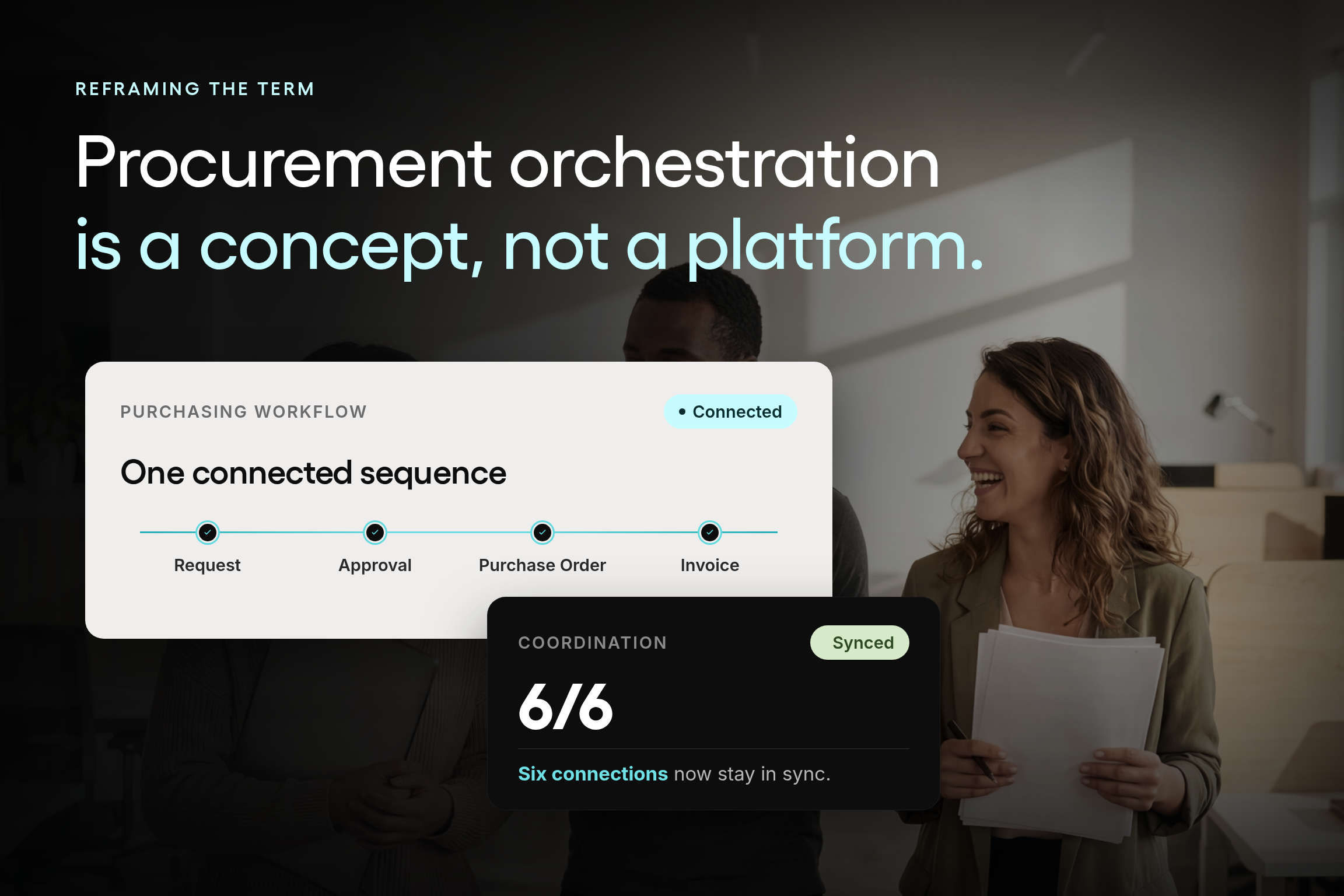
Visibility is enhanced in three critical ways. First, centralized dashboards compile purchasing data traditionally scattered across emails, spreadsheets, and filing cabinets. Project managers can instantly access information on subcontractor quotes, backordered materials, and budget variances. Second, automated approval workflows eliminate the opacity between requisition submission and purchase order issuance, keeping every stakeholder informed of request statuses. Third, spend analytics uncover patterns—like maverick purchasing or supplier concentration risks—that remain hidden in manual systems.
Control mechanisms complement visibility features. Budget guardrails prevent purchases that exceed allocated funds. Vendor scorecards track performance metrics like:
- on-time delivery rates
- defect percentages
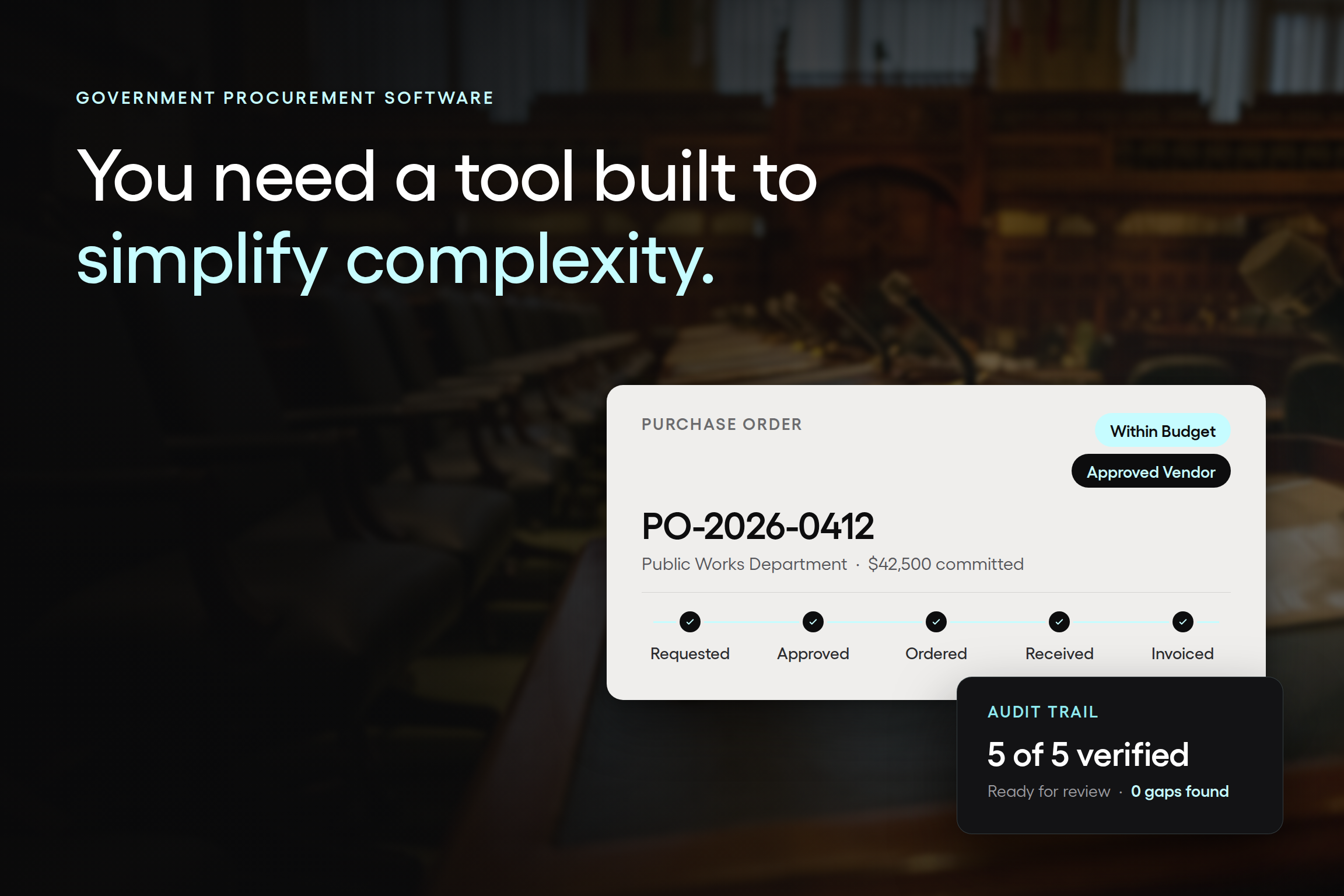
to inform future sourcing decisions. Audit trails record every change to purchase orders, fostering accountability and ensuring compliance standards. Leading procurement platforms integrate with accounting systems and project management tools, establishing a single source of truth that links procurement decisions to project outcomes. This integration shifts procurement from a reactive paperwork task to a strategic function that safeguards margins and timelines.
Case Studies: Success Stories Using Procurement Software
Real-world implementations of construction management software underscore its transformative impact on procurement outcomes. Organizations grappling with labor constraints and supply chain volatility have achieved significant improvements through systematic digitization.
A recurring pattern in successful deployments is that centralized visibility reduces procurement cycle times by 30-40%. One mid-sized contractor streamlined vendor management across twelve projects, eliminating duplicate orders that previously inflated costs by 18%. The platform's real-time approval workflows reduced requisition-to-PO timelines from seven days to under two hours.
Another effective strategy involves predictive analytics for material forecasting. A residential developer combined historical consumption data with project schedules, cutting emergency rush orders by 64%. This proactive approach was particularly beneficial during the 349,000-worker shortage, where procurement efficiency directly mitigated labor capacity constraints.
However, success hinges on rigorous implementation. Organizations achieving the highest ROI typically invest 8-12 weeks in vendor data migration and workflow customization. The most successful deployments also prioritize advanced procurement automation capabilities for repetitive tasks—automated three-way matching, purchase order generation, and budget threshold alerts outperform manual processes by a 3:1 efficiency ratio.
The result: Procurement software transforms operational chaos into strategic advantage through transparency, speed, and data-driven decision-making.
Overcoming Challenges in Construction Procurement
Modern construction procurement faces interconnected challenges that add to operational complexity. Labor shortages necessitating 349,000 new workers create capacity constraints affecting supply networks. Procurement teams often scramble to secure resources while managing cost volatility and coordination gaps among fragmented stakeholders.
Supplier management is a notable friction point. Construction projects typically involve numerous vendors operating on different systems, creating data silos and communication bottlenecks. Manual tracking methods falter when coordinating multiple material deliveries, equipment rentals, and subcontractor schedules across dynamic timelines. This fragmentation raises the risk of delays, duplicate orders, and budget overruns.
Technology adoption addresses these systemic challenges via centralization and automation. Organizations implementing streamlined procurement systems gain unified visibility into vendor performance, delivery schedules, and spending patterns. However, successful implementation requires careful change management. Teams accustomed to spreadsheets and phone calls need structured training and clear demonstrations of value before adopting new workflows.
Addressing both technical and cultural barriers is essential. Organizations that combine robust software infrastructure with stakeholder buy-in can navigate ongoing market uncertainties while developing procurement capabilities that scale with future innovations.
Future Trends in Construction Procurement Software
The procurement technology landscape will undergo significant disruption through 2026, driven by economic pressures and workforce constraints. Construction markets face uncertainty regarding infrastructure spending and broader economic conditions, prompting urgency for procurement optimization.
AI-powered analytics emerge as a leading trend, transforming supplier relationship management and project demands. Machine learning algorithms predict material price fluctuations with 78% accuracy, enabling proactive purchasing decisions. Predictive procurement systems analyze historical data patterns to recommend optimal ordering windows, reducing carrying costs and preventing stockouts.
Blockchain integration tackles longstanding transparency issues in construction supply chains. Immutable transaction records provide verifiable audit trails for every purchase order management decision, reducing disputes and speeding up payment cycles. Smart contracts automatically trigger payments upon delivery confirmation, eliminating administrative delays that typically last 45-60 days.
Mobile-first platforms cater to field workforce needs, with 64% of procurement tasks now occurring outside traditional office settings. Construction teams access real-time inventory levels, submit purchase requests, and approve orders directly from job sites. This accessibility becomes crucial as labor shortages persist, requiring maximum efficiency from available personnel.
These technological advances make procurement software essential infrastructure rather than an optional tool, especially as organizations face inflationary pressures and margin compression heading into 2026.
Limitations and Considerations
While procurement software provides significant operational benefits, realistic expectations about technological and organizational constraints are necessary for successful implementation. Software alone cannot compensate for inadequate procurement processes or lack of stakeholder engagement.
Implementation Barriers
Technology adoption encounters predictable challenges. Construction companies facing a 349,000-worker shortage in 2026 struggle with training capacity and workforce resistance to new systems. Organizations must allocate time for employee onboarding—typically 6-12 weeks for full proficiency—while maintaining existing workflows. Legacy systems add complexity, as data migration from spreadsheets or outdated platforms requires thorough planning and validation.
Cost Control Realities
Platform licensing entails ongoing financial commitment beyond initial investment. Enterprise-level construction procurement systems range from $15,000 to over $200,000 annually, depending on user count and feature complexity. Smaller contractors may find procurement solutions economically challenging during market downturns, particularly when private nonresidential construction contracts shrink by 6.2% in 2026. Cost control benefits accrue over 12-18 months as process efficiencies compound, requiring patience from stakeholders expecting immediate returns.
Software effectiveness fundamentally depends on data quality and consistent user engagement—factors no technology can enforce independently.
Key Takeaways
Construction procurement software signifies a fundamental shift in managing supplier relationships, purchasing decisions, and cost control within the industry. Transitioning from manual processes to digital procurement platforms results in significant improvements in both operational efficiency and financial performance.
Visibility enhances decision-making. Real-time spend analysis capabilities replace reactive cost management with proactive budgeting, uncovering spending patterns across projects, vendors, and categories. Organizations gain insights needed to negotiate better terms, identify cost-saving opportunities, and eliminate maverick spending that erodes profit margins.
Control helps mitigate risk and reduce waste. Standardized approval workflows, automated compliance checks, and centralized vendor management establish guardrails that prevent costly errors while maintaining operational flexibility. When combined with comprehensive procurement tools, these controls scale across multiple projects without adding administrative burden.
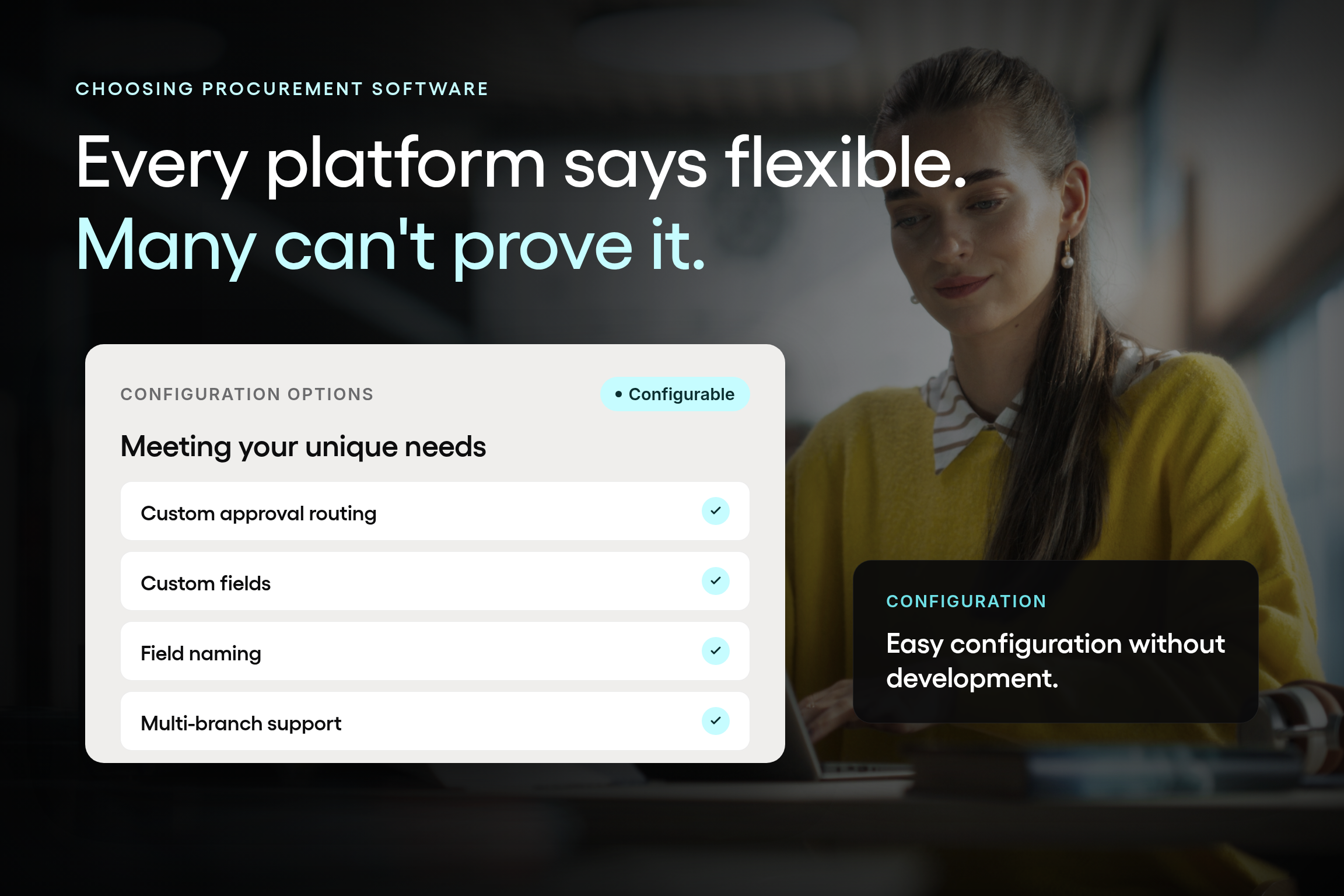
The construction industry will continue to face economic uncertainty, material volatility, and workforce constraints through 2026 and beyond. However, organizations equipped with procurement technology demonstrate greater resilience during market disruptions. Platforms delivering meaningful ROI share common characteristics: intuitive interfaces, flexible configuration, and seamless integration with existing systems.
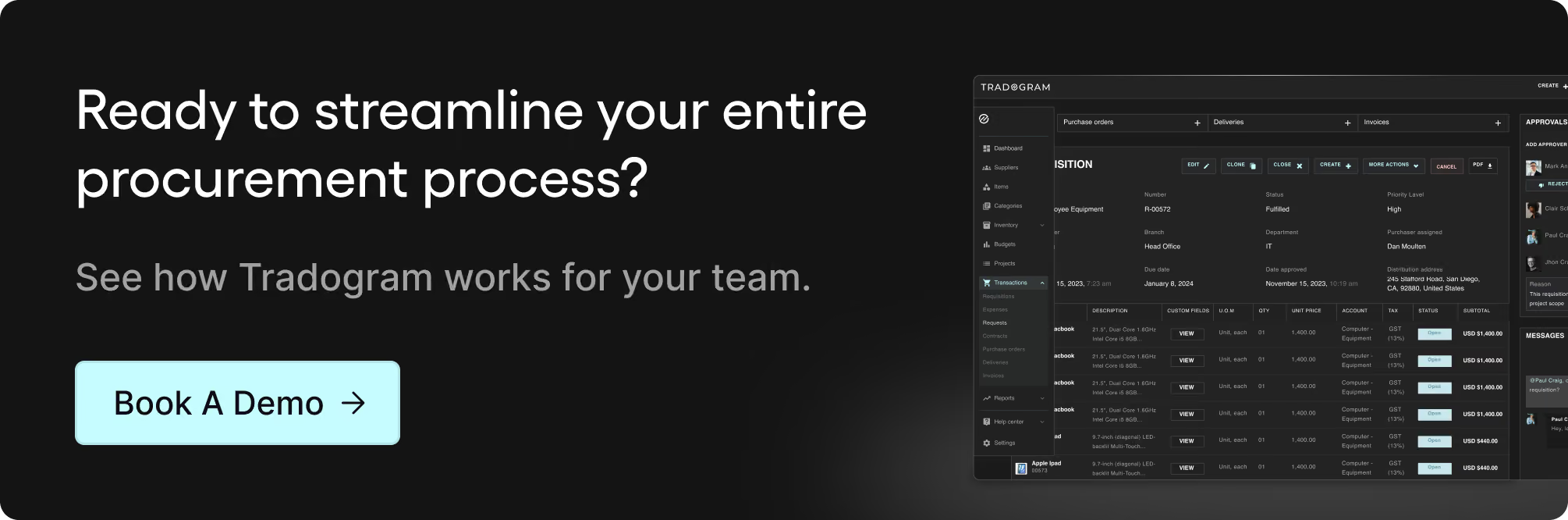
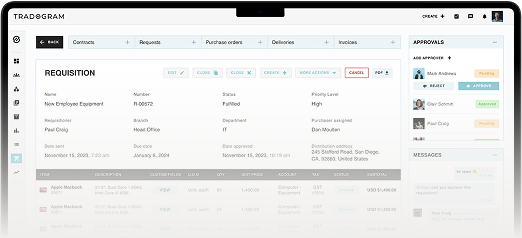
For construction companies evaluating procurement solutions, the question has shifted from "Should we digitize?" to "Which platform best fits our operational reality?" While we haven't reviewed specific solutions, Tradogram is an excellent tool for enhancing procurement visibility and control, offering a competitive edge to organizations that treat procurement as a strategic function rather than a transactional necessity.