
Public sector procurement delivers essential services, manages public resources, and supports public infrastructure development. However, it comes with its own set of unique challenges, such as complex regulations and budget constraints.
This article will explore everything you need to know about public sector procurement, from unique challenges to differences between private and public sectors. So, let’s dive into it.
What is Public Sector Procurement
Public sector procurement refers to the process by which government agencies and public organizations acquire goods, services, and works from external suppliers to meet the needs of the public and fulfill government objectives.
Differences Between Private and Public Sector Procurement
The main differences between private and public sector procurement are:
- Legal Requirements. Private sector procurement is Less regulated and focuses on profitability and market competition. Meanwhile, public sector procurement is highly regulated and must comply with strict laws, policies, and transparency standards.
- Cost Management. Private sector procurement prioritizes cost reduction to maximize profits, with flexibility in spending. On the other hand, public procurement strives for cost efficiency within tight budget constraints, with an emphasis on value for money.
- Technology Adoption. Private sector procurement involves faster adoption of innovative technologies to gain a competitive edge. At the same time, public sector procurement is much slower when it comes to the adoption of new technology.
Challenges in Public Sector Procurement
Public sector procurement comes with quite specific challenges, such as regulatory compliance, budget constraints, and transparency.
Regulatory Compliance and Bureaucracy
Strict regulations and complex procedures can slow down the procurement process, leading to inefficiencies and delays in decision-making.
Budget Constraints and Cost Efficiency
Tight budgets make it difficult to achieve cost efficiency in public sector procurement. Besides, in public sector procurement, the increased focus is on providing the best value for public funds, making optimizing it more difficult.
Supplier Selection and Contract Management
Choosing the right suppliers and managing contracts can also be quite challenging in public-sector procurement. This requires an increased need for fairness and transparency.
Transparency and Accountability Issues
Manual processes and slowness in adopting modern technology also result in challenges associated with a lack of transparency and accountability. Maintaining transparency is crucial yet difficult.
Delayed Decision-Making Processes
Public sector procurement involves multiple stakeholders and bureaucratic layers that can cause delays in decision-making, impacting project timelines. This challenge is especially prominent if there is a lack of well-equipped communication channels.
Risk Management and Fraud Prevention
Public sector procurement is vulnerable to fraud and requires rigorous risk management strategies to protect public funds. The increased need for risk management makes it challenging to navigate the aspect efficiently.
Skill Gaps and Workforce Challenges
A lack of skilled professionals in procurement roles can hinder efficiency and affect the quality of procurement decisions and outcomes. This becomes a huge challenge hindering efficiency.

Best Practices for Improving Public Sector Procurement Process
Let’s overview the best practices to improve the public sector procurement process.
Set Clear Policies
Establishing well-defined procurement policies ensures consistency, compliance, and transparency across all procurement activities. So, make sure to set these by doing the following:
- Involve key stakeholders in policy creation to address diverse procurement needs and ensure buy-in.
- Regularly review and update procurement policies to keep pace with evolving regulations and market conditions.
- Communicate policies effectively across departments to promote adherence and understanding.
Analyze Costs and Create Budgets
Effective cost analysis and budgeting ensure procurement decisions align with financial goals. For effective analysis, make sure to:
- Conduct thorough market research to gain insights into pricing trends and supplier options.
- Utilize historical data to forecast future procurement costs and allocate resources effectively.
- Implement procurement software like Tradogram to monitor expenses and streamline budget planning.
Streamline Decision Making
Optimizing decision-making processes helps reduce delays and ensures timely procurement that meets operational demands.
- Define clear approval hierarchies to eliminate bottlenecks and speed up decision-making.
- Leverage data-driven insights to make informed procurement choices based on performance and efficiency.
- Foster cross-department collaboration to facilitate quicker consensus on procurement decisions.
Improve Risk Management
Improving risk management and displaying a proactive approach toward IT will help you minimize procurement disruptions.
- Identify potential risks early by conducting supplier assessments and market analysis.
- Develop contingency plans to address procurement failures and unexpected disruptions.
- Leverage quality procurement risk management tools to track procurement risks and enhance compliance measures.
Train Employees
To achieve higher efficiency levels, train employees and show them how to navigate the new policies and leverage new technology to optimize efficiency.
- Offer regular training sessions on procurement regulations, compliance, and best practices.
- Utilize e-learning platforms and workshops to provide ongoing learning opportunities.
- Encourage cross-training to develop versatile skill sets within the procurement team.
Incorporate the Right Technology
Leveraging the right procurement technology helps streamline operations, improve transparency, and boost efficiency.
- Invest in cloud-based procurement platforms to facilitate real-time tracking and collaboration.
- Automate repetitive procurement tasks to reduce manual errors and improve workflow efficiency.
- Utilize solutions like Tradogram to integrate procurement data and enhance decision-making.
Improve Public Sector Procurement’s Efficiency with Tradogram
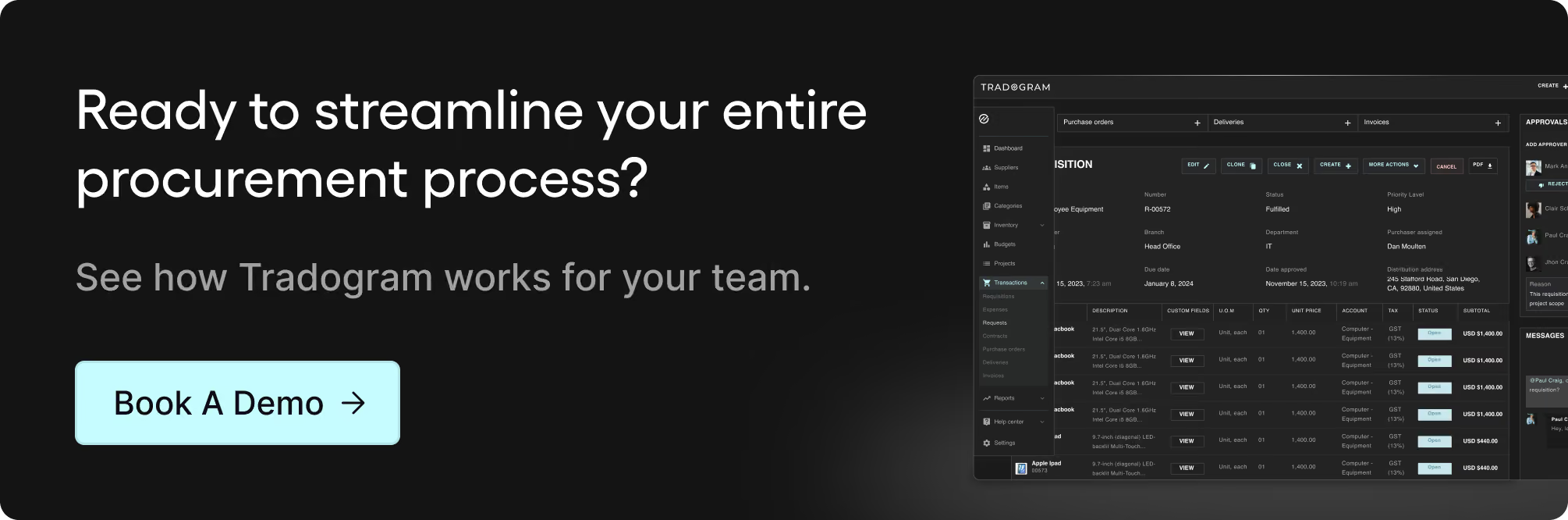
If you are looking for a quality procurement solution that will help you improve public sector procurement efficiency and cost savings, then you are in the right place. Program is an all-in-one procurement software that allows the automation of the purchasing process, tracking & analyzing procurement performance, and consistently improving ROI.
Contact us to learn more about what Tradogram offers and how it can help improve public sector procurement.