

In today’s dynamic business landscape, speed is one of the core pillars of success. However, speed without quality will not get you far. E-procurement solutions are transforming how organizations manage purchasing processes. With the right tools, you can reduce cycle times and increase ROI faster than with manual efforts.
This guide delves into e-procurement solutions, their benefits, and how to integrate them into your organization to streamline procurement processes.
What is E-Procurement?
E-procurement is the process of managing and automating purchasing activities. It streamlines the entire procurement lifecycle, from sourcing and supplier management to order processing and payment.
Benefits of E-Procurement
E-procurement is no longer just a trend; it’s a necessity for businesses aiming for growth and effective expansion. Its benefits include cost efficiency, streamlined processes, and more. Let’s explore each in detail:
Supplier Relationship Management
E-procurement tools provide detailed insights into supplier performance, enabling better collaboration and stronger partnerships. By identifying areas for improvement and facilitating real-time communication, these tools enhance trust and long-term relationships. They also simplify contract management, ensuring seamless operations.
Cost Savings and Efficiency
E-procurement tools reduce procurement expenses by automating repetitive tasks and minimizing paperwork. This saves time, resources, and money, allowing employees to focus on strategic business initiatives rather than administrative work.
Real-time Data and Analytics
Procurement software provides real-time insights into spending, supplier performance, and procurement trends. These analytics empower businesses to make data-driven decisions and identify opportunities for cost reduction and process improvement.
Streamlined Process
Centralized procurement systems simplify and automate workflows. Features like integrated supplier management, purchase orders, and approvals improve record-keeping and significantly reduce delays, ensuring consistent adherence to procurement policies.
Better Transparency
E-procurement solutions enhance transparency in the procurement process, improving accountability, reducing fraud risks, and ensuring compliance with organizational and regulatory standards.
Enhanced Scalability
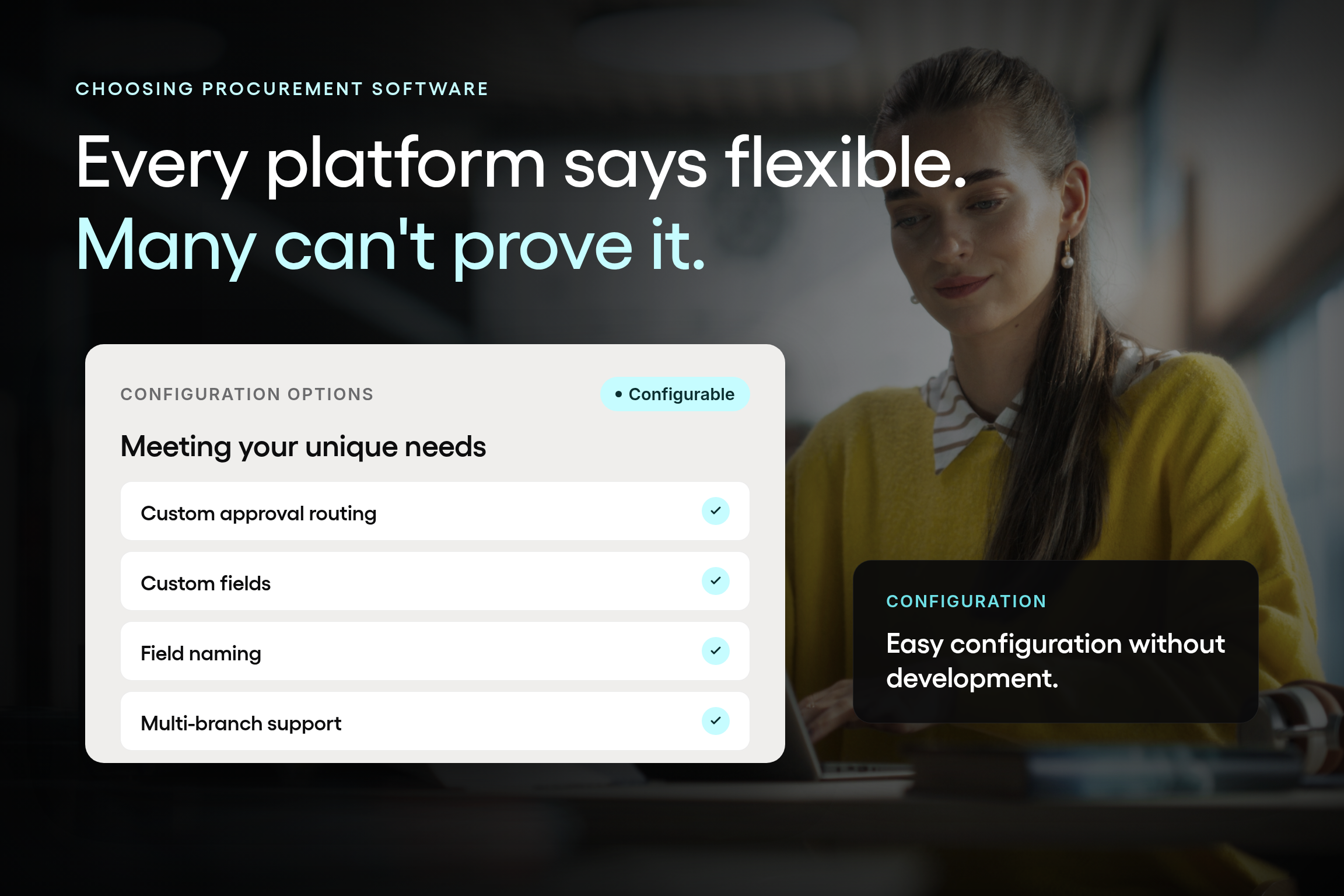
Designed to grow with your organization, e-procurement solutions can handle increased transaction volumes, adapt to changing business needs, and integrate seamlessly with other enterprise systems.
.jpeg)
How to Incorporate E-Procurement Solutions into Your Business
Assess Your Current Procurement Processes
Begin by evaluating your current procurement workflows:
- Identify bottlenecks and inefficiencies.
- Map out existing processes to uncover gaps and opportunities for automation.
- Consult with stakeholders to prioritize business needs.
Choose the Right E-procurement Platform
Select a platform that aligns with your goals, budget, and scalability requirements. Look for features like automation, analytics, and integration capabilities. Request demos or trials to evaluate usability and fit for your team.
Recommendation: Tradogram is a leading procurement management tool offering essential features for effective procurement management.
Automate Processes
Once you’ve chosen a platform, begin automating key processes:
- Identify repetitive tasks like creating orders or matching invoices.
- Use automated approvals and notifications to reduce manual intervention.
- Integrate the system with ERP or financial software for seamless data exchange.
Examples of Automation:
- Purchase Orders (POs): Automatically generate and send POs when inventory levels drop below a set threshold.
- Invoice Matching: Match supplier invoices with corresponding purchase orders and receipts.
- Approval Workflows: Streamline invoice processing and accelerate procurement cycles.
Onboard and Train Your Employees
Proper onboarding ensures smooth adoption:
- Provide hands-on training sessions and user guides.
- Assign roles and responsibilities to maintain accountability during implementation.
Monitor and Optimize
Continuously track performance metrics to measure the impact of the e-procurement system:
- Regularly track performance metrics to measure the impact of the e-procurement system.
- Gather feedback from users to identify challenges or additional needs.
- Continuously refine workflows and adjust system configurations to improve efficiency.
Optimize Procurement Process with Tradogram
If you’re seeking the right procurement solution to optimize processes and increase ROI, Tradogram is here to help. This robust, multi-level management procurement software offers:
- Advanced automation capabilities.
- Supplier sourcing and relationship management tools.
- Real-time analytics and spend analysis.
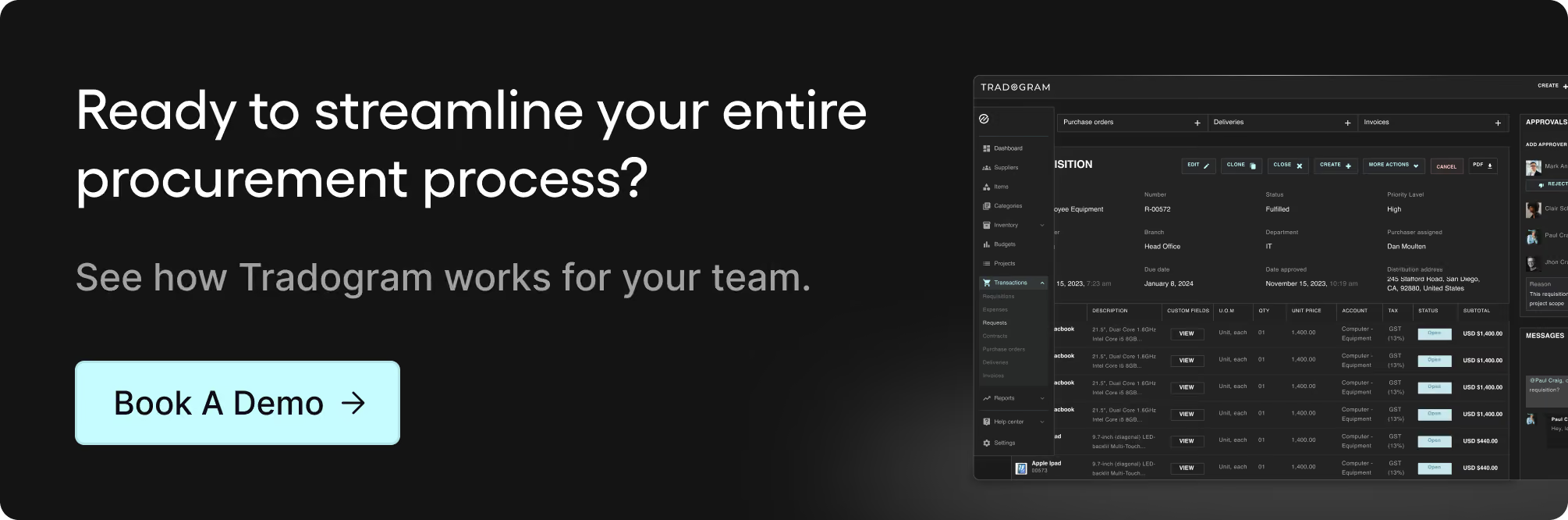
To learn more about how Tradogram can transform your procurement processes, schedule a free demo with us today. Our team is ready to answer your questions and guide you through the journey to streamlined e-procurement.