

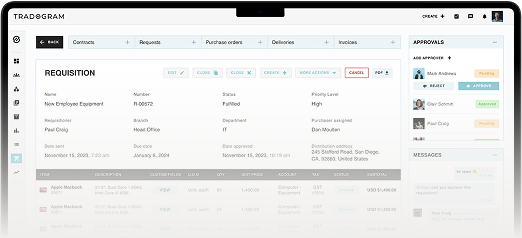
Simplifying multi-level procurement processes is crucial for enhancing efficiency and minimizing complexity in today’s fast-paced business environment. However, many organizations face challenges in finding the most effective way to streamline their procurement activities.
In this guide, we’ll cover everything you need to know about simplifying procurement processes, from understanding the basics to offering expert tips for optimizing and streamlining multi-level procurement. Let’s dive in.
What is a Procurement process?
Procurement is the structured process of acquiring the goods and services necessary for an organization to function. It involves identifying the organization's needs, sourcing suppliers, negotiating contracts, and managing deliveries. The goal is to ensure that products are sourced efficiently while maximizing cost savings.
Steps in the Procurement Process
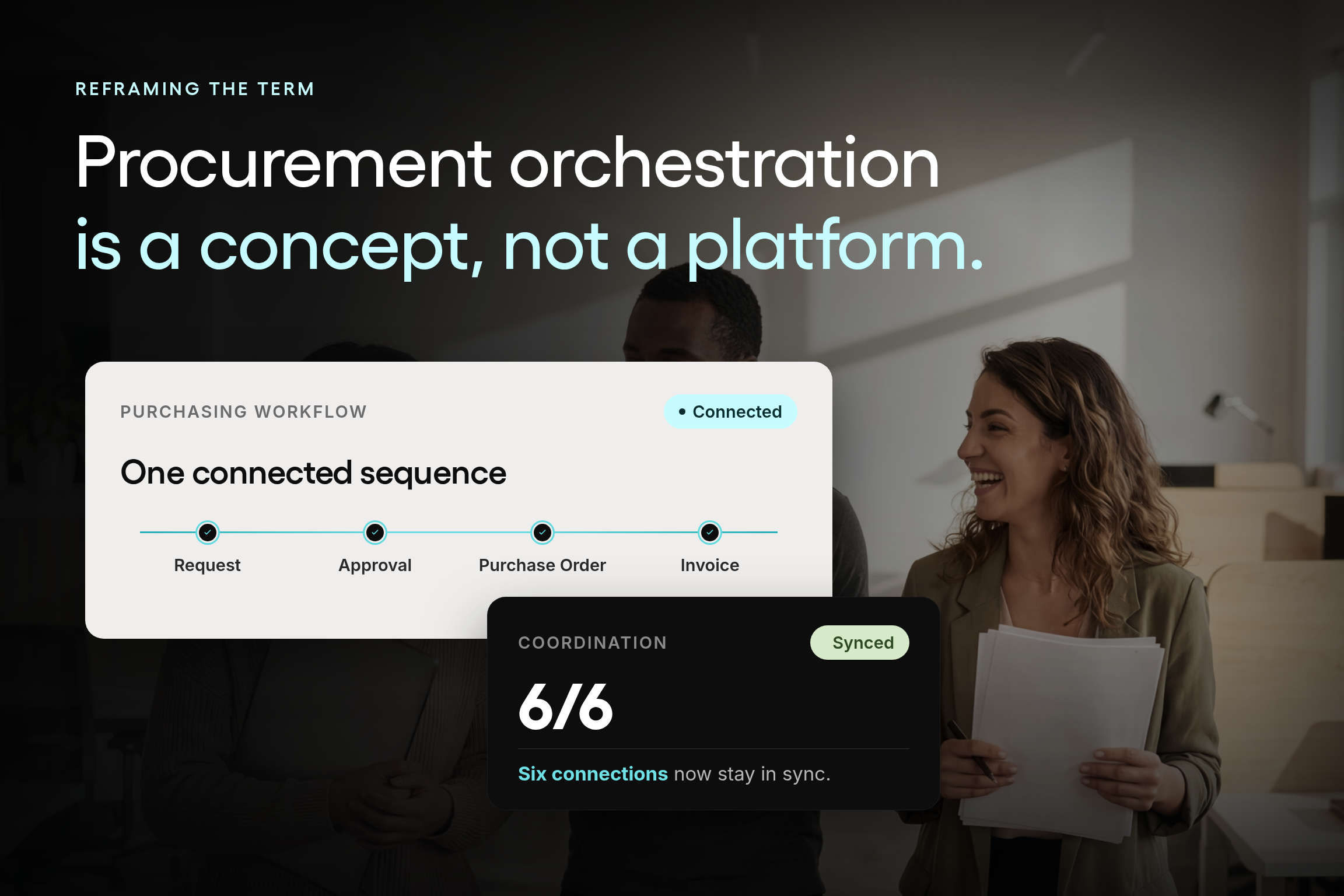
The procurement process involves several key steps, including purchase requests, requisition reviews, solicitation, evaluation, contract negotiations, order management, invoice matching & approvals, and record-keeping.
- Purchase Request: Identifying the need for goods or services, which can range from production materials to day-to-day office supplies.
- Requisition Review: The procurement team reviews requests to ensure they are accurate, necessary, and aligned with budget and organizational goals.
- Solicitation Process: Reaching out to suppliers for proposals, quotes, or bids, unless there is an existing contract with a supplier.
- Evaluation and Contract: Evaluating proposals based on cost, quality, and delivery timelines, followed by contract negotiations.
- Order Management: Issuing a purchase order to formalize the agreement and initiate the order process.
- Invoice Approvals: Reviewing and approving supplier invoices for payment according to the agreed terms after goods or services are delivered.
- Record Keeping: Storing all relevant documents for compliance, auditing, and future reference.
Managing the multi-level procurement process is vital for ensuring that all steps are completed accurately and on time.
How to Optimize Multi-Level Procurement Management
Let’s explore some practical steps and tips for optimizing multi-level procurement management.
Establish Clear Procurement Policies
Start by creating clear procurement policies, including regulatory requirements and internal guidelines. This will help streamline your monitoring and improve overall procurement efficiency.

Implement Centralized Procurement Systems
A centralized procurement system consolidates all procurement data in one place, making it easier to manage and access. Automating routine tasks with software like Tradogram can reduce errors and increase efficiency.To effectively implement a centralized system, you should:
- Consolidate all procurement data into one system for easier management.
- Automate repetitive tasks to reduce manual errors.
- Integrate procurement systems with other business software for seamless operations.
Standardize Procurement Processes
Standardizing procurement processes helps eliminate confusion and ensures consistency across all procurement activities. This can include:
- Creating standardized templates and forms.
- Establishing clear guidelines for vendor selection, bidding, and contract negotiation.
- Regularly reviewing processes to ensure alignment with best practices.
Leverage Data Analytics for Better Decision-Making
Leverage data analytics to support good decision-making.
- Collect and analyze procurement data to identify trends and forecast demand accurately.
- Use predictive analytics to optimize inventory levels and reduce stockouts.
- Implement dashboards to monitor key procurement metrics and provide actionable insights.
Enhance Supplier Relationship Management
Strong supplier relationships are key to a successful procurement process. To improve supplier relationships:
- Foster open communication with suppliers to ensure transparency and collaboration.
- Conduct regular performance reviews and feedback sessions.
- Build long-term partnerships by offering loyalty incentives or consistent business.
Focus on Training and Development
Employee training is essential when implementing new policies or technologies. Ensure your procurement team is well-equipped to handle the latest tools and processes.
- Provide ongoing training on new technologies and best practices.
- Encourage knowledge sharing through workshops and seminars.
- Set up mentorship programs to develop leadership skills within the procurement team.
- Encourage knowledge sharing through workshops and internal seminars.
- Set up mentorship programs to develop leadership skills within the procurement department.
Utilize Technology for Real-Time Tracking
Technology plays a critical role in improving visibility and managing multi-level procurement. Real-time tracking tools can help you monitor orders, shipments, and deliveries.
- Implement real-time tracking tools to stay on top of order progress.
- Use mobile apps and cloud-based platforms to track procurement activities from anywhere.
- Set up automated alerts to notify stakeholders of any delays or issues during the procurement process.
Purchasing software for organizations with subsidiaries under one parent company
A parent company overseeing several subsidiaries faces a specific version of the multi-level procurement problem: headquarters needs one consolidated view of spend, while each subsidiary needs the authority to approve its own purchases, manage its own suppliers, and operate within its own budget. Purchasing software built for a single-entity company usually forces a choice between the two. Either every subsidiary funnels requests through one central approval chain that ignores local supplier relationships and regional rules, or each subsidiary runs its own disconnected system and the parent company loses visibility until month-end.
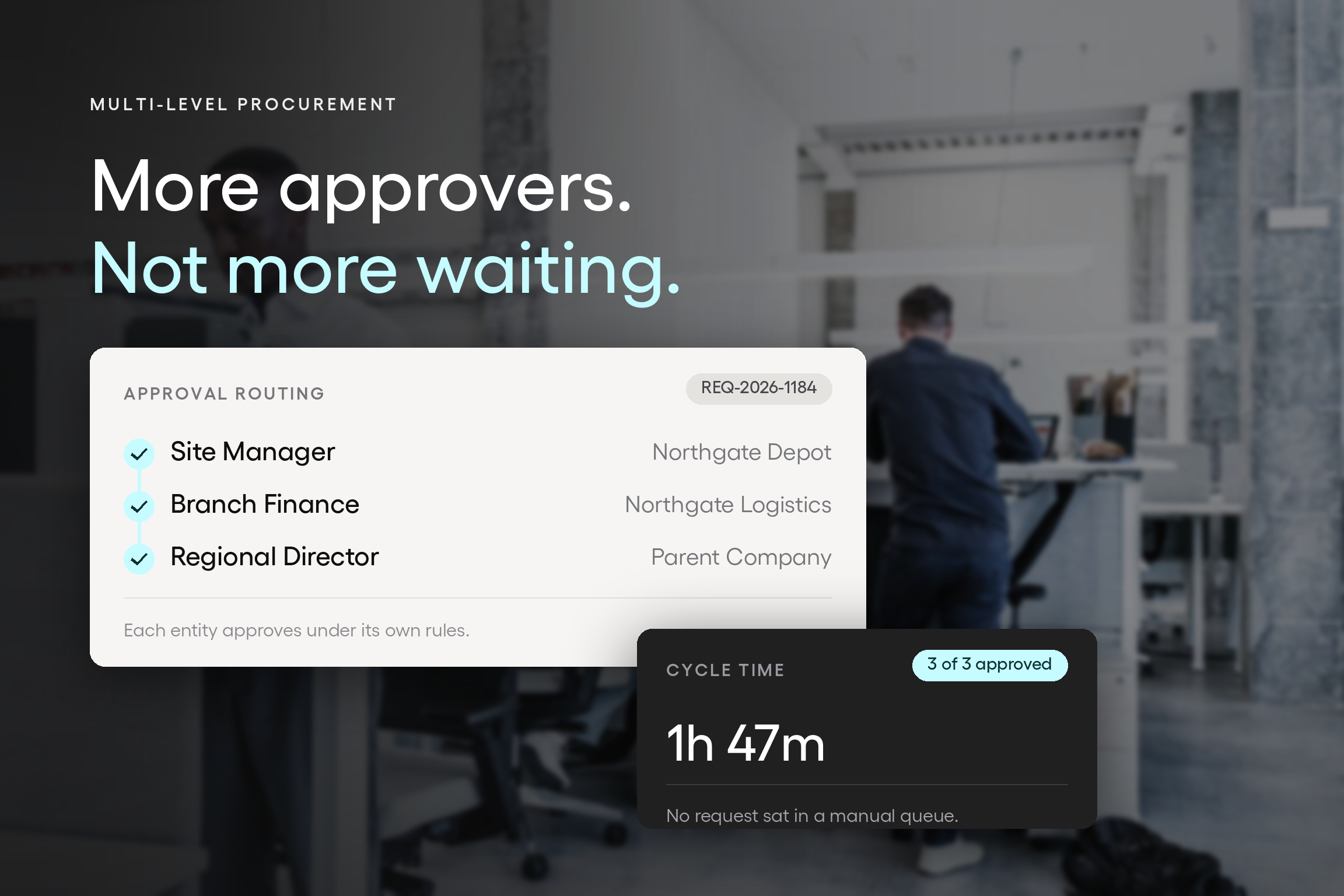
The purchasing software that fits this structure needs a few specific capabilities: approval hierarchies and spend thresholds that can be configured separately for each subsidiary or legal entity, budgets tracked at the entity level rather than pooled into one company-wide number, permissions that keep one subsidiary's requesters and approvers from seeing another's purchasing data, and reporting that rolls individual entities up into a single view without forcing them onto identical workflows.
Tradogram supports multilevel and hierarchical control across branches, sites, and entities, so a parent company can configure different approval rules, budgets, and permissions for each subsidiary inside one shared system rather than maintaining separate platforms. Reed Global, a multi-branch staffing organization, used this kind of entity-level configuration, including price, category, and location rules, to give different branches different approval requirements while still reporting through one shared system, and reported completing a full approval cycle in under two hours.
This structure matters most for organizations where subsidiaries operate with real independence: different suppliers, different budgets, different local rules, rather than organizations where "subsidiary" is mostly a legal or tax designation and purchasing already runs through one shared process. In that second case, standard centralized purchasing configuration is usually enough.
Simplify Multi-Level Procurement Management with Tradogram
If you’re looking for a comprehensive software solution to enhance and simplify multi-level procurement management, Tradogram is the perfect choice. Tradogram is a multi-level procurement management system designed to optimize procurement processes through automation. The platform offers a range of features, including:
- Automation of procurement tasks
- Real-time data tracking tools
- Analytics for better decision-making
- Centralized vendor management
- Inventory management
- Supplier relationship management tools
Take your procurement management to the next level with Tradogram. Contact us to learn more about how our platform can help streamline your procurement processes and improve efficiency. Our team is here to assist you!