%2520(1200%2520x%2520400%2520px)%2520(1).png)


Strong procurement teams drive business success, but the skills required are evolving.
From data-driven decision-making to supplier collaboration, professionals must adapt to stay competitive. This article explores the key skills procurement specialists need to develop for the future.
Importance of Hiring the Right Talent in Procurement
Hiring the right talent in procurement is essential for driving efficiency, cost savings, and strategic decision-making. Skilled professionals ensure that procurement operations align with business goals and adapt to evolving market challenges. Here’s why selecting the right team members matters:
- Experienced procurement professionals can negotiate better supplier contracts, leading to cost savings and stronger partnerships.
- A well-rounded team enhances risk management by identifying potential supply chain disruptions and implementing proactive solutions.
- Procurement specialists with strong analytical skills improve decision-making through data-driven insights optimizing purchasing strategies.
What Skills to Look for When Hiring PProcurementTeam
Building a strong procurement team requires professionals with a mix of technical expertise, strategic thinking, and adaptability. The right skills ensure smooth operations, cost efficiency, and long-term supplier relationships. Here are seven key skills to prioritize when hiring:
Negotiation Skills
Effective procurement professionals must excel in negotiation to secure the best terms, pricing, and contract conditions. Strong negotiators create win-win situations that benefit both the organization and suppliers while ensuring long-term value.
Data Analysis and Decision-Making
Procurement teams rely on data to optimize purchasing strategies, manage costs, and forecast demand. Candidates with strong analytical skills can interpret market trends, supplier performance, and spending patterns to make informed decisions.
Supplier Relationship Management
A skilled procurement professional understands how to build and maintain strong supplier relationships. Effective supplier management leads to better collaboration, improved service levels, and access to competitive pricing and innovation.
Risk Management and Problem-Solving
Supply chain disruptions, market volatility, and compliance issues are common challenges in procurement. Professionals with strong risk management skills can identify potential threats, develop contingency plans, and resolve issues before they escalate.
Communication and Stakeholder Collaboration
Procurement teams work closely with internal departments, suppliers, and external partners. Strong communication skills help professionals align procurement goals with business objectives, resolve conflicts, and ensure seamless team collaboration.
Cost Optimization and Financial Acumen
Understanding budgets, cost structures, and financial planning is crucial for procurement success. Professionals with financial acumen can identify cost-saving opportunities, assess the total cost of ownership, and ensure procurement decisions align with the company financial goals.
Adaptability and Technology Proficiency
With evolving procurement technologies and digital tools, professionals must be comfortable using procurement software, automation, and analytics platforms. Adaptability ensures teams can leverage the latest innovations to streamline processes and enhance efficiency.
How to Attract Top Talent to Your Procurement Team
The success of your procurement team depends on hiring professionals with the right skills and expertise. However, attracting top talent requires more than just posting a job listing—it involves creating an appealing work environment, offering competitive benefits, and showcasing growth opportunities. Here’s how to position your company as a top choice for procurement professionals.
Build a Strong Employer Brand
Top candidates seek companies that align with their values and career goals. A strong employer brand helps you stand out in a competitive job market.
- Highlight company culture, values, and mission in job postings and on your website.
- Share employee testimonials and success stories to showcase career growth opportunities.
- Maintain an active presence on LinkedIn and industry forums to engage with procurement professionals.
Offer Competitive Compensation and Benefits
Attractive salaries and benefits packages are key factors in securing top procurement talent. Ensure your offerings align with industry standards.
- Conduct market research to offer competitive salaries and performance-based incentives.
- Provide benefits such as health insurance, retirement plans, and professional development budgets.
- Offer work-life balance perks, including remote work options and flexible schedules.
Emphasize Career Growth and Development
Ambitious professionals look for roles that support their long-term career progression. Demonstrating growth opportunities can make your company more appealing.
- Provide structured training programs, certifications, and mentorship opportunities.
- Offer clear career progression paths, outlining how employees can advance in their roles.
- Encourage participation in procurement conferences and networking events to expand industry knowledge.
Leverage Technology to Enhance Work Efficiency
Top procurement professionals want to work in an environment that embraces innovation. Modern tools can improve efficiency and make roles more attractive.
- Implement procurement software and automation tools to reduce manual tasks.
- Train employees on digital procurement trends to keep them ahead of industry changes.
- Highlight how your company invests in cutting-edge technology to support procurement teams.
Create an Engaging and Inclusive Work Environment
A positive workplace culture fosters collaboration, innovation, and employee satisfaction, making your company a desirable place to work.
- Promote diversity and inclusion by fostering a culture of respect and equal opportunities.
- Encourage team collaboration through regular meetings, open communication, and knowledge sharing.
- Recognize and reward employee contributions to boost morale and retention.
Improve Procurement Team Efficiency and Productivity with Tradogram
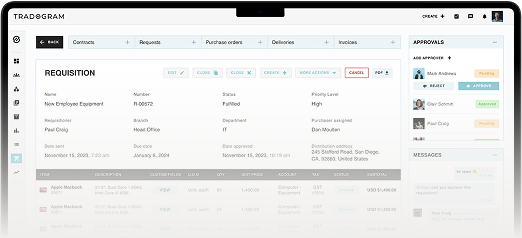
Enhancing procurement skills is key to future success, but the right tools also make a difference. Improve your procurement team's efficiency and productivity with Tradogram’s procurement management system. It offers everything you need, from supplier tracking and management to communication and spend control tools.
Most importantly, the robust automation capabilities and advanced approval workflows will help your team streamline procurement processes and focus on strategic business initiatives. Contact us to learn more about what we have to offer and how we can help you grow.