


What are notes used for on the bottom of the inventory stock level screen?
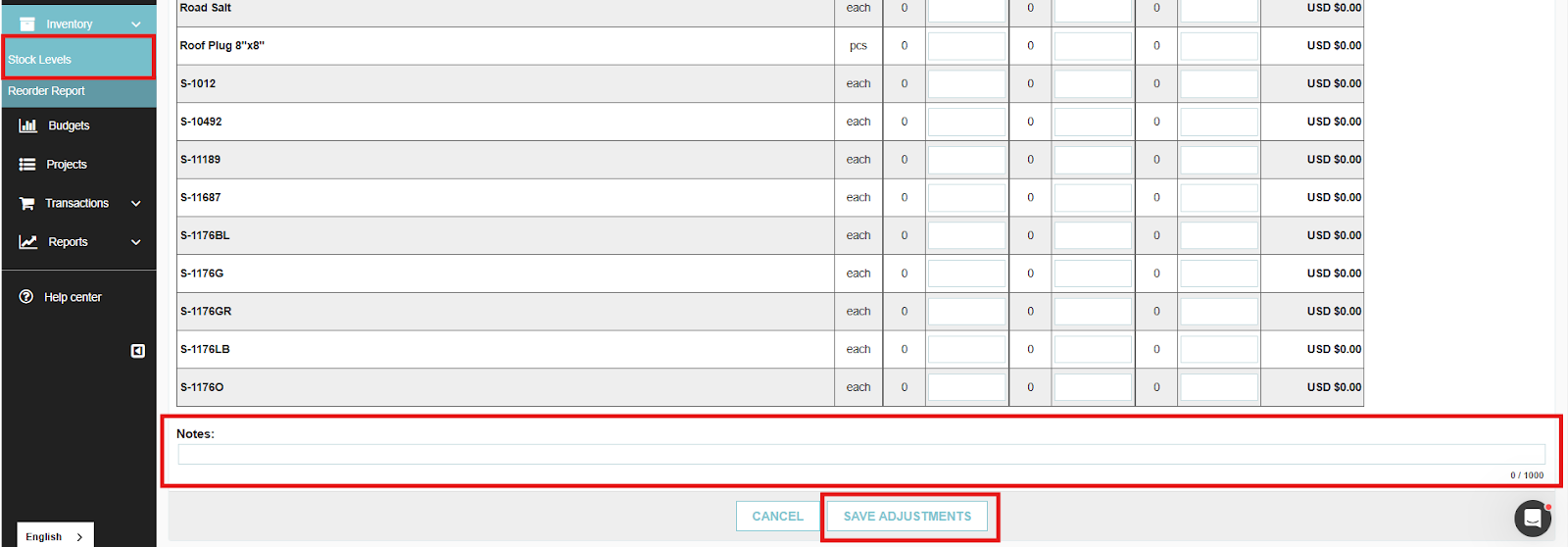
The Notes field at the bottom of the Inventory Stock Level screen is designed for documentation and accountability. It allows you to provide context for any manual changes made to your stock quantities—such as explaining why items were removed or documenting a physical count discrepancy.
How it Works
When you update quantities in the inventory table, the note you type at the bottom acts as a "reason code" for those changes:
- Adjust Quantities: Enter your stock increases or decreases in the table.
- Add Context: Type a brief explanation in the Notes box at the bottom (e.g., "Damaged during move," "Quarterly physical count," or "Restocked from office supply run").
- Save: Click the Save Adjustments button.
- Automatic Logging: Tradogram instantly attaches that note to every item you adjusted in that session and saves it to the permanent inventory history.
Where to Review the Notes
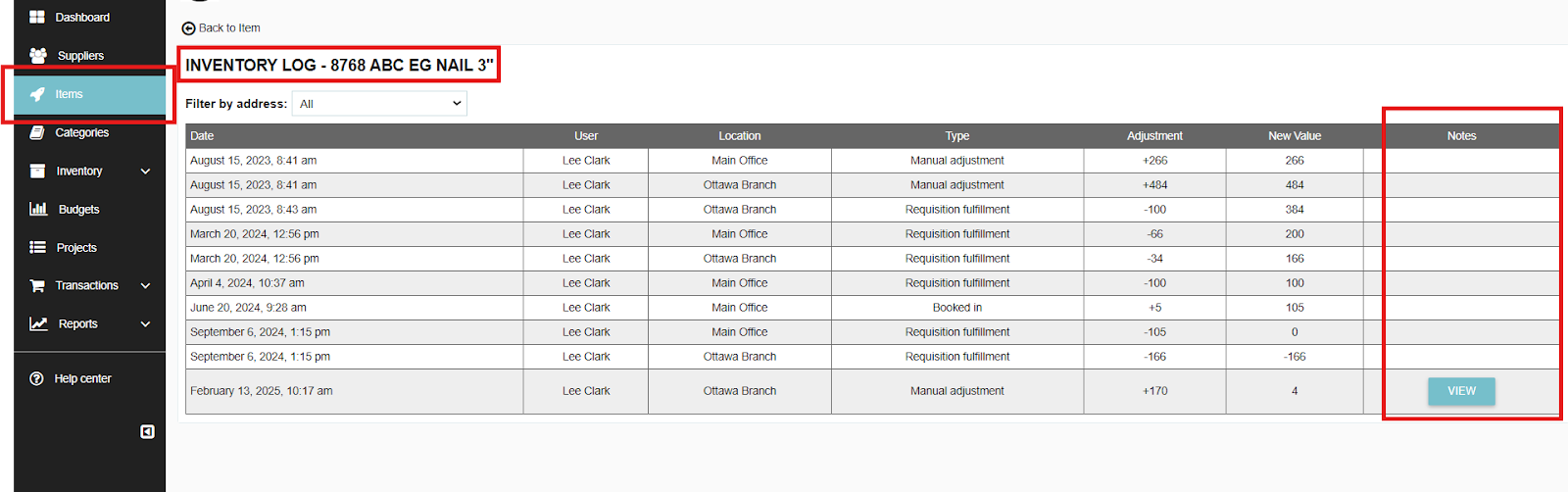
Because these notes are stored in the Inventory Log, they create a transparent audit trail. To see them:
- Navigate to a specific Stock Item.
- Click on the View Inventory Log button.
- You will see a timestamped record of the change, the user who made it, the quantity shift, and the Note you provided.
Why use the Notes field?
- Audit Readiness: If an auditor asks why 50 units disappeared in June, the note provides the answer instantly.
- Reduced Shrinkage: When team members know they must provide a reason for removing stock, it encourages better inventory discipline.
Team Communication: If multiple people manage the same stockroom, notes keep everyone informed about why levels were adjusted.
Thank you! Your submission has been received!
Oops! Something went wrong while submitting the form.
.webp)
.png)


