

Feature FAQ
What is the due date section on a purchase order used for?
On a Purchase Order (PO), the due date follows the same logic as a requisition: it serves as an internal reminder and tracking tool to manage the order's lifecycle within your team.
On a Purchase Order (PO), the due date follows the same logic as a requisition: it serves as an internal reminder and tracking tool to manage the order's lifecycle within your team.

Key Functions of the PO Due Date
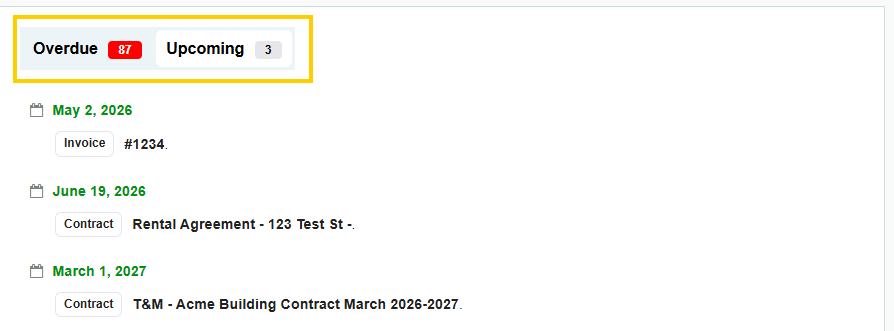
- Dashboard Prioritization: The due date determines which POs appear in the "Upcoming" or "Overdue" sections of your main Tradogram dashboard. This helps purchasing staff and receivers prioritize which orders need following up.
- Internal Timeline Management: It is used to track the required timeframe for the involved parties, such as when the goods are expected to be received or when the purchasing process should be finalized.
- Automated Alerts: If the creator has enabled email notifications in their profile settings, they will receive an alert when the PO reaches its due date.
Important Considerations
- Internal Field Only: Like requisitions, the due date on a PO is an internal-only field. It is meant for your team's coordination and is never sent to or visible by the supplier.
- Optional Entry: This is not a required field. You can leave it blank if the order does not have a specific internal deadline.
- Distinction from Delivery Date: It is important to distinguish this from the "Delivery Date" (if applicable), which is the date communicated to the supplier for when the goods should arrive.